Why Uganda Is a Top Destination for Gorilla Trekking in Africa.

Golden Monkey Trekking in Rwanda.
July 27, 2026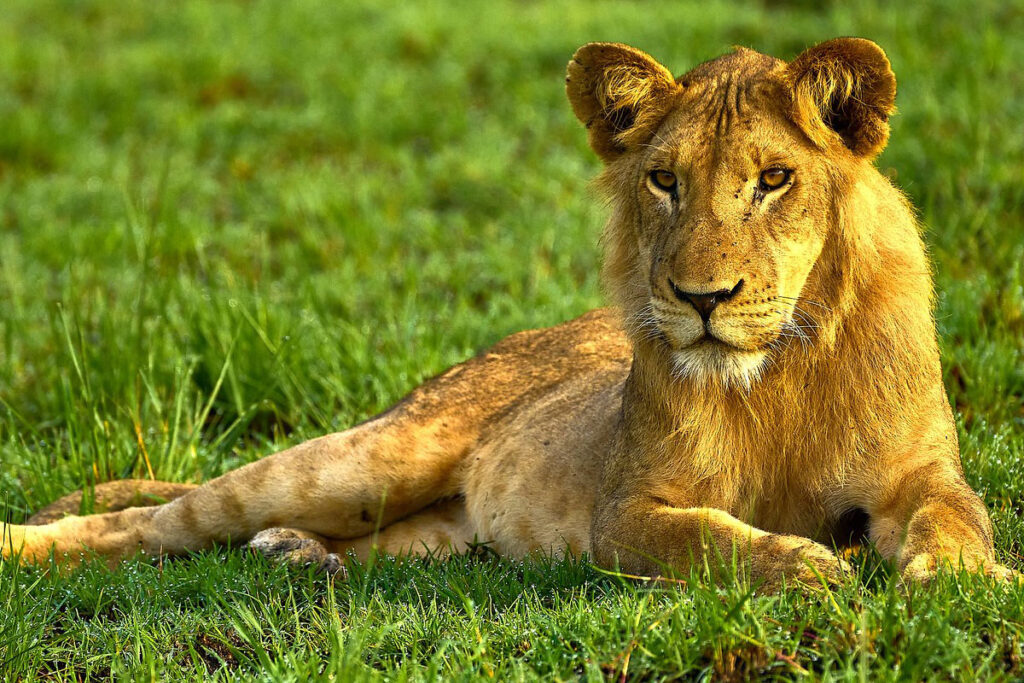
Why Uganda Is a Top Destination for Gorilla Trekking in Africa
Uganda is one of the best destinations for gorilla trekking in Africa. With its misty mountain forests, diverse wildlife and remarkable conservation story, the country offers travelers a rare opportunity to see endangered mountain gorillas in their natural habitat.
For many visitors, the experience goes beyond wildlife viewing. Trekking through the ancient forests of southwestern Uganda creates a deeper connection with nature while supporting gorilla conservation and local communities.
Uganda is home to a significant population of mountain gorillas, mainly protected in Bwindi Impenetrable National Park and Mgahinga Gorilla National Park. These parks offer different landscapes and trekking experiences, making Uganda an excellent choice for travelers looking for an authentic African adventure.
1. Uganda Is Home to Mountain Gorillas
One of the biggest reasons Uganda stands out is its population of mountain gorillas.
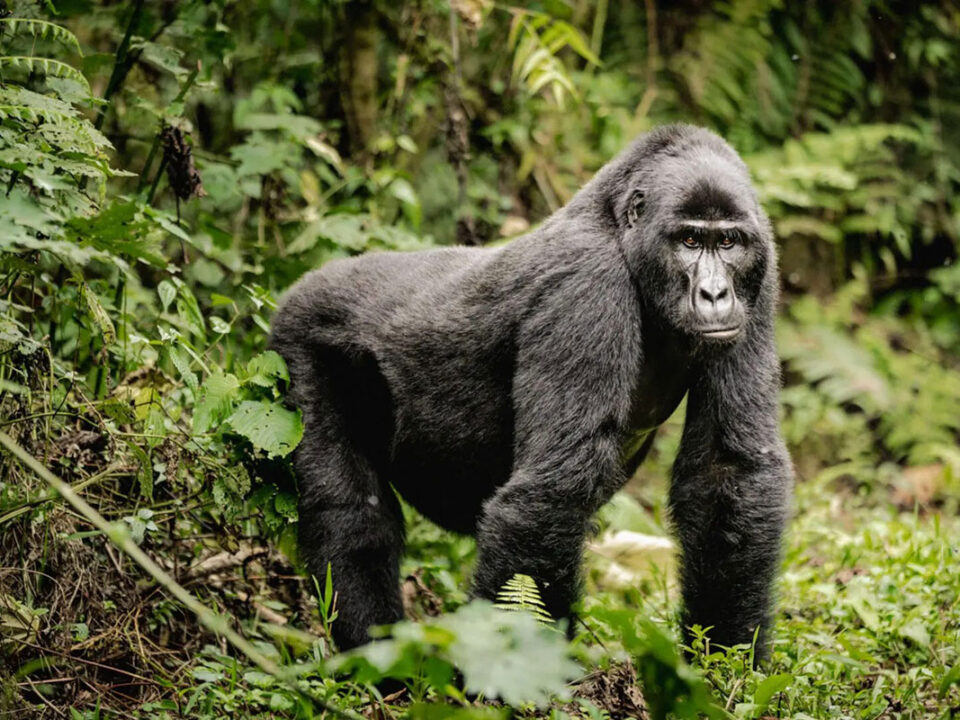
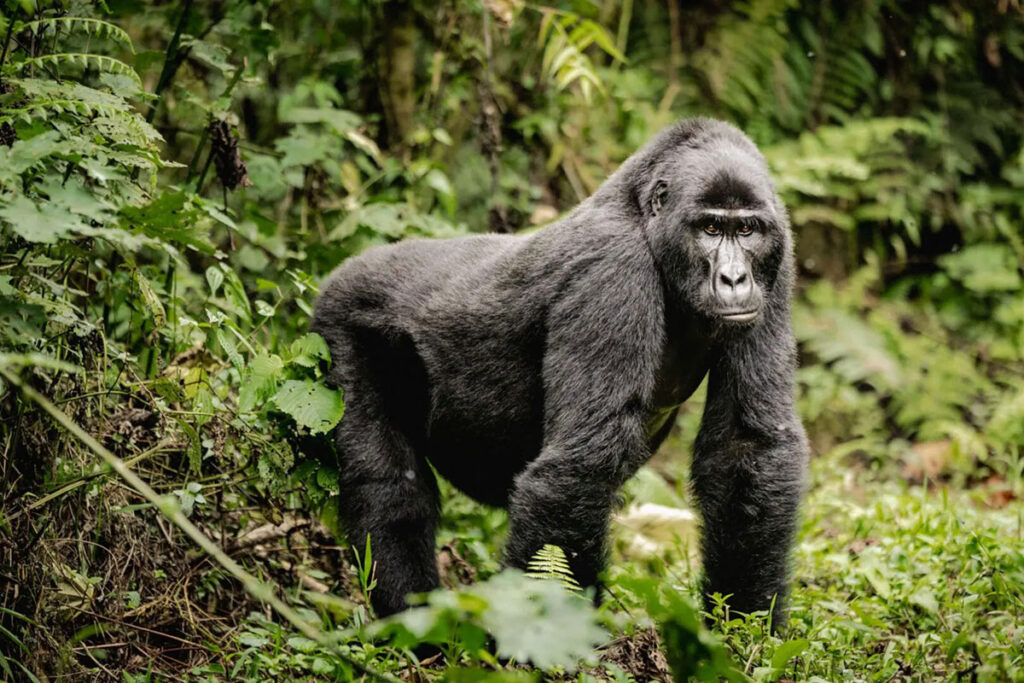
Mountain gorillas are critically endangered and survive only in the forests of Uganda, Rwanda and the Democratic Republic of Congo. Uganda protects these incredible primates in Bwindi and Mgahinga.
Bwindi is particularly famous for its large gorilla population and several trekking sectors. These include Buhoma, Ruhija, Rushaga and Nkuringo. Each sector has its own landscape, trails and gorilla families, Mgahinga, meanwhile, offers a more intimate trekking experience within the spectacular Virunga Mountains.
Therefore, travelers have several opportunities to experience mountain gorillas while exploring different parts of Uganda.
2. Bwindi Offers a Truly Wild Gorilla Trekking Experience
Bwindi Impenetrable National Park is perhaps Uganda’s most famous gorilla trekking destination.
The name itself reflects the character of the forest. Bwindi is dense, ancient and beautifully wild. Its steep slopes are covered with thick vegetation, creating a challenging but rewarding environment for trekking.
As you move through the forest, you may hear birds calling from the canopy or spot other forest species along the trail. Then, after hours of searching, the moment arrives when you finally encounter a mountain gorilla family.
That first sight of a gorilla emerging through the vegetation is difficult to describe. Their expressive eyes, powerful presence and surprisingly gentle behavior create a lasting memory.
3. Uganda Has Two Gorilla Trekking Destinations
Another advantage is that Uganda offers two national parks where visitors can trek mountain gorillas.
Bwindi Impenetrable National Park.
Bwindi provides the largest range of trekking options. Its four main sectors allow travelers to choose an area based on their itinerary and preferred experience.
Buhoma is located in the northern part of the park and is one of the most established trekking areas.
Ruhija is located in the eastern part of Bwindi and is especially attractive to travelers interested in combining gorilla trekking with bird watching.
Rushaga in southern Bwindi offers access to several habituated gorilla families and is also known for the Gorilla Habituation Experience.
Nkuringo is known for steep terrain and impressive views across the forest and surrounding mountains.
Mgahinga Gorilla National Park.
Mgahinga is Uganda’s smallest national park but offers an extraordinary setting.
The park protects part of the Virunga Mountains and is home to mountain gorillas as well as golden monkeys.
The dramatic volcanic scenery adds another dimension to the trekking experience. On clear days, visitors can appreciate the impressive peaks surrounding the forest.
Consequently, travelers who want gorillas combined with volcanic landscapes may find Mgahinga particularly appealing.
4. Uganda Offers More Affordable Gorilla Trekking
Cost is another important reason why Uganda attracts travelers.
Compared with some other gorilla trekking destinations in the region, Uganda can offer a more affordable overall experience, particularly when accommodation and safari packages are considered.
For the 2026–2027 period, Uganda’s gorilla trekking permit is priced at:
- USD 800 for foreign non-residents
- USD 700 for foreign residents
- USD 500 for East African citizens
The permit allows visitors to participate in a guided gorilla trek and spend regulated viewing time with their assigned gorilla family.
However, the permit is only part of the total cost. Travelers should also budget for transportation, accommodation, meals, guide services and other activities.
For visitors comparing gorilla trekking in Uganda and Rwanda, the overall safari budget can make Uganda particularly attractive.
5. Uganda Offers the Gorilla Habituation Experience
Uganda also provides a special opportunity for travelers who want more time with mountain gorillas.
The Gorilla Habituation Experience takes place in the southern sector of Bwindi. It allows visitors to spend considerably more time observing gorillas under the guidance of researchers, trackers and park staff.
Instead of the standard one-hour gorilla viewing experience, habituation participants can spend several hours with the gorilla group.
This experience provides a deeper insight into gorilla behavior, family interactions and conservation research.
As a result, Uganda is especially appealing to photographers, wildlife enthusiasts and travelers who want a more immersive gorilla experience.
6. Uganda Combines Gorilla Trekking With Classic Safari
A major advantage of choosing Uganda is the ability to combine gorilla trekking with traditional wildlife safaris.
Uganda is home to several remarkable national parks. Therefore, visitors can create an itinerary that includes both primates and classic African wildlife.
For example, a traveler can combine gorilla trekking in Bwindi with Queen Elizabeth National Park.
After the forest experience, you can explore savannah landscapes where lions, elephants, buffaloes, hippos and other wildlife can be seen.
You can also add a boat safari on the Kazinga Channel, which is famous for its concentration of hippos, crocodiles and water birds.
Alternatively, travelers can visit Kibale Forest National Park for chimpanzee trekking before continuing to Bwindi.
This combination makes Uganda ideal for travelers who want more than a single wildlife encounter.
7. Uganda Is a Great Destination for Primate Lovers
Gorillas are only part of Uganda’s incredible primate experience.
The country is often described as one of Africa’s best destinations for primate enthusiasts because visitors can encounter several species during the same trip.
Kibale Forest is famous for chimpanzee trekking. Bwindi and Mgahinga offer mountain gorillas and golden monkeys. Other forests and parks also provide opportunities to encounter different monkey species.
Therefore, a Uganda safari can provide an impressive combination of primate experiences.
For travelers who love wildlife photography and forest adventures, this variety is a major advantage.
8. Uganda Has Stunning Natural Landscapes
Gorilla trekking in Uganda is not only about the gorillas.
The journey through the forest is an experience in itself.
Bwindi’s steep hills and thick vegetation create a dramatic environment. Meanwhile, Mgahinga’s volcanic peaks provide spectacular scenery.
The surrounding communities also add character to the journey. As you travel through southwestern Uganda, you will encounter green hills, farmland and rural settlements.
Consequently, a gorilla safari in Uganda combines wildlife, landscapes and culture in one memorable experience.
9. Gorilla Trekking Supports Conservation
Tourism plays an important role in mountain gorilla conservation.
Gorilla trekking permits and tourism activities generate revenue that supports protected areas, conservation programs and local communities.
The presence of tourism also creates economic incentives for protecting gorilla habitats.
Moreover, local people can benefit through employment, guiding, accommodation, transport and community tourism projects.
By choosing responsible gorilla trekking, travelers can therefore contribute to the long-term protection of mountain gorillas and their forest habitat.
10. Uganda Offers Authentic Cultural Experiences
A gorilla trekking trip can also introduce travelers to the cultures surrounding Bwindi and Mgahinga.
Visitors can participate in community walks, cultural performances, traditional craft experiences and encounters with local communities.
In the Bwindi region, travelers may also learn about the Batwa people’s historical connection with the forest.
These experiences add cultural depth to a gorilla safari. Instead of simply visiting a national park, you gain a better understanding of the people and communities living around the protected areas.
11. Uganda Has Excellent Safari Extensions
Another reason Uganda is a top gorilla trekking destination is the variety of activities available after the trek.
You can extend your trip to destinations such as:
- Queen Elizabeth National Park
- Kibale Forest National Park
- Murchison Falls National Park
- Lake Mburo National Park
- Kidepo Valley National Park
- Rwenzori Mountains National Park
Each destination offers a different experience.
For example, Murchison Falls provides spectacular waterfalls and savannah wildlife, while Kidepo offers remote landscapes and exceptional wildlife viewing.
This flexibility allows travelers to create a personalized Uganda safari rather than following a single fixed itinerary.
12. When Is the Best Time for Gorilla Trekking in Uganda?
Uganda’s gorilla trekking can be enjoyed throughout the year. However, the June to August and December to February periods are generally popular because they tend to have drier conditions.
The forest can still receive rain during these months, so travelers should always prepare for changing weather.
The green seasons can also be rewarding. Rain brings lush vegetation and beautiful scenery, while some lodges may offer lower rates during quieter periods.
Ultimately, the best time depends on your priorities, budget and flexibility.
13. What Should You Pack for Gorilla Trekking?
Proper preparation can make your trek more comfortable.
Essential items include:
- Waterproof hiking boots
- Long trousers
- Long-sleeved shirts
- Waterproof jacket
- Gardening gloves
- Lightweight backpack
- Insect repellent
- Hat
- Reusable water bottle
- Camera
- Extra batteries or power bank
- Energy snacks
Because the forest can be wet and muddy, good footwear is particularly important.
You should also be physically prepared. Gorilla trekking can involve several hours of hiking across steep and uneven terrain.
Is Uganda the Best Place for Gorilla Trekking in Africa?
There is no single destination that is perfect for every traveler. However, Uganda offers a powerful combination of affordability, gorilla trekking options, diverse wildlife, cultural experiences and conservation opportunities.
The ability to combine gorilla trekking with chimpanzee trekking and traditional wildlife safaris makes Uganda especially attractive.
Furthermore, Bwindi and Mgahinga offer different landscapes and trekking experiences. Whether you want a classic gorilla trek or a longer habituation experience, Uganda provides strong options.
Plan Your Gorilla Trekking Safari With Bamba Safaris
A successful gorilla trekking trip requires careful planning. Gorilla permits are limited, accommodation can fill quickly during popular seasons and transportation between destinations needs to be arranged properly.
Bamba Safaris can help you organize your Uganda gorilla trekking adventure, from permit booking and accommodation to transportation and additional safari activities.
Whether you are planning a short 3-day gorilla trekking safari in Bwindi or a longer Uganda wildlife adventure, a well-designed itinerary can help you make the most of your time and budget.
Final Thoughts
Uganda deserves its reputation as one of Africa’s leading gorilla trekking destinations.
From the ancient forests of Bwindi to the volcanic landscapes of Mgahinga, the country offers unforgettable opportunities to encounter mountain gorillas in the wild.
More importantly, the experience connects wildlife tourism with conservation and community development.
For travelers seeking an authentic African adventure, Uganda offers much more than gorilla trekking. You can combine the experience with chimpanzee trekking, classic game drives, boat safaris, cultural encounters and mountain adventures.
Ultimately, gorilla trekking in Uganda is not simply a wildlife activity. It is an opportunity to enter one of Africa’s most remarkable forests, encounter one of its rarest animals and become part of a conservation story that deserves to continue for generations.