
Nyungwe Forest National Park
Nyungwe Forest National Park
Deep in the green highlands of southwestern Rwanda lies Nyungwe Forest National Park, one of the most captivating and biologically diverse tropical rainforests in all of Africa. Spanning more than 1,000 square kilometers, Nyungwe is a lush, untouched sanctuary filled with misty hills, ancient trees, winding trails, and a symphony of birdsong that follows you wherever you go. It’s a place where nature feels truly alive—wild, serene, and full of wonder.
What makes Nyungwe so special isn’t just its beauty, but its incredible richness in wildlife. The forest is home to 13 different species of primates, including large troops of Angola colobus monkeys and our closest relatives, chimpanzees, which can be tracked in the early morning hours as they swing through the treetops.
Whether you’re a seasoned trekker or a curious first-time traveler, the opportunity to walk alongside these intelligent creatures in their natural habitat is nothing short of unforgettable.
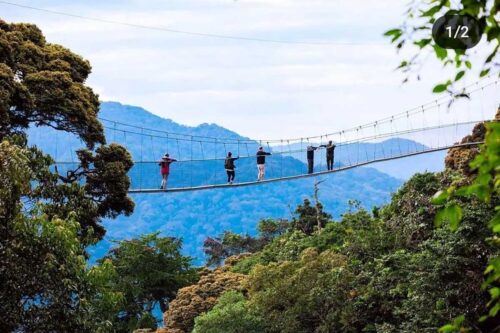
Nyungwe is also a paradise for birdwatchers, boasting more than 300 bird species, many endemic to the Albertine Rift. For adventure seekers, the park’s famous canopy walkway offers breathtaking views above the forest.
This ancient rainforest plays an important ecological role in Rwanda as a major water catchment area and carbon sink. But beyond science and conservation, Nyungwe is simply a place to slow down, breathe deeply, and reconnect with nature.
Nyungwe Forest National Park Safaris
Explore our Nyungwe Forest National Park safaris featuring chimpanzee trekking, canopy walks, guided forest hikes, and rich biodiversity. You can also choose packages where the Nyungwe experience is added to a wider Rwanda safari, offering a perfect blend of primate encounters, nature and scenic landscapes.


Chimpanzee Tracking in Nyungwe Forest
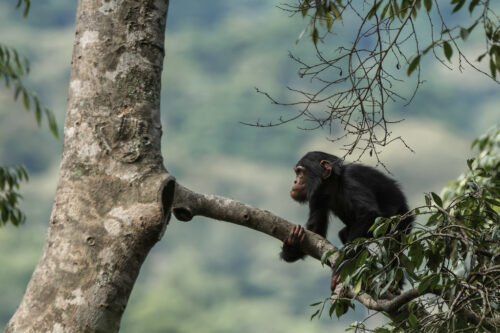
One of the most unforgettable experiences in Nyungwe Forest National Park is chimpanzee tracking. With around 400 chimpanzees living in the forest, Nyungwe offers the best chimp tracking experience in Rwanda.
Two chimpanzee groups are habituated for visitors:
- Uwinka sector
- Cyamudongo forest patch
Tracking usually begins very early in the morning—often around 4:00 AM—when chimpanzees are most active. Guided by experienced trackers, you will follow signs such as calls, broken branches, and fresh nests deep into the rainforest.
Once the chimps are located, visitors spend time watching them:
- Feeding in the treetops
- Grooming one another
- Playing and interacting
The experience is incredibly rewarding and offers a rare glimpse into the social lives of our closest relatives.
Permit Information:
- Chimpanzee tracking permit: $100
- Park entrance fee: $100
- Minimum age: 15 years
Monkey Tracking in Nyungwe Forest
Nyungwe Forest is also home to one of the most diverse primate populations in Africa. During forest walks or hikes you may encounter several monkey species.
Commonly seen primates include:
- Angola colobus monkeys
- L’Hoest’s monkeys
- Red-tailed monkeys
- Vervet monkeys
- Silver monkeys
- Olive baboons
- Grey-cheeked mangabeys
- Hamlyn’s monkey
These species make Nyungwe a dream destination for primate enthusiasts.
Canopy Walk and Forest Hiking Trails
Nyungwe offers a network of scenic hiking trails that allow visitors to explore the rainforest on foot.
Canopy Walkway
The famous canopy walkway starts near the Uwinka Visitor Center and crosses a suspension bridge about 45 meters above the forest floor. It provides breathtaking views of the rainforest canopy and opportunities to spot birds and monkeys from above.
Popular Hiking Trails
- Igishigishigi Trail – short and ideal for beginners
- Bigugu Trail – 5–6 hour hike to the highest point in the park
- Waterfall Trail – leads to a hidden waterfall deep in the forest
Each trail offers unique scenery including giant tree ferns, orchids, waterfalls, and incredible wildlife sightings.
Birdwatching in Nyungwe Forest
Nyungwe is one of the top birding destinations in Africa. With more than 300 bird species, including 27 Albertine Rift endemics, the park attracts birdwatchers from around the world.
Notable bird species include:
- Rwenzori turaco
- Blue turaco
- Archer’s robin-chat
- Handsome francolin
- Yellow-eyed black flycatcher
Guided birding walks are available through the Rwanda Development Board and cost approximately $50 per person.
Biking the Congo Nile Trail
For adventurous travelers, the Congo Nile Trail offers a unique way to experience the landscapes around Nyungwe.
This scenic cycling route runs along the forest edge and through Rwanda’s countryside, offering views of:
- Tea plantations
- Lake Kivu
- Rural villages
- Forest wildlife
Cyclists typically camp along the trail and enjoy a multi-day adventure exploring Rwanda’s landscapes.
Best Time to Visit Nyungwe Forest National Park
The best time to visit Nyungwe Forest National Park is during Rwanda’s dry seasons:
- Late June to early September
- December to February
These months offer better hiking conditions, clearer views, and excellent opportunities for chimpanzee tracking and birdwatching.
The wet seasons also have advantages:
- March to May
- October to mid-December
During these months the forest becomes lush and vibrant, and visitor numbers are lower.
Getting to Nyungwe Forest National Park
Nyungwe is located about 225 kilometers southwest of Kigali, and the journey takes approximately 4–5 hours by road.
By Road
Most travelers reach Nyungwe by hiring a private vehicle and driver. The scenic drive passes tea plantations, rolling hills, and rural villages.
Budget travelers can also take buses from Kigali to nearby towns such as:
- Rusizi
- Gisakura
By Air
For a quicker option, travelers can fly from Kigali to Kamembe Airport near Cyangugu, which is about a 30-minute drive from the park.
Many lodges in the area arrange airport transfers for guests.
Getting Around the Park
Once inside the park, a 4×4 vehicle is recommended, especially when traveling to tracking starting points such as the Uwinka Reception Center. Forest roads can be steep and slippery, particularly during rainy months.
Whether arriving by road or air, the journey to Nyungwe offers some of Rwanda’s most spectacular scenery and sets the stage for a truly unforgettable rainforest adventure.