Exploring Nearby Attractions Around Fort Portal.

Experience the Majestic Rwenzori Mountains National Park.
June 27, 2026
Where to Stay Near Kibale Forest National Park.
July 12, 2026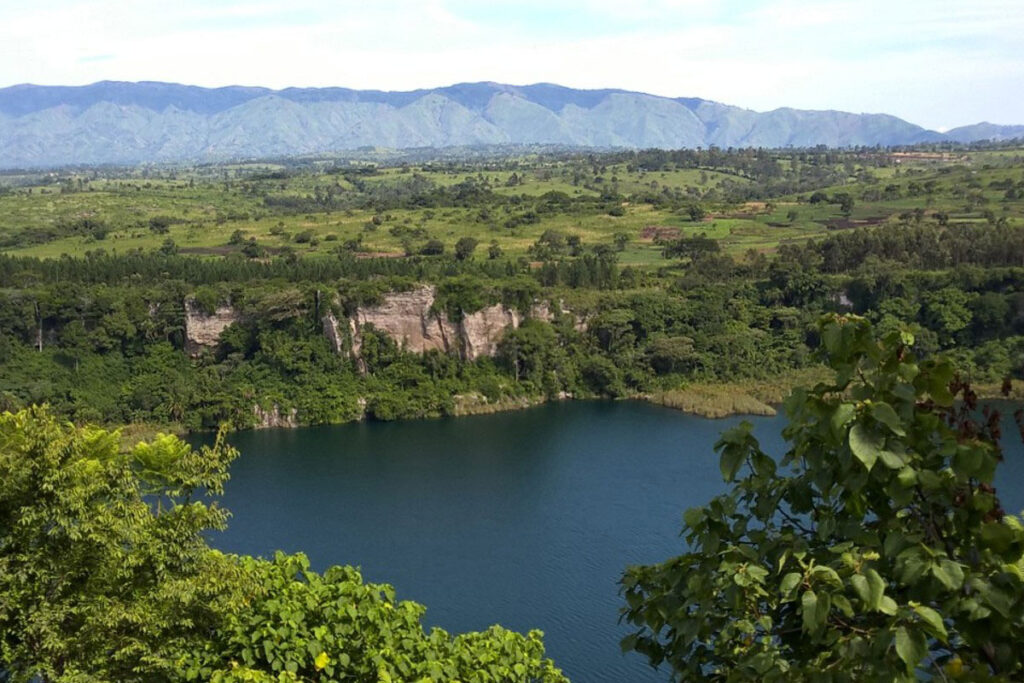
Exploring the Best Nearby Attractions Around Fort Portal.
Overview
Fort Portal is more than just a gateway to western Uganda’s famous national parks, It’s a destination that deserves a place on every travel itinerary. Surrounded by emerald tea plantations, ancient crater lakes, lush rainforests, and the snow capped peaks of the Rwenzori Mountains, this charming city offers an incredible mix of adventure, wildlife, culture, and breathtaking scenery.
While many visitors arrive in Fort Portal for chimpanzee trekking in Kibale National Park, they soon discover that the region has much more to offer. Within a short drive, you can explore volcanic landscapes, wander through tropical forests, visit centuries-old cultural sites, relax beside peaceful crater lakes, or watch hundreds of colorful bird species in their natural habitats.
Whether you’re planning a wildlife safari, a photography expedition, a cultural getaway, or simply looking to experience one of Uganda’s most scenic regions, Fort Portal provides countless opportunities to create unforgettable memories. Its central location also makes it the perfect base for exploring several of Uganda’s most iconic attractions without spending long hours on the road.
Why Fort Portal Should Be on Your Uganda Travel Itinerary.
Often referred to as Uganda’s tourism capital, Fort Portal sits approximately 300 kilometers west of Kampala in the heart of the Tooro Kingdom. The city enjoys a pleasant climate throughout the year, thanks to its high elevation, making it a refreshing destination compared to many other parts of the country.
What truly sets Fort Portal apart, however, is the diversity of experiences that surround it. Within a relatively small area, travelers can encounter endangered primates, hike through tropical rainforests, admire volcanic crater lakes, explore mountain landscapes, learn about Uganda’s rich cultural heritage, and visit thriving community tourism projects.
Unlike destinations that focus on a single attraction, Fort Portal offers something new around every corner. One day you could be tracking chimpanzees through an ancient forest, while the next might find you sipping freshly brewed tea overlooking rolling green hills or discovering fascinating local legends inside centuries-old caves.
For travelers seeking a destination that combines wildlife, culture, and spectacular scenery, Fort Portal is difficult to beat.
Kibale National Park-Uganda’s Primate Paradise
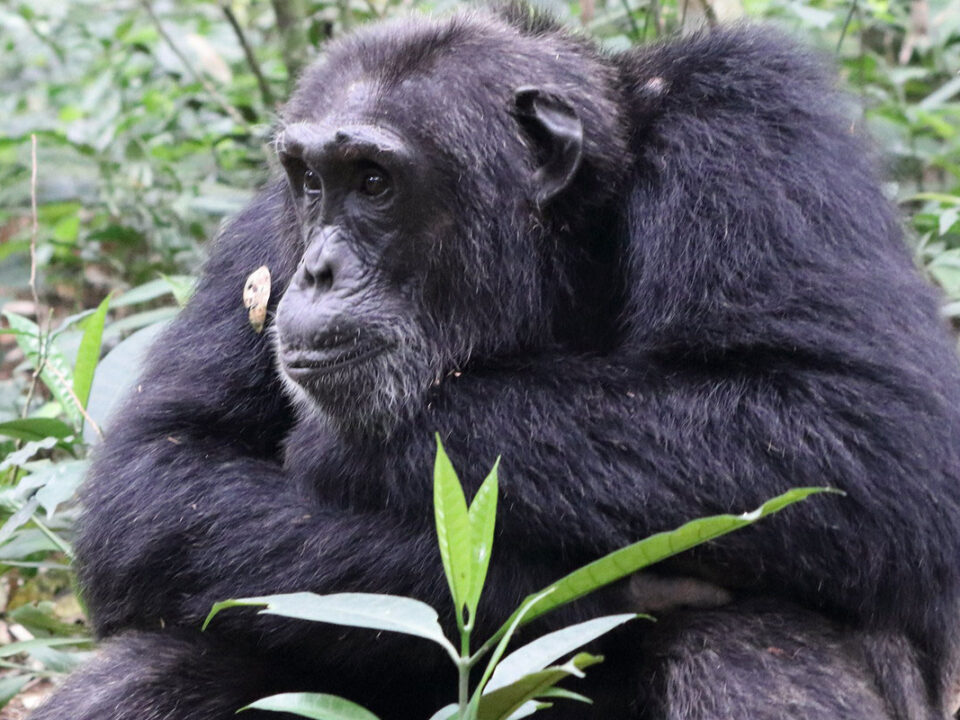
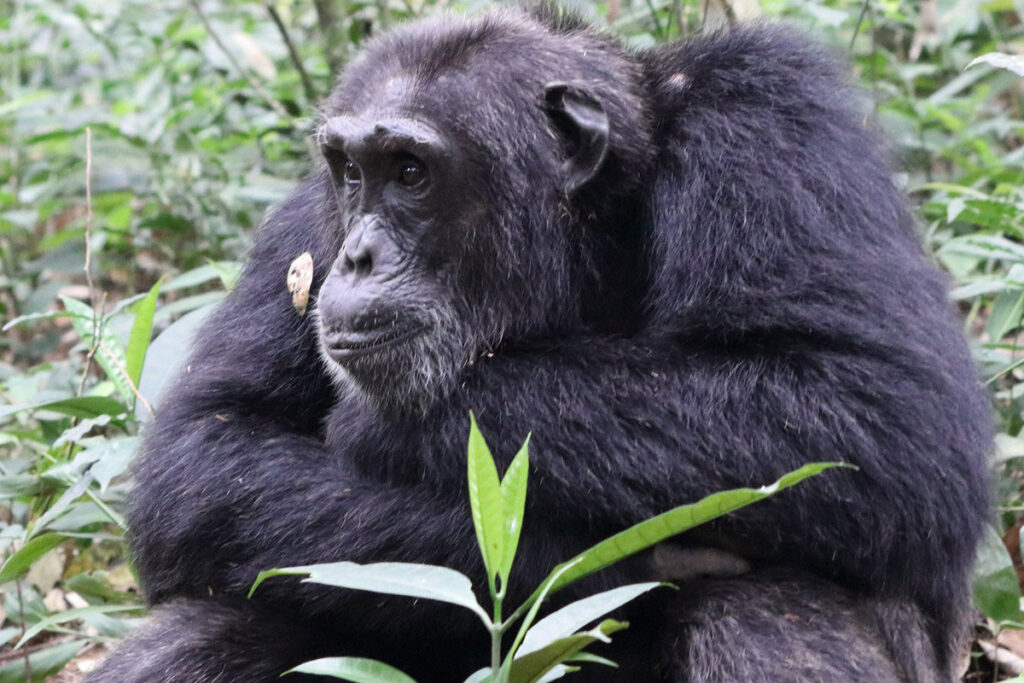
No visit to Fort Portal is complete without exploring Kibale National Park, one of Africa’s most celebrated rainforest destinations. Located just 26 kilometers from the city, Kibale is internationally recognized as the best place in Uganda to see wild chimpanzees.
Home to more than 1,500 chimpanzees and 13 species of primates, the park offers an extraordinary opportunity to observe some of humanity’s closest relatives in their natural environment. Walking beneath the towering trees while listening to birdsong and distant chimpanzee calls creates an experience that feels both exciting and deeply immersive.
Chimpanzee trekking remains the park’s biggest attraction. Accompanied by experienced guides and trackers, visitors venture into the forest in search of habituated chimpanzee communities. Once found, you’ll spend an unforgettable hour watching these intelligent primates feed, groom, communicate, and interact with one another.
For those who want a more in-depth experience, the Chimpanzee Habituation Experience allows visitors to spend several hours alongside researchers and conservationists as they follow chimpanzees throughout their daily routines. It’s an excellent option for wildlife enthusiasts, photographers, and anyone interested in learning more about primate behavior.
Beyond chimpanzees, Kibale National Park is a biodiversity hotspot. Forest walks often reveal black-and-white colobus monkeys, red-tailed monkeys, blue monkeys, grey-cheeked mangabeys, colorful butterflies, and hundreds of bird species. Whether you’re passionate about wildlife or simply enjoy being surrounded by nature, Kibale never disappoints.
Discover the Bigodi Wetland Sanctuary.
Just outside Kibale National Park lies one of western Uganda’s greatest conservation success stories the Bigodi Wetland Sanctuary. This community managed wetland proves that tourism can benefit both nature and local communities while offering visitors an exceptional wildlife experience.
Unlike the dense rainforest of Kibale, Bigodi features a peaceful network of boardwalks and nature trails that wind through papyrus swamps, forest patches, and wetland habitats. Guided walks provide excellent opportunities to spot wildlife at a slower, more relaxed pace.
Several monkey species call the sanctuary home, including red-tailed monkeys, black-and-white colobus monkeys, blue monkeys, and vervet monkeys. Birdwatchers are equally rewarded, with more than 200 bird species recorded in the area. Among the highlights is the spectacular Great Blue Turaco, one of Uganda’s most recognizable birds.
What makes Bigodi especially rewarding is its community-based approach to tourism. Local guides share fascinating insights into traditional medicinal plants, conservation efforts, and everyday life in the surrounding villages. By visiting the sanctuary, travelers also contribute directly to community development projects that support education, healthcare, and environmental conservation.
For anyone looking to combine wildlife encounters with meaningful cultural experiences, Bigodi Wetland Sanctuary is well worth adding to the itinerary.
Explore the Scenic Crater Lakes Region.
Few landscapes in Uganda rival the beauty of the crater lakes surrounding Fort Portal. Formed thousands of years ago by ancient volcanic activity, these picturesque lakes are scattered across rolling hills blanketed with forests, farmland, and tea plantations.
Driving through the region feels like stepping into a postcard. Every bend in the road reveals another shimmering lake framed by lush greenery and distant mountain views. It’s a peaceful contrast to the excitement of wildlife safaris and one of the best places in western Uganda to slow down and appreciate the scenery.
Among the most popular lakes is Lake Nkuruba, a tranquil crater lake surrounded by tropical forest. Visitors can enjoy guided nature walks, birdwatching, swimming, camping, or simply relaxing beside the water while taking in the stunning surroundings. The forest around the lake is also home to several monkey species, making every walk an opportunity for unexpected wildlife encounters.
Other crater lakes, including Lake Nyinambuga, Lake Saka, and Lake Kifuruka, each offer their own unique charm. Scenic viewpoints overlooking these volcanic lakes have become favorite spots for photographers, especially during sunrise and sunset when the landscape is bathed in golden light.
Whether you’re hiking through the hills, enjoying a picnic, or capturing breathtaking photographs, the crater lakes provide an unforgettable glimpse into western Uganda’s remarkable natural beauty.
Step Into History at Amabere ga Nyina Mwiru Caves.
A short drive from Fort Portal brings you to one of Uganda’s most intriguing cultural and geological landmarks the Amabere ga Nyina Mwiru Caves. The name translates to “Breasts of Nyina Mwiru,” a reference to a legendary Tooro Kingdom story that has been passed down through generations. According to local folklore, Princess Nyina Mwiru suffered a tragic fate after defying her father’s wishes, and the limestone formations inside the cave are believed to symbolize her story.
Beyond the fascinating legend, the site is a natural wonder in its own right. Water slowly dripping through limestone over thousands of years has created impressive rock formations that continue to grow today. Nearby waterfalls, dense vegetation, and scenic walking trails add even more beauty to the experience.
Visiting the caves offers a unique blend of history, culture, and nature, making it one of the most rewarding excursions around Fort Portal. Whether you’re interested in local traditions or geological formations, this remarkable site provides a memorable insight into Uganda’s rich heritage.