
Experience the Majestic Rwenzori Mountains National Park.

Top Things to Do in Kibale National Park.
June 27, 2026
Exploring Nearby Attractions Around Fort Portal.
June 27, 2026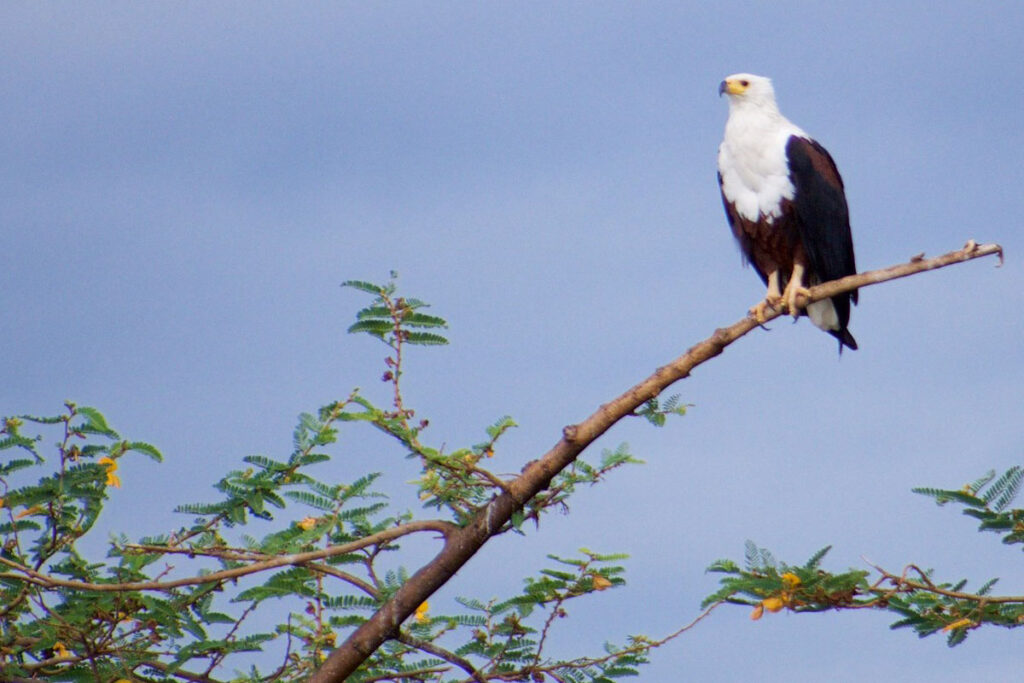
Experience the Majestic Rwenzori Mountains National Park.
Towering over western Uganda, the Rwenzori Mountains create a spectacular backdrop to Fort Portal and are among the region’s most iconic natural landmarks. Often referred to as the “Mountains of the Moon,” this UNESCO World Heritage Site is famous for its rugged peaks, alpine vegetation, glaciers, and breathtaking landscapes.
While experienced hikers travel from around the world to conquer the multi-day trekking routes leading to Margherita Peak, you don’t have to be an expert mountaineer to appreciate the beauty of the Rwenzoris. Several shorter hiking trails allow visitors to experience the lower slopes, where dense forests, cascading rivers, and unique plant species create an unforgettable setting.
The scenery changes dramatically as you climb higher, revealing giant heather trees, bamboo forests, moss covered rocks, and panoramic viewpoints overlooking western Uganda. Wildlife enthusiasts may also spot colorful birds, monkeys, and other forest creatures along the trails.
For adventure lovers and photographers alike, the Rwenzori Mountains offer an entirely different side of Uganda one defined by dramatic landscapes, fresh mountain air, and peaceful surroundings.
Visit Semuliki National Park and the Sempaya Hot Springs
If you’re looking to venture beyond the rainforest landscapes of Kibale, Semuliki National Park offers an experience unlike anywhere else in Uganda.
Located west of Fort Portal near the border with the Democratic Republic of Congo, this lowland tropical rainforest is home to an extraordinary variety of wildlife, birds, and plant species more commonly associated with Central Africa. The change in scenery is immediately noticeable, giving visitors the feeling of stepping into a completely different ecosystem.
One of the park’s biggest attractions is the famous Sempaya Hot Springs, where boiling water rises naturally from deep beneath the earth’s surface. The springs are divided into the Male and Female Hot Springs, each carrying fascinating cultural significance among the local communities.
Watching clouds of steam rise from the bubbling water is a remarkable sight, and many visitors enjoy seeing guides demonstrate just how hot the water is by boiling eggs in the spring within minutes.
Besides the hot springs, Semuliki National Park offers rewarding forest walks where visitors can discover unique wildlife, butterflies, reptiles, and more than 440 bird species. The park is particularly popular with birdwatchers hoping to spot rare Central African birds that are difficult to find elsewhere in East Africa.
The combination of geothermal activity, tropical rainforest, and rich biodiversity makes Semuliki National Park one of the most fascinating day trips from Fort Portal.
Wander Through Fort Portal’s Beautiful Tea Plantations.
One of the first things visitors notice when approaching Fort Portal is the endless stretch of vibrant green tea estates covering the rolling hills. These plantations are more than just an important part of Uganda’s agricultural industry they’re also some of the most scenic places to explore in western Uganda.
A walk through the neatly arranged rows of tea bushes offers a peaceful escape from busy safari activities. As cool breezes sweep across the hills, the landscape creates a picture-perfect setting for photography, leisurely walks, or simply soaking in the tranquility of the countryside.
Several estates also offer guided tours where visitors can learn about the journey of tea from cultivation to processing. Watching freshly picked tea leaves transformed into one of the world’s most popular beverages provides fascinating insight into an industry that supports thousands of local families.
Along the way, you’ll likely meet friendly tea pickers who skillfully harvest leaves by hand, adding a personal touch to the experience.
Whether you’re a tea enthusiast or simply appreciate beautiful landscapes, exploring Fort Portal’s tea plantations is a relaxing way to experience another side of the region.
Discover the Rich Cultural Heritage of the Tooro Kingdom.
Fort Portal isn’t only known for its natural beauty it’s also the cultural heart of the historic Tooro Kingdom, one of Uganda’s oldest traditional kingdoms.
A visit to the Tooro Kingdom Palace, perched on Karuzika Hill, offers sweeping views of Fort Portal and the surrounding countryside. More importantly, it provides an opportunity to learn about the kingdom’s history, traditions, leadership, and its continued role in preserving the cultural identity of the Batooro people.
Guided tours introduce visitors to the royal family, traditional governance, and cultural ceremonies that have shaped the region for generations. The experience offers valuable context for understanding the communities that call western Uganda home.
To gain an even deeper appreciation of the kingdom’s heritage, consider visiting the Karambi Royal Tombs, the final resting place of several former kings of Tooro. The site preserves important royal artifacts and stories that continue to be passed down through local guides.
These cultural landmarks provide a meaningful contrast to the region’s wildlife attractions, reminding visitors that western Uganda’s greatest treasures include both its landscapes and its people.
Enjoy Exceptional Birdwatching Around Fort Portal.
Fort Portal has earned a reputation as one of Uganda’s premier birdwatching destinations, and it’s easy to see why. The region’s remarkable variety of habitats including rainforests, wetlands, crater lakes, farmland, and mountain forests supports hundreds of bird species throughout the year.
Whether you’re exploring Kibale National Park, strolling through Bigodi Wetland Sanctuary, hiking around crater lakes, or venturing into Semuliki National Park, birdlife is never far away.
Some of the most sought after species include the magnificent Great Blue Turaco, the colorful Green-breasted Pitta, the African Grey Parrot, the Crowned Eagle, Black Bee-eaters, and numerous kingfishers, hornbills, and sunbirds.
Even travelers with little birdwatching experience often find themselves captivated by the vibrant colors and melodic calls that fill the forests each morning.
For photographers, early mornings offer the best opportunities to capture birds in the soft golden light while the forests are alive with activity.
Travel Tips for Exploring Fort Portal and Its Surroundings.
To make the most of your visit, consider spending at least three or four days in Fort Portal. This allows enough time to experience the region’s diverse attractions without feeling rushed.
Hiring an experienced local guide can greatly enhance your trip, especially when visiting national parks, cultural sites, and nature reserves. Their knowledge of wildlife, local history, and hidden viewpoints often transforms an ordinary visit into a memorable experience.
When packing, bring comfortable walking shoes, lightweight clothing, a waterproof jacket, sunscreen, insect repellent, binoculars if you enjoy birdwatching, and a camera to capture the spectacular scenery.
Since many attractions are located within a relatively short driving distance of one another, Fort Portal also serves as an excellent base for combining visits to Kibale National Park, Semuliki National Park, Queen Elizabeth National Park, and the Rwenzori Mountains.
Plan Your Fort Portal Adventure
Fort Portal is far more than a stopover on the way to Kibale National Park. It is a destination where every journey reveals something new, whether it’s tracking chimpanzees through ancient rainforests, standing beside steaming hot springs, admiring volcanic crater lakes, or discovering centuries of cultural heritage.
What makes this region truly special is the incredible diversity of experiences packed into one destination. Few places in Uganda allow you to combine thrilling wildlife encounters, scenic mountain landscapes, peaceful countryside, vibrant cultural traditions, and unforgettable photography opportunities within a single trip.
Whether you’re an adventure seeker, nature enthusiast, wildlife photographer, birdwatcher, or cultural explorer, Fort Portal offers experiences that appeal to every type of traveler. Its welcoming atmosphere, breathtaking scenery, and wealth of nearby attractions make it one of the most rewarding places to explore in western Uganda.
If you’re planning a safari or holiday in Uganda, don’t limit your visit to just one attraction. Take time to discover everything that surrounds Fort Portal, and you’ll leave with a deeper appreciation of Uganda’s remarkable natural beauty, rich cultural heritage, and unforgettable adventures.
