
Cultural Experiences with Indigenous Batwa People in Bwindi.

Photography Tips for Capturing Bwindi’s Wildlife.
June 1, 2026
Conservation Efforts to Protect Mountain Gorillas in Bwindi.
June 8, 2026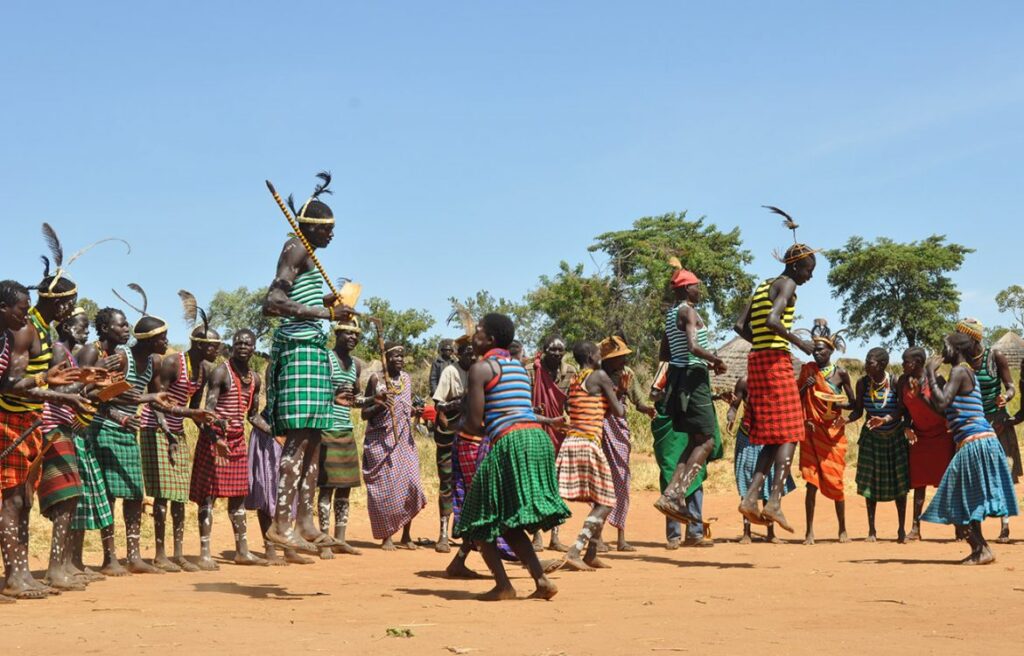
Cultural Experiences with Indigenous Batwa People in Bwindi: A Deeply Human Journey.
Cultural experiences with indigenous Batwa people in Bwindi, When travelers think of Uganda, the mind often jumps to thrilling gorilla trekking adventures in Bwindi Impenetrable Forest. Yet, beyond the dense greenery and rare wildlife lies a cultural treasure that is just as powerful the story and lived experiences of the Indigenous Batwa people. Spending time with the Batwa is not just another tourist activity; rather, it is a meaningful cultural exchange that offers insight into one of Africa’s oldest forest-dwelling communities.
In this guide, you’ll discover what makes a Batwa cultural experience so unique, why it matters, and how you can respectfully engage with this remarkable community while visiting Bwindi.
Who Are the Batwa People?
The Batwa, often referred to as “the keepers of the forest,” are among the oldest surviving Indigenous groups in Central Africa. Historically, they lived as hunter-gatherers in the Bwindi forest for thousands of years. Their deep connection to nature shaped their traditions, beliefs, and way of life.
However, in the early 1990s, when Bwindi was designated as a national park to protect endangered mountain gorillas, the Batwa were displaced from their ancestral land. Consequently, they lost not only their homes but also their primary source of livelihood and cultural identity.
Today, Batwa communities live on the fringes of the forest. Cultural tourism has become one of the key ways they preserve their heritage while earning income. Therefore, visiting them is not just educational it directly supports their survival.
Why a Batwa Cultural Experience Matters.
At first glance, a Batwa visit might seem like a simple cultural tour. However, it goes far deeper than that. It is an opportunity to:
- Learn firsthand about Indigenous knowledge systems
- Understand the impact of conservation on local communities
- Support sustainable and ethical tourism
- Connect with people whose worldview is deeply rooted in nature
Moreover, these experiences challenge travelers to rethink conservation narratives. While protecting wildlife is crucial, it is equally important to consider the human stories intertwined with these landscapes.
What to Expect During a Batwa Cultural Visit.
A typical Batwa cultural experience near Bwindi is immersive, interactive, and emotional. Although programs may vary slightly, most follow a similar structure.
1. Guided Forest Walk
The experience often begins with a walk into the forest led by Batwa guides. Unlike a standard nature walk, this journey is filled with storytelling and demonstrations.
For instance, you will learn how the Batwa used plants for medicine, how they tracked animals, and how they built temporary shelters. Additionally, guides may demonstrate traditional hunting techniques, such as setting snares or using bows and arrows.
As a result, the forest transforms from a scenic backdrop into a living classroom.
2. Traditional Skills Demonstration
Next, visitors are introduced to essential survival skills that sustained the Batwa for generations. These include:
- Fire-making using sticks and friction
- Honey harvesting techniques
- Food gathering methods
- Craft-making from natural materials
Interestingly, these demonstrations are not staged performances but rather authentic practices passed down through generations. Therefore, they provide a genuine glimpse into daily life before displacement.
3. Storytelling and Cultural Narratives
One of the most powerful parts of the experience is storytelling. Elders often share oral histories, myths, and personal accounts of life in the forest.
Through these stories, visitors gain insight into Batwa spirituality, their respect for nature, and their deep sense of community. Furthermore, you begin to understand how the forest was not just a resource but a home, a teacher, and a sacred space.
4. Traditional Music and Dance
No cultural visit is complete without music and dance. The Batwa express joy, sorrow, and history through rhythmic songs and energetic performances.
Visitors are often invited to join in, creating a lively and memorable interaction. While this part of the experience is enjoyable, it also serves a deeper purpose it keeps cultural traditions alive for younger generations.
5. Visiting a Batwa Homestead
In some programs, you may also visit a Batwa village or homestead. This offers a closer look at their current way of life.
Here, you will see:
- Simple housing structures
- Daily cooking practices
- Community interactions
Importantly, this part of the visit highlights the challenges the Batwa face today, including limited access to education, healthcare, and land.
Ethical Considerations: How to Visit Responsibly.
While Batwa cultural experiences are incredibly rewarding, they must be approached with sensitivity and respect. Ethical tourism plays a crucial role in ensuring these interactions benefit the community.
Choose Community-Based Programs.
First and foremost, ensure that your visit is organized through a reputable, community-led initiative. This guarantees that the Batwa directly benefit from tourism revenue.
Respect Cultural Boundaries.
Although the Batwa are welcoming, it is important to respect their traditions and privacy. For example:
- Always ask before taking photos
- Dress modestly
- Avoid intrusive questions
By doing so, you foster mutual respect and a more meaningful connection.
Support Beyond the Visit.
In addition to participating in tours, consider supporting Batwa communities through:
- Purchasing handmade crafts
- Donating to local initiatives
- Spreading awareness about their story
Even small contributions can make a significant difference.
The Emotional Impact of the Experience.
Many travelers describe their time with the Batwa as deeply moving. On one hand, there is admiration for their resilience and cultural richness. On the other hand, there is a sense of reflection about the injustices they have faced.
Consequently, the experience often leaves a lasting impression. It shifts perspectives, encourages empathy, and inspires more conscious travel choices.
Combining Batwa Culture with Gorilla Trekking.
If you are already planning a gorilla trekking safari in Bwindi, adding a Batwa cultural experience is highly recommended. Not only does it enrich your trip, but it also provides a more holistic understanding of the region.
While gorilla trekking connects you with wildlife, the Batwa experience connects you with people. Together, they create a balanced and unforgettable journey.
Best Time to Visit Bwindi for Cultural Experiences.
Although Batwa visits are available year-round, the best time to go is during the dry seasons:
- June to August
- December to February
During these months, forest trails are easier to navigate, and outdoor activities are more enjoyable. However, cultural experiences can still be meaningful regardless of the season.
A Journey Beyond Tourism.
A cultural experience with the Batwa people is not just another item on a travel itinerary. Rather, it is a journey into history, identity, and resilience.
By engaging with the Batwa, you are not only learning about their past you are contributing to their future. Responsible tourism has the power to uplift communities, preserve traditions, and create genuine human connections.
So, as you plan your visit to Bwindi, consider stepping beyond the typical safari experience. Take the time to listen, learn, and connect. In doing so, you will leave with more than just memories you will carry a story that stays with you long after the journey ends.
