History and Significance of Bwindi Impenetrable National Park.

Top 10 Animals Found in Bwindi National Park.
May 5, 2026
What Makes Bwindi Impenetrable National Park a Natural Wonder?
May 16, 2026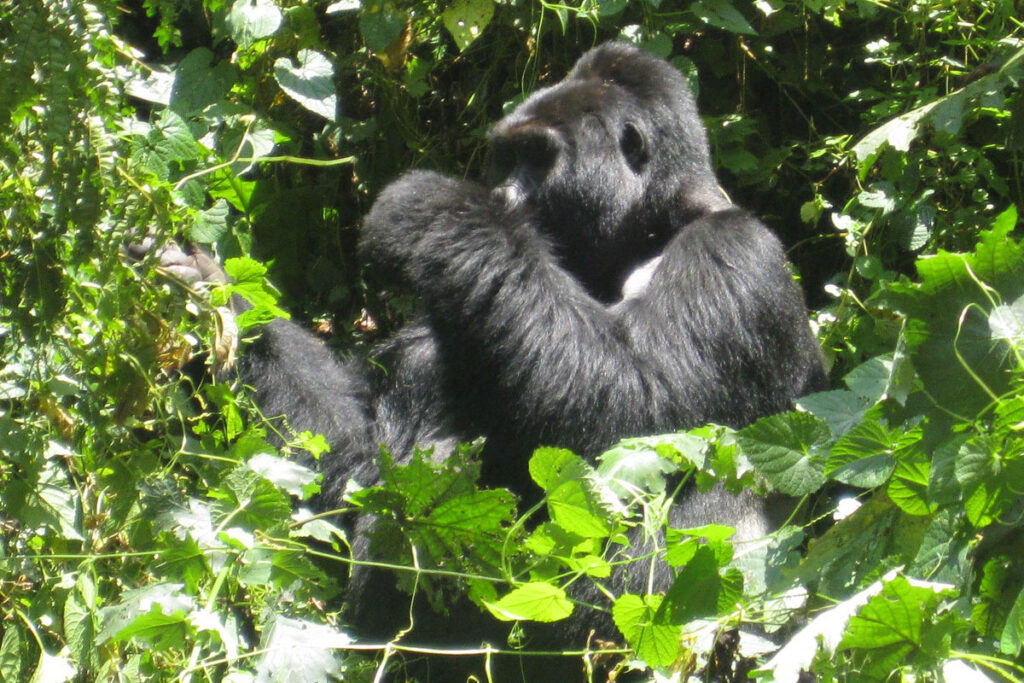
History and Significance of Bwindi Impenetrable National Park.
History and significance of Bwindi Impenetrable National Park Uganda, Hidden within the lush highlands of southwestern Uganda, Bwindi Impenetrable National Park is one of Africa’s most remarkable natural treasures. Today, the park is globally celebrated for its exceptional biodiversity and unforgettable gorilla trekking experiences. However, beyond its famous wildlife lies a fascinating history that has shaped Bwindi into one of the world’s most important conservation areas.
From its ancient rainforest origins to its role in protecting endangered mountain gorillas, Bwindi tells a powerful story of nature, culture, and conservation. Understanding the park’s historical and ecological significance allows visitors to appreciate why it remains one of Uganda’s most valuable destinations.
The Ancient Origins of Bwindi Forest.
To begin with, Bwindi is among the oldest rainforests in Africa. Scientists believe this ancient ecosystem has existed for more than 25,000 years, surviving major climatic changes, including the last Ice Age. Because of its long history, the forest became a refuge for many plant and animal species that disappeared from other regions.
Over thousands of years, the forest developed into a dense and complex ecosystem filled with thick vegetation, towering trees, and tangled undergrowth. This natural density eventually earned it the name “Impenetrable Forest.”
Furthermore, Bwindi’s age explains its extraordinary biodiversity. The park contains hundreds of tree species, colorful butterflies, mammals, reptiles, and birds, many of which are endemic to the Albertine Rift region. As a result, Bwindi is recognized as one of the richest ecosystems in East Africa.
Indigenous Communities and Early Human History.
Long before the forest became a protected conservation area, indigenous communities lived within and around Bwindi. The most notable among them were the Batwa people, often referred to as the “keepers of the forest.”
For centuries, the Batwa depended on the forest for survival and cultural identity. They lived as hunters and gatherers, relying on natural resources while maintaining a deep spiritual connection with the land.
Traditional Lifestyle of the Batwa.
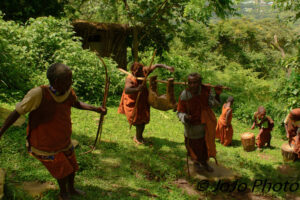
The Batwa community:
- Gathered wild fruits, honey, and medicinal plants
- Hunted small animals using traditional methods
- Used forest herbs for healing and medicine
- Practiced cultural rituals connected to nature
Because of their close relationship with the environment, the Batwa understood the forest’s ecosystems better than almost anyone else.
However, significant changes occurred during modern conservation efforts. When Bwindi was officially protected as a national park in the early 1990s, the Batwa were relocated outside the forest boundaries to reduce human impact on wildlife habitats. Although this helped strengthen conservation, it also created social and economic challenges for the indigenous community.
Today, cultural tourism programs and community initiatives help preserve Batwa traditions while supporting local livelihoods.
Colonial Era and Early Forest Protection.
During the colonial period, Bwindi began attracting attention because of its ecological importance. Initially, sections of the forest were designated as forest reserves under British administration. At that time, conservation mainly focused on managing natural resources rather than protecting biodiversity.
As a result, limited logging and controlled harvesting of forest products were permitted in some areas. Nevertheless, these early protection measures laid the foundation for stronger conservation policies in later years.
Over time, researchers and conservationists increasingly recognized Bwindi’s importance as a habitat for rare wildlife species, especially mountain gorillas.
Establishment of Bwindi Impenetrable National Park.
A major turning point occurred in 1991 when the forest was officially gazetted as Bwindi Impenetrable National Park. This marked the beginning of a new conservation era focused on protecting biodiversity and promoting sustainable tourism.
Why Bwindi Became a National Park.
Several important reasons led to the park’s establishment:
- Protection of endangered mountain gorillas
- Preservation of one of Africa’s oldest rainforests
- Conservation of rare birds, mammals, and plant species
- Promotion of eco-tourism to support Uganda’s economy
Consequently, stricter conservation laws were introduced to reduce deforestation, poaching, and human encroachment within the forest.
Although these restrictions affected some local communities, they greatly improved wildlife protection and habitat preservation.
UNESCO World Heritage Status.
Just three years later, in 1994, Bwindi gained international recognition after being declared a UNESCO World Heritage Site. This prestigious status highlighted the park’s exceptional ecological value and global importance.
Importance of UNESCO Recognition.
The UNESCO designation:
- Increased international awareness of Bwindi
- Attracted global conservation funding
- Strengthened environmental protection efforts
- Boosted tourism in Uganda
Moreover, the recognition positioned Bwindi among the world’s most valuable natural heritage sites, ensuring long-term international support for conservation initiatives.
Bwindi’s Role in Mountain Gorilla Conservation.
Perhaps the most significant aspect of Bwindi’s global importance is its role in protecting endangered mountain gorillas.
At one point, mountain gorillas faced severe threats from:
- Poaching
- Habitat destruction
- Human disease transmission
- Civil unrest in parts of the region
As gorilla populations declined, Bwindi became one of the most critical safe havens for their survival.
A Remarkable Conservation Success Story.
Through collaborative efforts involving the Uganda Wildlife Authority, conservation organizations, researchers, and local communities, gorilla conservation in Bwindi has achieved remarkable success.
Key achievements include:
- Increased mountain gorilla populations
- Stronger anti-poaching patrols
- Veterinary monitoring and healthcare programs
- Community-based conservation initiatives
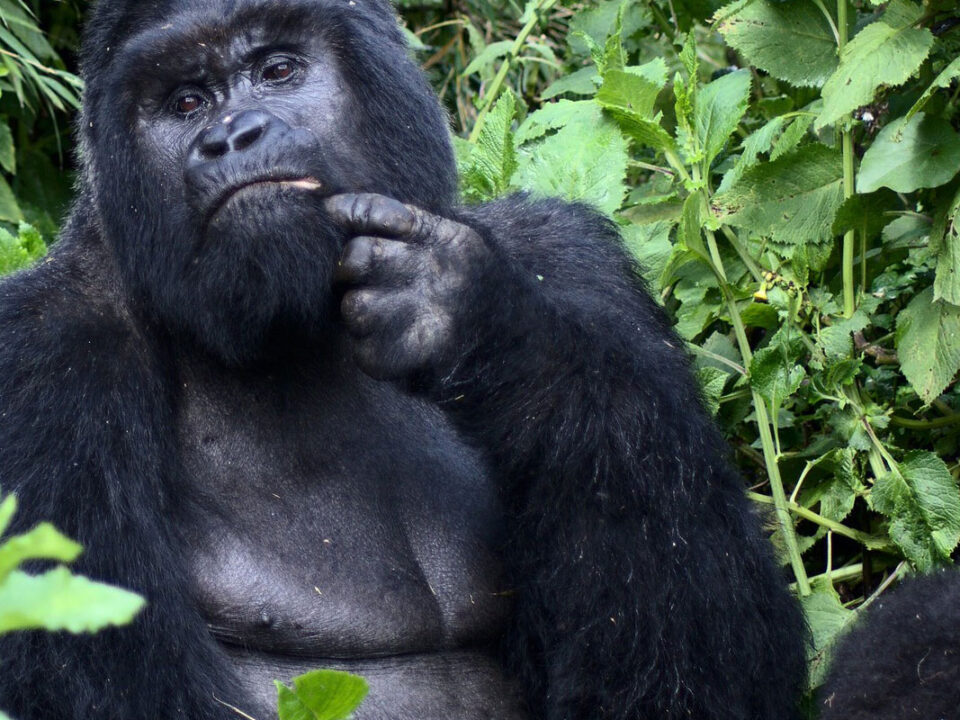
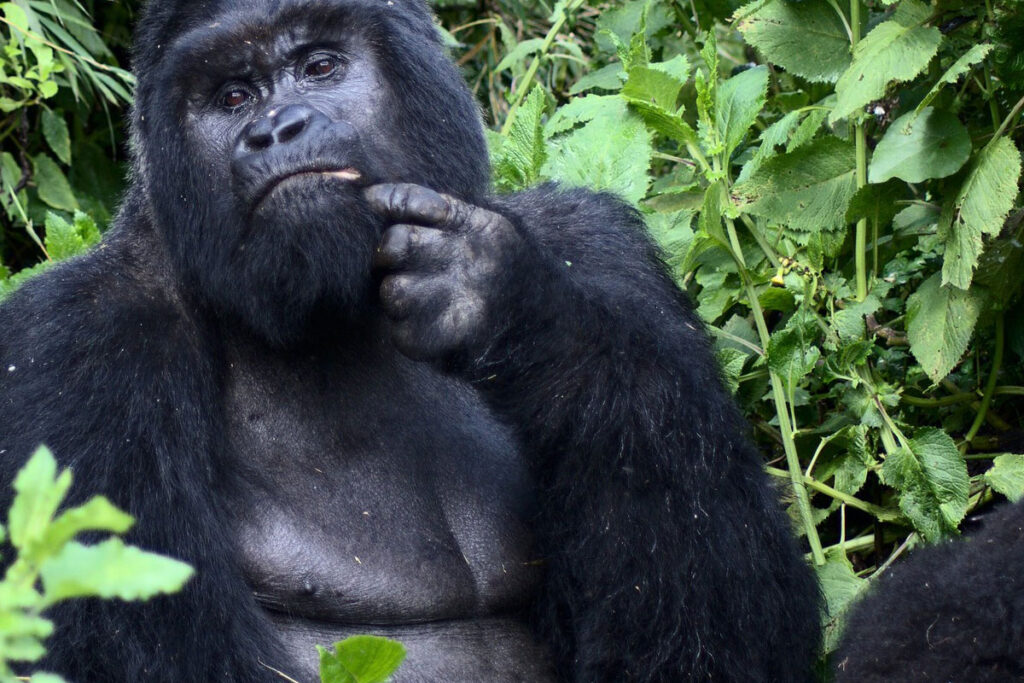
Today, Bwindi is home to nearly half of the world’s remaining mountain gorillas, making it one of the most important gorilla conservation areas on Earth.
As a result, gorilla trekking has become Uganda’s leading tourism attraction and a major source of conservation funding.
Economic and Social Importance.
Beyond its ecological value, Bwindi plays a vital role in Uganda’s economy and community development. Tourism activities, especially gorilla trekking, generate significant revenue every year.
Benefits to Local Communities.
Tourism around Bwindi supports local people through:
- Employment opportunities in lodges and guiding services
- Development of roads, schools, and health facilities
- Community revenue-sharing programs
- Growth of local businesses and crafts
In addition, conservation organizations encourage nearby communities to participate in environmental protection. This approach helps create a balance between conservation and local development.
Cultural and Educational Significance.
Bwindi is not only a wildlife destination but also an important center for education and cultural exchange. Visitors gain valuable insights into Uganda’s natural heritage, conservation efforts, and local traditions.
For example, educational experiences in the park often focus on:
- The importance of biodiversity conservation
- Human-wildlife relationships
- Indigenous cultural heritage
- Environmental sustainability
Because of this, Bwindi serves as a living classroom for researchers, students, conservationists, and travelers from around the world.
Challenges Facing Bwindi Today.
Despite its conservation success, Bwindi still faces several ongoing challenges that threaten its fragile ecosystem.
Major Conservation Challenges.
Some of the key challenges include:
- Population pressure around park boundaries
- Illegal resource collection
- Human-wildlife conflict
- Climate change impacts
- Disease transmission between humans and gorillas
Nevertheless, continuous conservation efforts aim to address these threats through community education, wildlife monitoring, sustainable tourism, and stricter environmental protection measures.
Why Bwindi Remains Important Today.
In today’s rapidly changing world, Bwindi Impenetrable National Park stands as a global symbol of successful conservation. The park demonstrates that protecting nature and supporting local communities can work together when managed responsibly.
Furthermore, Bwindi protects an ancient ecosystem that cannot be replaced. Without continued conservation efforts, many rare species, including mountain gorillas, could face extinction.
Conclusion.
The history and significance of Bwindi Impenetrable National Park extend far beyond its reputation as a gorilla trekking destination. From its ancient rainforest origins and indigenous heritage to its global conservation achievements, Bwindi represents one of Africa’s greatest environmental success stories.
Ultimately, visiting Bwindi is more than a wildlife experience. It is an opportunity to understand the powerful connection between conservation, culture, biodiversity, and sustainable tourism.
Whether you are a traveler, researcher, photographer, or nature enthusiast, Bwindi offers an unforgettable journey into one of the world’s most extraordinary natural environments with bamba safaris Uganda