Top 10 Animals Found in Bwindi National Park.

Nkuringo Sector Gorilla Trekking Experience.
May 3, 2026
History and Significance of Bwindi Impenetrable National Park.
May 16, 2026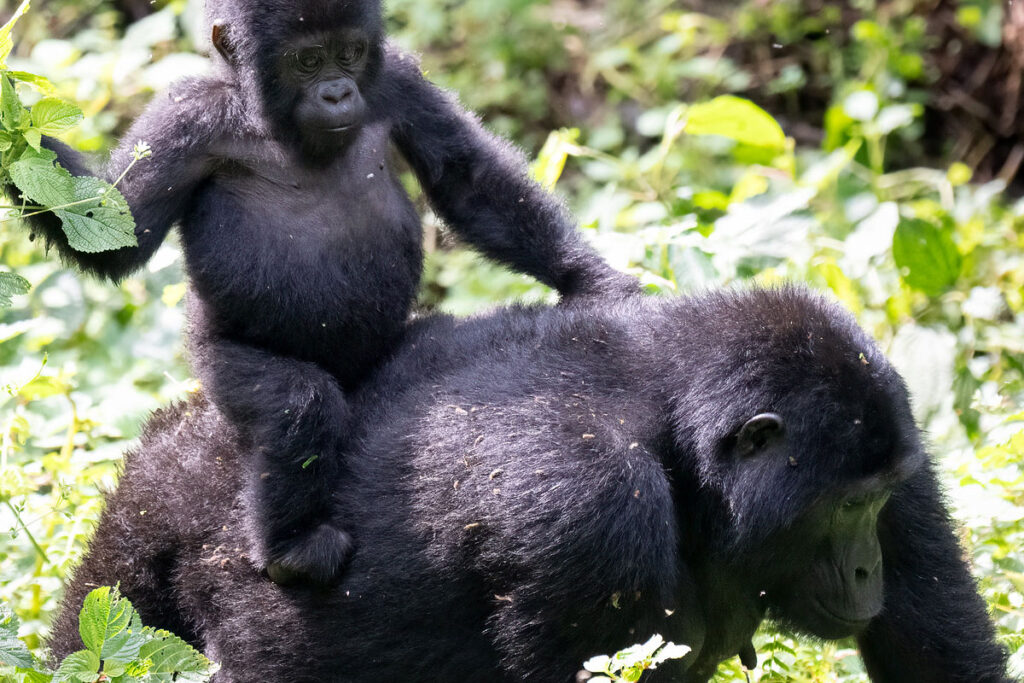
Top 10 Animals Found in Bwindi National Park: A Complete Wildlife Guide.
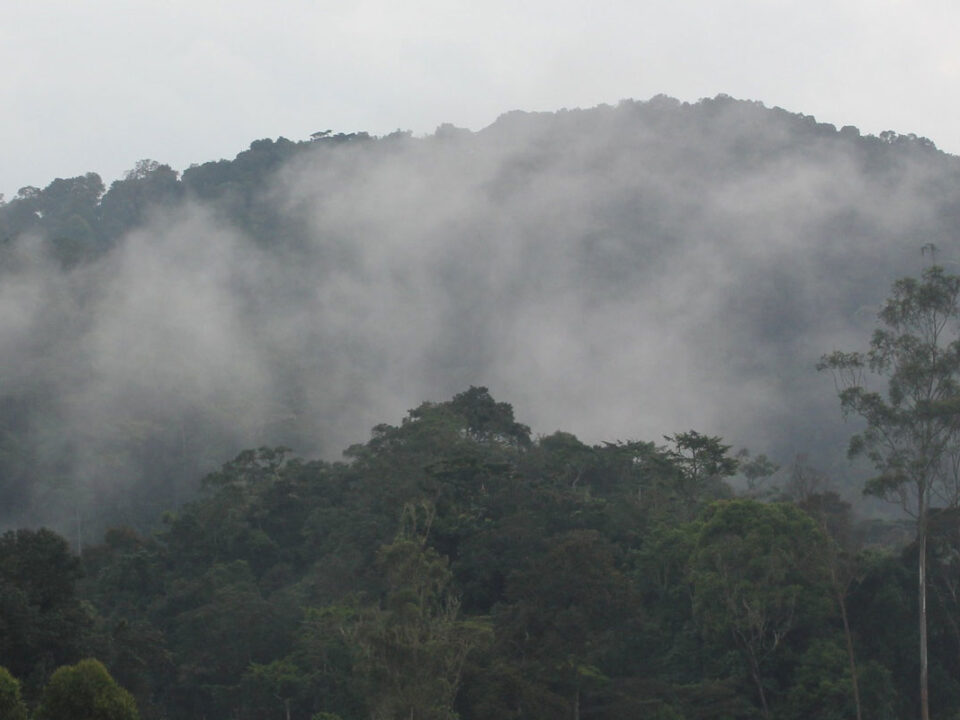
If you are planning a Uganda safari, Bwindi Impenetrable National Park will almost certainly top your list. Tucked away in southwestern Uganda, this ancient, misty rainforest is a UNESCO World Heritage Site celebrated for its extraordinary biodiversity. While it is world famous for its mountain gorillas, the top 10 animals found in Bwindi National Park reveal a far richer and more diverse wildlife experience than many travelers expect.
From secretive forest giants to dazzling endemic birds, Bwindi is a thriving natural sanctuary. In this engaging guide, we explore the top 10 animals found in Bwindi National Park, uncovering what makes each species unique and why this destination remains one of Africa’s most rewarding safari experiences. Bamba safaris as your tour expert.
1. The Mountain Gorilla.
Undoubtedly, the mountain gorilla is the crown jewel of Bwindi. The park protects nearly half of the world’s remaining population, making it the ultimate destination for gorilla trekking.
Spending time with a habituated gorilla family is deeply moving. Watching them groom, play, and interact offers a striking reflection of our own human behavior. Because they are critically endangered, every encounter feels rare and meaningful. For this reason, securing a permit well in advance is essential for any serious safari plan.
2. The Chimpanzee.
Although gorillas take center stage, chimpanzees bring a different kind of energy to the forest. These intelligent primates thrive in Bwindi’s dense canopy, though they are less habituated compared to those in Kibale National Park.
Spotting them requires patience, but hearing their loud pant-hoots echo through the forest is unforgettable. If luck is on your side, you may witness their complex social interactions and remarkable problem solving skills up close.
3. L’Hoest’s Monkey.
L’Hoest’s monkey, also known as the mountain monkey, adds charm to Bwindi’s primate family. Recognizable by its dark coat and distinctive white beard, it stands out both visually and behaviorally.
Unlike many monkeys that remain high in the canopy, this species often moves along the forest floor. As a result, sightings during guided walks are relatively common. Their curious nature sometimes gives you just enough time to capture a perfect photo.
4. The Black-and-White Colobus Monkey.
High above the forest floor, the black-and-white colobus monkey creates a striking visual display. Its long, flowing white tail and graceful leaps make it one of Bwindi’s most photogenic residents.
Interestingly, these monkeys lack thumbs, which actually helps them swing swiftly through the trees. Their specialized stomachs allow them to digest tough, sometimes toxic leaves giving them access to food sources other animals avoid.
5. The African Forest Elephant.
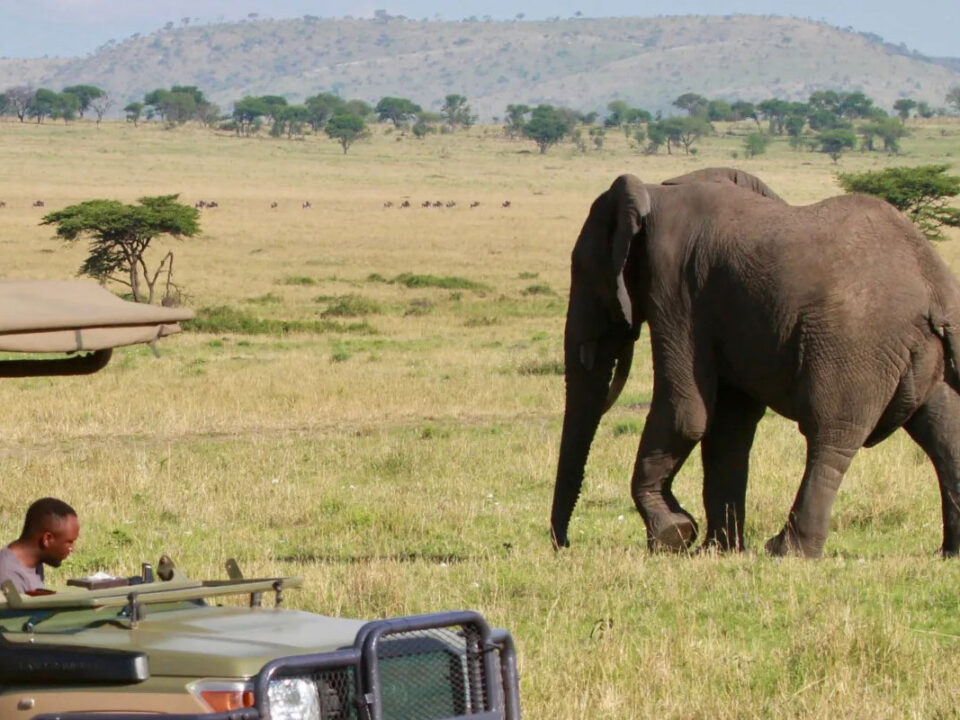
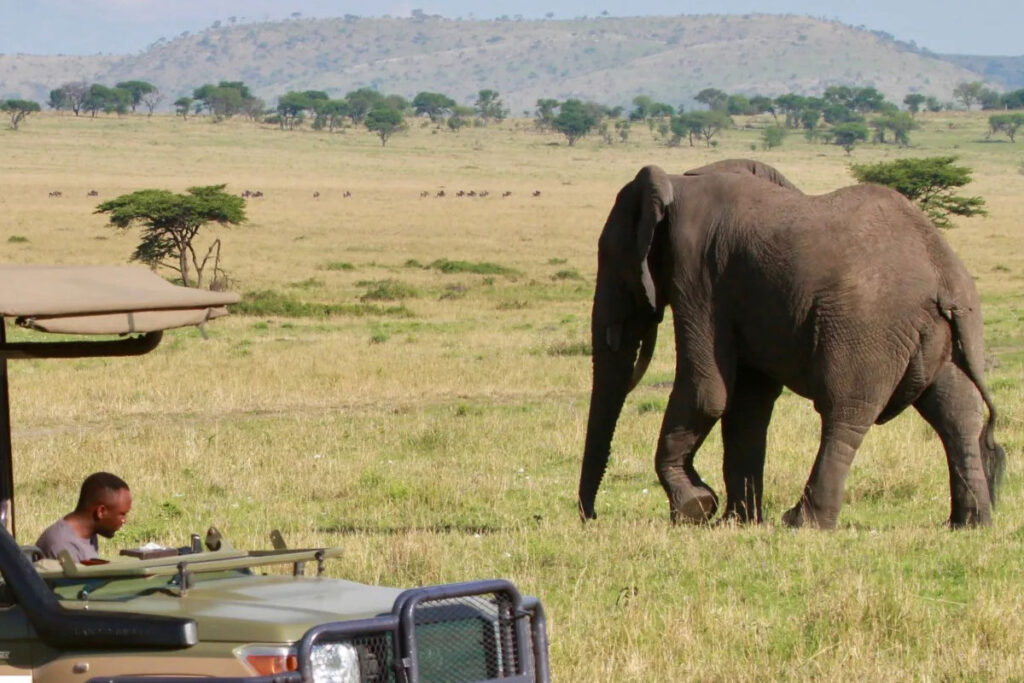
Deep within the forest lives one of Bwindi’s most elusive giants the African forest elephant. Smaller than its savannah cousin found in Queen Elizabeth National Park, this species is perfectly adapted to dense environments.
With rounded ears and straighter tusks, forest elephants move quietly through thick vegetation. Although sightings are rare, their presence is unmistakable fresh footprints, broken branches, and dung often reveal that they are nearby.
6. The Giant Forest Hog.
The giant forest hog is an impressive, often surprising resident of Bwindi. As the largest wild pig species, it can weigh up to 275 kilograms.
These animals typically move in family groups and prefer to avoid humans. However, an unexpected encounter can be both thrilling and unforgettable. Despite their intimidating size, they are generally shy and retreat quickly into dense cover.
7. The African Golden Cat.
Rare, secretive, and captivating the African golden cat is one of Bwindi’s most mysterious predators. About twice the size of a domestic cat, it has a beautiful coat that ranges from reddish-brown to grey.
Because it is nocturnal and extremely elusive, sightings are incredibly rare. Still, camera traps frequently confirm its presence. Knowing such a predator roams the same forest adds a sense of wild authenticity to your experience.
8. The Ruwenzori Turaco.
Bwindi is a bird lover’s paradise, and the Ruwenzori turaco is one of its brightest stars. With vivid green plumage and deep crimson wings, this bird is truly spectacular.
Spotting it gliding through the misty forest canopy is a magical moment. Not surprisingly, birdwatchers travel from around the world for a chance to see this iconic species.
9. Shelley’s Crimsonwing.
For dedicated birders, Shelley’s crimsonwing is the ultimate prize. This rare finch is endemic to the Albertine Rift and incredibly difficult to spot.
Its preference for dense undergrowth and shy behavior make sightings uncommon. However, simply walking through its habitat highlights the ecological importance of Bwindi and its role in protecting rare species.
10. The Three Horned Chameleon.
To fully appreciate Bwindi, you must look beyond large mammals. The three-horned chameleon is a fascinating example of the forest’s smaller wonders.
Males display three prominent horns, while females are usually hornless. Expert guides often spot them blending perfectly into branches. Watching their independently moving eyes is both mesmerizing and unforgettable.
Why Biodiversity Thrives in Bwindi.
Bwindi’s incredible wildlife diversity is no accident. The park’s altitude ranges from 1,160 to 2,607 meters, creating varied climates and habitats within a relatively small area.
This variation supports everything from lowland rainforest species to high altitude specialists. Additionally, Bwindi served as a refuge during ancient climatic changes, allowing many species to survive and evolve here. As a result, it remains one of Africa’s richest ecological zones.
Conclusion
The top 10 animals found in Bwindi National Park offer just a glimpse into the park’s extraordinary biodiversity. While mountain gorillas may be the highlight, the presence of chimpanzees, forest elephants, rare birds, and elusive predators creates a truly immersive wildlife experience.
Bwindi is more than a destination it is a living, breathing ecosystem where every step reveals something new. So, as you plan your Uganda safari, come prepared to explore, observe, and be amazed. In this ancient forest, the real magic lies in the details waiting to be discovered.