Exploring Kibale National Park: Uganda’s Primate Paradise.

Best Time of Year to Visit Bwindi Impenetrable National Park.
June 14, 2026
Top Wildlife Sounds You’ll Hear in Kibale National Park.
June 14, 2026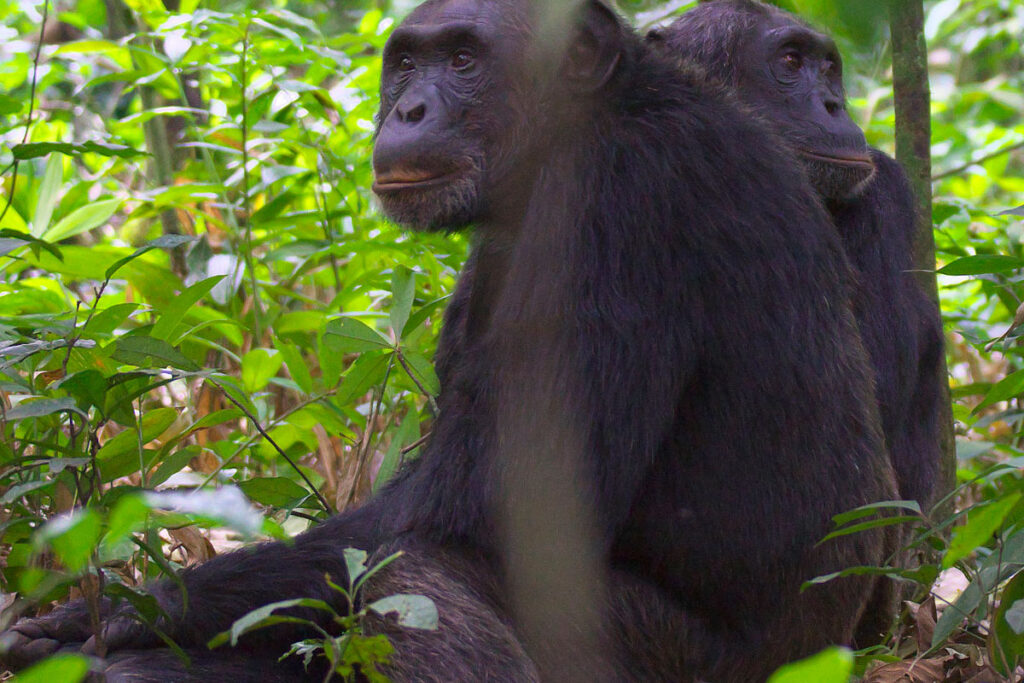
Exploring Kibale National Park: Uganda’s Primate Paradise..
Exploring Kibale National Park:The Uganda’s Primate Paradise, Uganda is often celebrated as the “Pearl of Africa,” a country blessed with breathtaking landscapes, diverse wildlife, and unforgettable safari experiences. While many travelers immediately think of mountain gorillas in Bwindi, another extraordinary destination deserves equal attention Kibale National Park. Known as Uganda’s primate capital, Kibale offers one of the most rewarding wildlife experiences in Africa and is a must visit destination for nature lovers, photographers, birdwatchers, and adventure seekers.
Located in western Uganda near the foothills of the Rwenzori Mountains, Kibale National Park is home to the highest concentration of primates in Africa. The park’s lush tropical rainforest shelters an incredible variety of wildlife, including chimpanzees, monkeys, birds, butterflies, and forest mammals. For travelers seeking a deeper connection with nature, Kibale delivers an experience that is both exciting and educational.
In this guide, we explore everything you need to know about Kibale National Park, from its wildlife and activities to the best time to visit and why it deserves a place on your Uganda safari itinerary.
An Introduction to Kibale National Park
Established in 1993, Kibale National Park covers approximately 795 square kilometers of protected rainforest, grasslands, wetlands, and woodland habitats. The park stretches across several districts in western Uganda and forms an important wildlife corridor connecting with Queen Elizabeth National Park.
What makes Kibale truly special is its remarkable biodiversity. The forest contains some of the oldest and most biologically rich ecosystems in East Africa. Towering trees, dense vegetation, and crystal clear streams create a spectacular environment that supports hundreds of animal and plant species, However, Kibale’s greatest claim to fame is its primates.
Why Kibale Is Known as Uganda’s Primate Paradise.
Kibale National Park boasts an impressive 13 species of primates, making it one of the best places in the world for primate viewing.
The park is particularly famous for its chimpanzees. More than 1,500 chimpanzees inhabit the forest, offering visitors exceptional opportunities to observe our closest relatives in their natural habitat.
Other primate species found in Kibale include:
- Red colobus monkeys
- Black-and-white colobus monkeys
- Red-tailed monkeys
- Blue monkeys
- Grey-cheeked mangabeys
- L’Hoest’s monkeys
- Olive baboons
- Vervet monkeys
- Bush babies
As visitors walk through the forest, it is common to encounter several primate species within a single excursion. The sounds of rustling leaves, distant calls, and playful monkey troops create an atmosphere unlike anywhere else in Uganda.
Chimpanzee Trekking: The Highlight of Kibale National Park.
Without question, chimpanzee trekking is the park’s most popular activity.
Every morning and afternoon, experienced guides lead visitors into the rainforest in search of habituated chimpanzee communities. The trek begins with a briefing before participants venture into the forest following clues such as vocalizations, nests, and feeding signs.
The search itself is an adventure. Along the way, visitors encounter various birds, butterflies, and other primates before finally locating a chimpanzee group.
Watching chimpanzees interact is a fascinating experience. Visitors may observe them grooming each other, feeding on fruits, communicating through loud calls, or swinging effortlessly through the forest canopy.
Because chimpanzees share approximately 98% of their DNA with humans, many travelers find these encounters deeply moving and unforgettable.
The Chimpanzee Habituation Experience.
For travelers seeking a more immersive adventure, Kibale offers the Chimpanzee Habituation Experience.
Unlike standard trekking, which allows one hour with the chimpanzees, habituation permits visitors to spend several hours accompanying researchers and conservationists.
Participants observe chimpanzees from the moment they leave their nests in the morning until they continue their daily activities throughout the forest.
This experience provides unique insights into chimpanzee behavior, social structures, communication, and conservation efforts.
Wildlife enthusiasts and photographers often consider this one of Uganda’s most rewarding safari activities.
Incredible Biodiversity Beyond Primates.
Although chimpanzees receive much of the attention, Kibale National Park offers far more than primate encounters.
The park supports a wide range of wildlife, including:
- Forest elephants
- Bush pigs
- Duikers
- Giant forest hogs
- African buffaloes
- Civets
- Mongooses
While these animals are more elusive than the primates, lucky visitors occasionally encounter them during guided walks.
Kibale’s healthy ecosystem plays a crucial role in preserving Uganda’s biodiversity and contributes significantly to conservation efforts across the region.
A Birdwatcher’s Paradise.
Bird enthusiasts will find Kibale National Park exceptionally rewarding.
The park is home to more than 375 bird species, making it one of Uganda’s premier birding destinations. The combination of rainforest, wetlands, and woodland habitats creates ideal conditions for a wide variety of birds.
Notable species include:
- African pitta
- Green-breasted pitta
- Great blue turaco
- Black bee-eater
- Yellow-spotted barbet
- Crowned eagle
- Purple-breasted sunbird
The nearby Bigodi Wetland Sanctuary further enhances birdwatching opportunities, attracting both resident and migratory species throughout the year.
Whether you are an experienced birder or a casual nature lover, the diversity of birdlife in Kibale is sure to impress.
Exploring the Bigodi Wetland Sanctuary.
A visit to Kibale National Park is often complemented by an excursion to Bigodi Wetland Sanctuary.
Located near the park, this community managed conservation area offers guided nature walks through papyrus swamps, forest edges, and wetlands.
Bigodi is renowned for its rich birdlife and primate populations. Visitors frequently spot monkeys, butterflies, reptiles, and numerous bird species during a leisurely walk.
Beyond wildlife, the sanctuary provides opportunities to learn about local culture, traditional medicine, and community conservation initiatives.
The success of Bigodi demonstrates how tourism can directly support local communities while protecting valuable ecosystems.
Nature Walks and Forest Exploration.
For travelers who enjoy active adventures, Kibale offers several guided nature walks.
These walks allow visitors to appreciate the forest’s incredible biodiversity beyond the famous chimpanzees.
Experienced guides share fascinating information about medicinal plants, forest ecology, wildlife behavior, and conservation efforts.
Walking beneath towering mahogany and fig trees while listening to the sounds of the rainforest creates a peaceful and immersive experience.
Nature walks are especially popular among photographers looking to capture the beauty of the forest and its hidden wildlife.
Best Time to Visit Kibale National Park.
Kibale National Park can be visited throughout the year. However, weather conditions may influence the overall experience.
Dry Seasons
The best months for visiting are:
- December to February
- June to September
During these periods, trails are generally drier and easier to navigate. Chimpanzee trekking conditions are often more comfortable, and wildlife viewing can be particularly rewarding.
Rainy Seasons
The rainy seasons occur from:
- March to May
- October to November
Although rainfall is more frequent, the forest becomes exceptionally lush and scenic. Birdwatching is also excellent during these months, and visitor numbers tend to be lower, Regardless of the season, chimpanzee trekking continues year round.
Where to Stay Near Kibale National Park.
The area surrounding Kibale offers accommodation options for every budget.
Luxury travelers can enjoy exclusive safari lodges with stunning forest views and personalized services.
Mid-range lodges provide comfortable accommodations with excellent access to the park, while budget friendly guesthouses cater to backpackers and independent travelers.
Many properties are located within close proximity to the park entrance, making early morning chimpanzee treks convenient and stress-free.
How to Get to Kibale National Park.
Kibale National Park is easily accessible from several major tourism destinations in Uganda.
The park is approximately five to six hours by road from Kampala and about two to three hours from Queen Elizabeth National Park.
Many travelers include Kibale as part of a broader Uganda safari circuit that combines chimpanzee trekking with gorilla trekking, wildlife safaris, and cultural experiences.
Domestic flights to nearby airstrips are also available for visitors seeking a quicker journey.
Conservation and Sustainable Tourism.
Conservation remains at the heart of Kibale National Park’s success.
The park protects critical habitat for endangered chimpanzees and numerous other species. Tourism revenue supports wildlife protection, research programs, ranger patrols, and community development initiatives.
Visitors contribute directly to conservation simply by choosing responsible tourism experiences.
Through ongoing partnerships between local communities, conservation organizations, and government agencies, Kibale continues to serve as a model for sustainable ecotourism in Africa.
Why Kibale National Park Should Be on Your Uganda Safari Bucket List.
Few destinations in Africa offer the combination of wildlife, biodiversity, adventure, and natural beauty found in Kibale National Park.
From thrilling chimpanzee encounters and rare primate sightings to spectacular birdwatching and tranquil forest walks, the park delivers unforgettable experiences for every type of traveler.
Whether you are planning your first safari or returning to Uganda for another adventure, Kibale provides a unique opportunity to explore one of Africa’s most remarkable rainforest ecosystems.
Last Thoughts.
Exploring Kibale National Park is much more than a wildlife excursion it is a journey into one of Africa’s richest natural environments. As Uganda’s true primate paradise, the park offers extraordinary encounters with chimpanzees, diverse wildlife, colorful birds, and breathtaking rainforest landscapes.
For travelers seeking authentic nature experiences, meaningful conservation tourism, and unforgettable memories, Kibale National Park stands among the very best destinations in East Africa.
Add Kibale to your Uganda safari itinerary, and discover why this remarkable rainforest continues to captivate visitors from around the world.