Best Time of Year to Visit Bwindi Impenetrable National Park.

Interesting Facts About Bwindi’s Mountain Gorillas
June 14, 2026
Exploring Kibale National Park: Uganda’s Primate Paradise.
June 14, 2026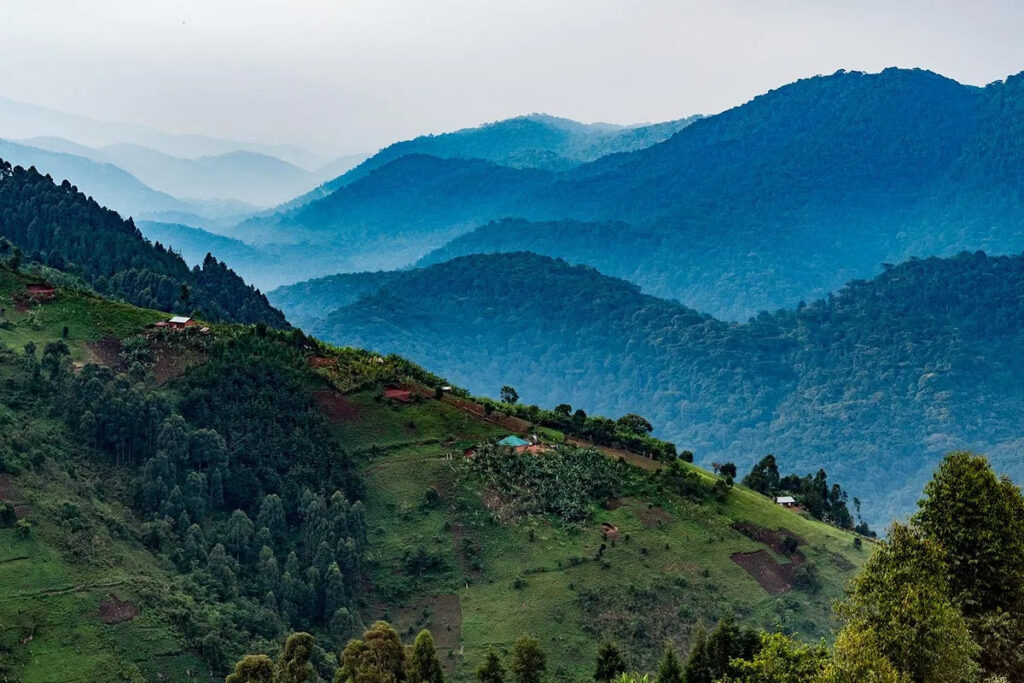
Best Time of Year to Visit Bwindi Impenetrable National Park.
Best time of year to visit Bwindi Impenetrable National Park, Nestled in the mist-covered hills of southwestern Uganda, Bwindi Impenetrable National Park is one of Africa’s most remarkable wildlife destinations. Renowned for its endangered mountain gorillas, ancient rainforest, exceptional biodiversity, and unforgettable trekking experiences, the park attracts thousands of visitors from around the world every year.
One of the most common questions travelers ask when planning a gorilla safari is: What is the best time of year to visit Bwindi Impenetrable National Park?
The simple answer is that Bwindi can be visited throughout the year. Gorilla trekking takes place every day regardless of the season. However, weather conditions, trail accessibility, photography opportunities, birdwatching experiences, and travel costs vary from one season to another. Understanding these differences can help you choose the perfect time for your adventure.
This guide explores Bwindi’s seasons, the advantages and challenges of visiting during different times of the year, and practical tips for planning an unforgettable gorilla trekking safari.
Understanding Bwindi’s Climate.
Before deciding when to visit, it is important to understand the park’s unique climate.
Bwindi lies at elevations ranging from approximately 1,160 to 2,607 meters above sea level. Because of its mountainous terrain and dense tropical rainforest ecosystem, the park experiences a cool, moist climate throughout the year.
Average temperatures remain fairly stable:
- Daytime: 20°C to 27°C
- Nighttime: 7°C to 15°C
Rainfall can occur at any time since Bwindi is a rainforest. However, the year is generally divided into two dry seasons and two rainy seasons.
Dry Seasons.
- June to August
- December to February
Rainy Seasons.
- March to May
- September to November
Although mountain gorilla trekking is possible year-round, the dry seasons are generally considered the most favorable periods for visiting the park.
Best Time for Gorilla Trekking in Bwindi.
Mountain gorilla trekking is the highlight of any visit to Bwindi. Since trekking involves hiking through steep and often dense forest terrain, weather conditions play a major role in the overall experience.
June to August: Peak Gorilla Trekking Season.
The period from June to August is widely regarded as the best time to visit Bwindi Impenetrable National Park.
During these months, rainfall is typically lower, resulting in drier trails and more comfortable hiking conditions.
Why This Season Is So Popular.
First, trekking is generally easier. The trails are less muddy and slippery, reducing the physical challenge of navigating the forest.
Second, visibility within the forest is often better, enhancing wildlife viewing opportunities. Mountain gorillas remain active throughout the year, but drier conditions can make them easier to locate and observe.
Additionally, photographers benefit from brighter conditions and clearer skies, making it easier to capture stunning images of gorillas and rainforest landscapes.
Advantages of Visiting from June to August..
- Drier and safer trekking trails
- Better wildlife viewing opportunities
- Excellent photography conditions
- Comfortable weather for hiking
- Ideal for combining gorilla trekking with other Uganda safari experiences
Challenges
Because this is the most popular travel season, demand for gorilla permits and accommodations is extremely high. Permits often sell out months in advance, especially in popular sectors such as Buhoma and Rushaga.
For this reason, early booking is strongly recommended.
December to February: Another Excellent Time to Visit.
The second dry season, from December through February, is also an outstanding time to explore Bwindi.
Weather conditions are generally favorable, and many international visitors choose this period because it coincides with holiday travel schedules.
What Makes This Season Special?
The forest remains beautifully green following previous rains, creating spectacular scenery throughout the park.
This period is also highly rewarding for birdwatchers. Numerous migratory bird species from Europe and North Africa can be spotted alongside Bwindi’s resident forest birds.
Benefits of Visiting During December to February.
- Pleasant trekking conditions
- Vibrant rainforest scenery
- Excellent birdwatching opportunities
- Reliable road access
- Convenient timing for holiday vacations
Challenges
Like the June to August season, this is another peak travel period. Gorilla permits, lodges, and transportation services often experience high demand, Booking several months in advance is advisable.
Visiting Bwindi During the Rainy Seasons.
While many travelers focus on the dry seasons, visiting Bwindi during the rainy months can be equally rewarding for those seeking a quieter and more affordable experience.
March to May: The Long Rainy Season.
March to May is generally the wettest period of the year.
Heavy rainfall is common, and trekking trails can become muddy, steep, and slippery. As a result, hikes may require more effort and preparation.
Why Some Travelers Prefer This Season.
Despite the challenging conditions, this season offers several unique advantages.
Visitor numbers are significantly lower, allowing for a more peaceful and intimate safari experience. Accommodation rates are often reduced, making this period attractive for budget-conscious travelers.
The rainforest is also at its most vibrant, with lush vegetation, dramatic mist, and stunning landscapes that photographers often love.
Advantages
- Lower accommodation costs
- Fewer tourists
- Greater permit availability
- Spectacular green scenery
- Beautiful misty photography conditions
Challenges
- Heavier rainfall
- Slippery trekking trails
- More physically demanding hikes
- Occasional road access difficulties
Nevertheless, gorilla trekking continues successfully throughout this season, and many visitors enjoy memorable experiences.
September to November: The Short Rainy Season.
The short rainy season typically occurs between September and November.
Rainfall is generally less intense than during March to May, making trekking conditions somewhat more manageable.
Why Visit During This Season?
Many experienced travelers consider this period one of Bwindi’s best kept secrets. Visitor numbers remain relatively low, yet the forest is exceptionally beautiful and alive, Waterfalls flow strongly, vegetation flourishes, and the rainforest atmosphere becomes truly magical.
Benefits
- Fewer crowds
- More affordable accommodations
- Easier access to gorilla permits
- Lush forest scenery
- Excellent birdwatching opportunities
Challenges
- Occasional heavy showers
- Muddy hiking trails
- Unpredictable weather conditions
For travelers who don’t mind occasional rain, this season can provide an outstanding balance between affordability and experience.
Best Time for Birdwatching in Bwindi.
Beyond gorilla trekking, Bwindi is one of Africa’s premier birdwatching destinations.
The park is home to more than 350 bird species, including numerous species found only within the Albertine Rift region.
Ideal Birdwatching Months.
The best birding period generally falls between November and April, when migratory species are present and many birds display their breeding plumage.
Some of the sought after species include:
- African Green Broadbill
- Shelley’s Crimsonwing
- Handsome Francolin
- Rwenzori Turaco
Many visitors combine gorilla trekking with guided birding excursions to enjoy the park’s incredible biodiversity.
Best Time for Photography.
Photography opportunities vary significantly throughout the year.
Dry Season Photography.
During June to August and December to February:
- Better visibility inside the forest
- Brighter natural lighting
- Easier movement along trails
- More favorable conditions for gorilla photography
However, direct sunlight can occasionally create strong contrasts and shadows.
Rainy Season Photography.
The rainy seasons offer a completely different atmosphere:
- Mist-covered forests
- Dramatic landscapes
- Rich green vegetation
- Unique rainforest moods
Photographers seeking artistic and cinematic images often prefer these months.
Best Time for Budget Travelers.
Travelers looking to reduce costs should consider visiting during the rainy seasons:
- March to May
- September to November
During these months:
- Lodges frequently offer discounted rates
- Tour packages are often more affordable
- Gorilla permits are easier to secure
- Fewer visitors create a more exclusive experience
While the weather can be less predictable, the savings can be substantial.
Gorilla Permit Availability Throughout the Year.
A gorilla trekking permit issued by the Uganda Wildlife Authority is mandatory for all gorilla treks in Bwindi.
Peak Demand Periods.
Permit demand is highest during:
- June to August
- December to February
During these months, permits can sell out several months before travel dates.
Easier Availability During Low Season.
During the rainy seasons:
- Permits are easier to obtain
- Last-minute bookings are sometimes possible
- Accommodation options are more flexible
Regardless of when you plan to visit, securing your permit early remains highly recommended.
What to Pack for Bwindi.
Weather conditions can change quickly in a tropical rainforest, so proper preparation is essential regardless of the season.
Essential Packing List.
- Waterproof hiking boots
- Lightweight rain jacket
- Long-sleeved shirts and trousers
- Gardening gloves for gripping vegetation
- Insect repellent
- Camera and spare batteries
- Small daypack
- Reusable water bottle
- Waterproof bags for electronics
Being prepared for both sunshine and rain will ensure a more comfortable trekking experience.
Final Verdict: When Is the Best Time to Visit Bwindi?
The best time to visit Bwindi Impenetrable National Park ultimately depends on your travel priorities.
Choose the Dry Seasons If You Prefer:
- Easier trekking conditions
- Better photography opportunities
- More predictable weather
- Comfortable hiking experiences
Best Months: June to August and December to February
Choose the Rainy Seasons If You Prefer:
- Lower travel costs
- Fewer tourists
- Lush rainforest scenery
- Greater permit availability
Best Months: March to May and September to November
No matter when you visit, Bwindi offers an extraordinary wildlife experience that few destinations on Earth can match. Standing just meters away from a family of endangered mountain gorillas in one of Africa’s oldest rainforests is a truly life changing encounter.
With proper planning and the right season for your travel style, a journey to Bwindi Impenetrable National Park will undoubtedly become one of the most unforgettable adventures of your lifetime just with Bamba safaris your reliable tour operator.