What Makes Bwindi Impenetrable National Park a Natural Wonder?

History and Significance of Bwindi Impenetrable National Park.
May 16, 2026
Why Bwindi is a Must-Visit for Nature Enthusiasts.
May 16, 2026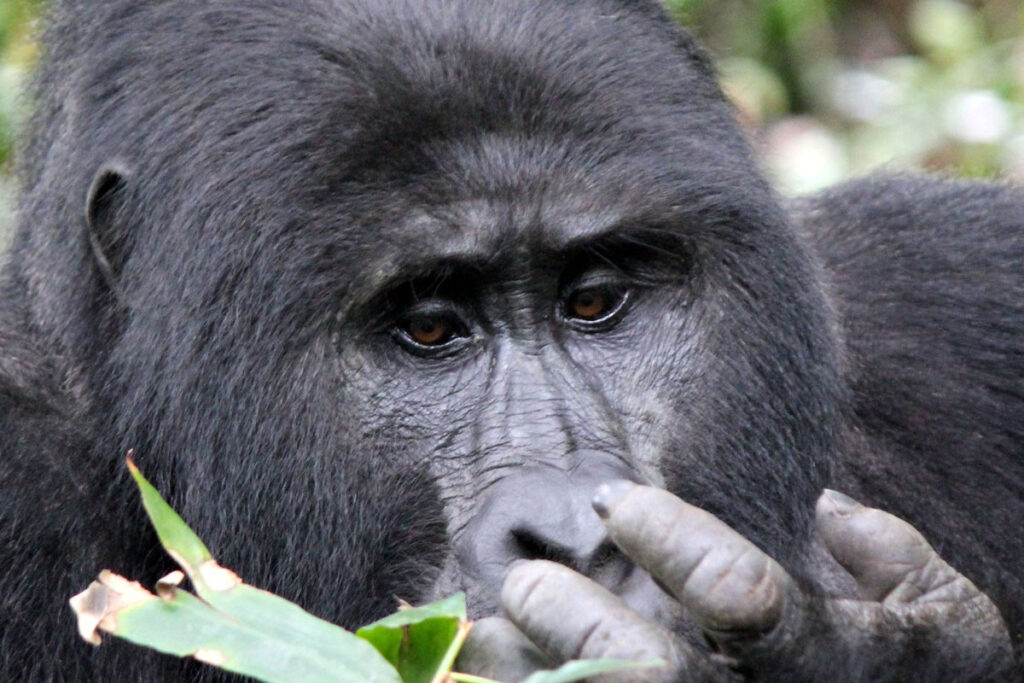
What Makes Bwindi Impenetrable National Park a Natural Wonder?
Hidden in the southwestern corner of Uganda, Bwindi Impenetrable National Park stands as one of Africa’s most extraordinary natural treasures. Famous for its dense rainforest, rare wildlife, and breathtaking landscapes, Bwindi attracts thousands of travelers, researchers, and conservationists every year. However, the forest is much more than just a gorilla trekking destination. It is a living ecosystem filled with incredible biodiversity, ancient vegetation, dramatic hills, waterfalls, and cultural heritage.
For many visitors, Bwindi feels like stepping into another world. Thick mist hangs over the forest canopy in the early morning, birds sing from hidden branches, and ancient trees tower above narrow jungle trails. Every corner of the forest tells a story of survival, beauty, and natural balance. That is exactly why Bwindi is recognized as one of the world’s greatest natural wonders.
In this article, you will discover what makes Bwindi Forest so unique, why it is globally important, and why it continues to amaze nature lovers from across the globe.
The Meaning Behind the Name “Impenetrable”
The word “Bwindi” comes from a local term meaning “dark place.” The forest earned the name “Impenetrable” because of its extremely dense vegetation. Thick bamboo, tangled vines, giant ferns, and closely packed trees make movement through the jungle difficult.
Even today, hiking through Bwindi can be physically demanding. Some trails are steep, muddy, and covered with heavy undergrowth. Nevertheless, this rugged environment is one of the reasons the forest has remained largely untouched for centuries. As a result, it has preserved an ecosystem that is incredibly rich and diverse.
Unlike many forests that have been heavily altered by human activity, Bwindi still maintains much of its ancient natural character. Consequently, visitors experience one of the most authentic tropical rainforests left in Africa.
Home to Half of the World’s Mountain Gorillas.
One of the biggest reasons Bwindi is considered a natural wonder is its population of endangered mountain gorillas. The forest is home to nearly half of the world’s remaining mountain gorillas, making it one of the most important conservation areas on Earth.
These gentle giants live in family groups led by dominant silverbacks. Watching them interact in their natural habitat is an unforgettable experience. Visitors often observe gorillas feeding, grooming, resting, and caring for their young.
Mountain gorillas are incredibly intelligent and share about 98% of human DNA. Because of this close genetic relationship, many tourists describe gorilla trekking as emotional and life-changing.
Gorilla tourism has also played a major role in conservation. Revenue from permits helps fund forest protection, anti-poaching patrols, research, and local community development. Therefore, tourism in Bwindi supports both wildlife conservation and sustainable livelihoods.
Extraordinary Biodiversity.
Bwindi Forest is not only about gorillas. In fact, it is one of the most biologically diverse rainforests in Africa. Scientists consider it a biodiversity hotspot because of the enormous number of species living within the park.
The forest contains:
- More than 120 mammal species
- Over 350 bird species
- Around 220 butterfly species
- Hundreds of tree and plant species
- Numerous reptiles and amphibians
This rich biodiversity exists because Bwindi lies at the meeting point of East African and Central African ecosystems. As a result, species from different ecological regions thrive together in the same environment.
Additionally, Bwindi’s varied altitude creates different habitats. Lower areas support tropical rainforest vegetation, while higher elevations contain montane forest species. This environmental diversity allows countless organisms to survive and flourish.
A Paradise for Bird Lovers.
Birdwatchers from around the world travel to Bwindi to see rare and endemic bird species. The park is recognized as one of Africa’s top birding destinations.
Some of the famous birds found in Bwindi include:
- African green broadbill
- Great blue turaco
- Handsome francolin
- Black bee-eater
Many of these birds are difficult to find anywhere else in East Africa. Consequently, Bwindi has become a dream destination for serious bird enthusiasts.
The best part is that birdlife can be seen throughout the year. Early morning forest walks often reveal colorful birds singing from the canopy while mist rises above the trees. This magical atmosphere adds even more beauty to the forest experience.
Ancient Forest Ecosystem.
Bwindi is believed to be one of the oldest forests in Africa. Scientists estimate that parts of the forest survived the last Ice Age over 25,000 years ago. Because of this long ecological history, the forest developed an exceptionally complex ecosystem.
Ancient trees with massive trunks dominate some sections of the forest. Moss-covered branches, giant ferns, and thick undergrowth create a prehistoric appearance that feels untouched by time.
The age of the forest is important because it allowed many rare plant and animal species to evolve and survive. Some species found in Bwindi exist nowhere else on Earth.
Moreover, the forest plays a critical role in climate regulation. It absorbs carbon dioxide, produces oxygen, and protects regional water systems. Therefore, Bwindi contributes not only to Uganda’s environment but also to global ecological health.
Stunning Landscape and Scenery.
Bwindi’s landscape is another reason why it is considered a natural wonder. The park covers steep hills, deep valleys, ridges, rivers, waterfalls, and mist-covered mountains.
As visitors hike through the forest, they encounter constantly changing scenery. One moment they walk beneath towering trees, and the next they stand on a ridge overlooking endless green hills.
The park’s elevation ranges from about 1,160 to 2,607 meters above sea level. Consequently, temperatures and vegetation vary across different sections of the forest.
Photographers especially love Bwindi because every trail offers spectacular natural beauty. Morning fog drifting through the trees creates dramatic views that make the forest appear almost mystical.
Unique Gorilla Trekking Experience.
Gorilla trekking in Bwindi is unlike any other wildlife activity in the world. Instead of viewing animals from safari vehicles, visitors hike directly into dense rainforest to find gorilla families in their natural habitat.
Treks can last from a few hours to an entire day depending on the gorillas’ location. Rangers guide tourists through challenging terrain while sharing information about the forest ecosystem.
Once the gorillas are found, visitors spend one unforgettable hour observing them from a safe distance. This close encounter creates a deep appreciation for wildlife conservation.
Unlike zoos or controlled environments, Bwindi offers a truly wild experience. Every trek is different because the gorillas move freely through the forest. Therefore, each visit feels unique and exciting.
Rich Cultural Heritage.
Bwindi is also surrounded by vibrant local communities with deep cultural traditions. The Batwa people, often called the “keepers of the forest,” originally lived within the rainforest as hunter gatherers.
For centuries, the Batwa depended on the forest for food, medicine, shelter, and spiritual practices. Although they no longer live inside the park, their cultural history remains closely connected to Bwindi.
Today, visitors can experience Batwa cultural tours featuring traditional dances, storytelling, music, and demonstrations of ancient forest survival skills.
Additionally, nearby Bakiga communities welcome tourists with local cuisine, crafts, and cultural performances. These experiences allow travelers to connect with the human side of Bwindi’s heritage.
UNESCO World Heritage Status.
In 1994, UNESCO declared Bwindi Impenetrable National Park a UNESCO World Heritage Site. This recognition highlighted the forest’s global ecological importance.
UNESCO acknowledged Bwindi for its:
- Exceptional biodiversity
- Endangered mountain gorilla population
- Ancient rainforest ecosystem
- Scientific significance
World Heritage status has helped strengthen conservation efforts and increase international awareness about protecting the forest.
As a result, Bwindi continues to receive support from conservation organizations, researchers, and eco-tourism initiatives worldwide.
Conservation Success Story.
Despite facing threats such as deforestation and poaching in the past, Bwindi has become a conservation success story.
The combined efforts of the Uganda Wildlife Authority, local communities, conservation groups, and tourism stakeholders have helped protect the forest and its wildlife.
Mountain gorilla numbers have slowly increased over the years due to:
- Anti-poaching patrols
- Veterinary care
- Community conservation programs
- Responsible tourism
- Environmental education
Importantly, local communities now benefit economically from tourism. Because residents earn income from guiding, accommodation, crafts, and cultural tourism, many people actively support conservation efforts.
This balance between conservation and community development makes Bwindi a global model for sustainable tourism.
Adventure Beyond Gorilla Trekking.
Although gorilla trekking is the main attraction, Bwindi offers many other exciting activities for nature lovers.
Visitors can enjoy:
- Forest nature walks
- Birdwatching tours
- Waterfall hikes
- Cultural experiences
- Community visits
- Photography tours
- Mountain biking in nearby areas
Each activity reveals a different side of the forest’s beauty and ecological richness.
Furthermore, Bwindi’s peaceful atmosphere makes it an ideal destination for travelers seeking relaxation, adventure, and a deeper connection with nature.
Why Bwindi Continues to Inspire the World.
Bwindi Forest remains one of Africa’s most inspiring natural destinations because it combines rare wildlife, ancient ecosystems, stunning scenery, and cultural heritage in one extraordinary location.
Very few places on Earth offer such a powerful blend of biodiversity and authentic wilderness. Every visit to the forest creates a sense of wonder and respect for the natural world.
Moreover, Bwindi demonstrates how conservation and tourism can work together to protect endangered species while improving local livelihoods. Its success story continues to inspire environmental protection efforts around the world.
For travelers seeking adventure, beauty, wildlife, and meaningful experiences, Bwindi is far more than a national park. It is a living natural wonder that showcases the incredible richness of our planet.
Conclusion
Bwindi Impenetrable National Park is truly one of the world’s greatest natural wonders. From endangered mountain gorillas and rare birdlife to ancient rainforest landscapes and vibrant local cultures, the forest offers an unmatched experience for visitors.
Its extraordinary biodiversity, breathtaking scenery, and successful conservation efforts make Bwindi globally important. At the same time, its untouched wilderness creates unforgettable memories for everyone who explores it.
Whether you are a wildlife enthusiast, photographer, birdwatcher, or adventure traveler, Bwindi provides a unique opportunity to experience nature at its purest. That is exactly what makes this remarkable forest a true natural wonder of Africa.