Must-Pack Items for a Bwindi Gorilla Trekking Trip.

Conservation Efforts to Protect Mountain Gorillas in Bwindi.
June 8, 2026
Interesting Facts About Bwindi’s Mountain Gorillas
June 14, 2026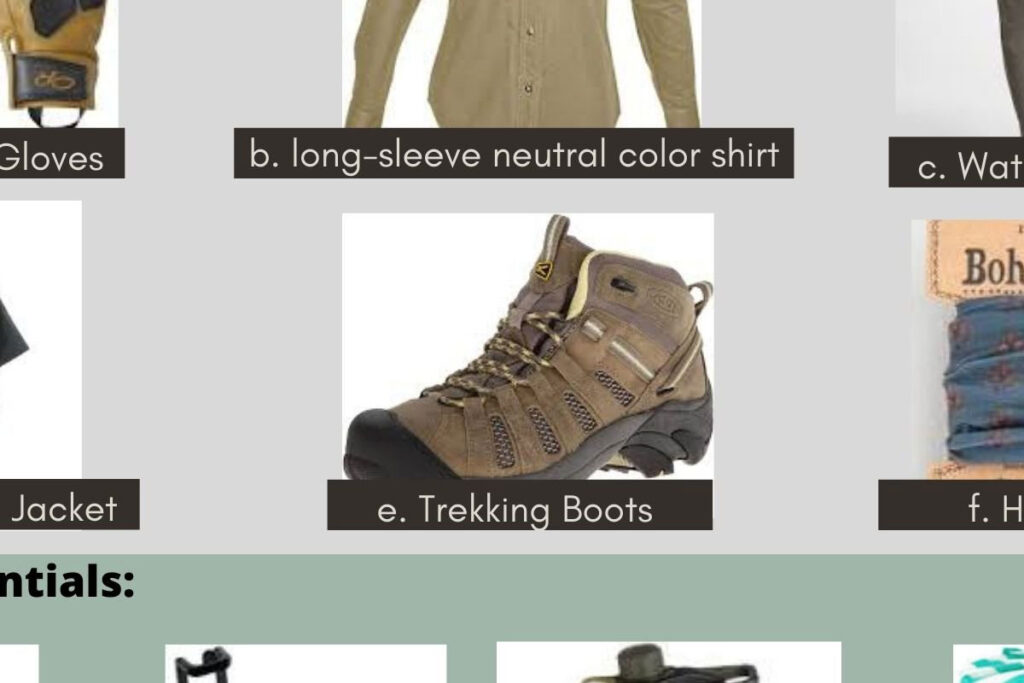
Must-Pack Items for a Bwindi Gorilla Trekking Trip.
The Ultimate Packing Guide for an Unforgettable Gorilla Trekking Experience.
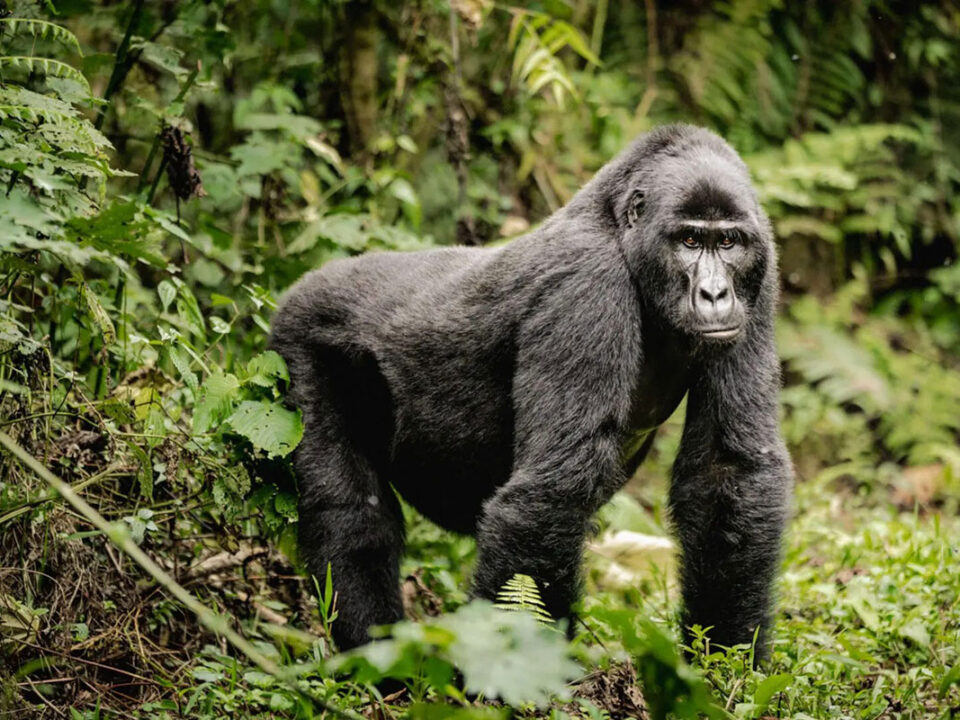
Nestled in the mist-covered hills of southwestern Uganda, Bwindi Impenetrable National Park is one of Africa’s most remarkable wildlife destinations. Famous for its endangered mountain gorillas, ancient rainforest, and breathtaking scenery, the park offers visitors a truly life changing adventure.
However, gorilla trekking in Bwindi is very different from a traditional safari. The trails can be steep, muddy, and physically demanding, while the weather can change unexpectedly. Therefore, packing the right gear is essential for a safe, comfortable, and enjoyable trekking experience.
Whether you are preparing for your first gorilla trek or returning for another adventure, this guide highlights the essential items you should pack and explains why each one matters.
Why Proper Packing for Gorilla Trekking Matters.
Before heading into the rainforest, it is important to understand the nature of gorilla trekking. Unlike game drives, trekking requires hiking through dense vegetation and uneven terrain. Depending on the location of the gorilla family, the trek can last anywhere from one to eight hours.
In addition, Bwindi’s rainforest climate means conditions can change quickly. A sunny morning can easily turn into a rainy afternoon. As a result, proper preparation helps protect you from rain, mud, insects, and the challenges of hiking through the forest.
Most importantly, having the right equipment allows you to focus on the incredible experience of observing mountain gorillas in their natural habitat.
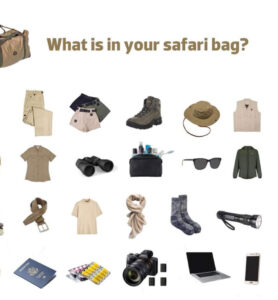
1. Waterproof Hiking Boots.
A good pair of waterproof hiking boots is arguably the most important item for your gorilla trekking adventure.
Bwindi’s trails are often slippery, muddy, and uneven. Consequently, ordinary sneakers or casual shoes are not suitable for the trek.
When choosing hiking boots, look for:
- Waterproof protection
- Strong grip and traction
- Good ankle support
- Comfortable cushioning
These features help reduce the risk of slips and injuries while keeping your feet dry and comfortable throughout the trek, Break in your boots before traveling to avoid blisters during the hike.
2. Long-Sleeved Shirts and Long Trousers.
The rainforest is filled with thick vegetation, thorny plants, insects, and stinging nettles. Therefore, wearing long-sleeved shirts and long trousers is highly recommended.
Choose lightweight, breathable fabrics that dry quickly. Neutral colors such as khaki, green, brown, and gray are ideal because they blend naturally with the environment and are less likely to attract insects.
Additionally, long clothing helps protect your skin from scratches, insect bites, and changing weather conditions.
3. Waterproof Rain Jacket or Poncho.
Because Bwindi is a tropical rainforest, rain can occur at any time of the year. Even during the dry season, brief showers are common.
For this reason, a lightweight waterproof rain jacket or poncho should always be included in your packing list.
A quality rain jacket should be:
- Waterproof
- Breathable
- Lightweight
- Easy to pack
Furthermore, rain gear helps protect your camera, documents, and other valuables from moisture.
4. Gardening Gloves or Trekking Gloves.
Although often overlooked, gloves can significantly improve your trekking experience.
At times, trekkers must hold onto branches, vines, and vegetation while navigating steep slopes. As a result, gloves provide protection from thorns, rough surfaces, and insect stings.
Simple gardening gloves are affordable and work perfectly well, while trekking gloves offer additional comfort and grip.
5. Insect Repellent.
As expected in a tropical rainforest, insects are common throughout Bwindi.
To minimize discomfort, apply insect repellent before the trek and carry some for reapplication if necessary. Repellents containing DEET are highly effective, although natural alternatives are also available.
When combined with long-sleeved clothing, insect repellent provides excellent protection throughout the hike.
6. Comfortable Backpack or Daypack.
A lightweight daypack is essential for carrying your personal items during the trek.
Your backpack should have enough space for:
- Drinking water
- Snacks
- Rain jacket
- Camera
- Sunscreen
- Insect repellent
- Personal medication
For added protection, choose a waterproof backpack or use a rain cover to keep your belongings dry.
7. Drinking Water.
Staying hydrated is crucial during gorilla trekking.
The combination of physical activity, humidity, and long hiking hours can quickly lead to dehydration. Therefore, carrying at least two liters of water per person is highly recommended.
Reusable water bottles or hydration packs are excellent choices because they are convenient and environmentally friendly.
8. Energy-Boosting Snacks.
Because some treks can last several hours, carrying light snacks is a smart idea.
Popular options include:
- Energy bars
- Nuts
- Dried fruits
- Biscuits
- Chocolate
These snacks help maintain your energy levels and keep you motivated throughout the trek.
However, remember to carry all litter back with you to help preserve the park’s pristine environment.
9. Camera and Extra Batteries.
Encountering mountain gorillas in the wild is an unforgettable moment that many visitors want to capture.
A camera with extra batteries and memory cards will help ensure you never miss these special moments. Since the forest can be relatively dark beneath the tree canopy, cameras that perform well in low-light conditions are particularly useful.
Importantly, flash photography is prohibited because it may disturb the gorillas.
10. Hat and Sunglasses
Although much of the trek takes place under forest cover, some sections are exposed to direct sunlight.
A wide-brimmed hat helps protect your face and neck, while sunglasses shield your eyes from glare during open trail sections.
Additionally, a hat can provide extra comfort during light rain showers.
11. Sunscreen
Many travelers underestimate the strength of the African sun, especially when trekking in cooler forest environments.
Nevertheless, UV rays remain powerful even on cloudy days. Applying a high SPF sunscreen before the trek helps prevent sunburn and skin irritation.
For extra protection, consider bringing a lip balm with SPF.
12. Walking Stick
A walking stick can make navigating Bwindi’s challenging terrain much easier.
Fortunately, walking sticks are often available at the park headquarters or through trekking operators.
They provide added stability on steep and muddy trails while reducing strain on the knees during long hikes.
As a result, many trekkers find them invaluable, particularly on difficult sections of the route.
13. Lightweight Gaiters
Gaiters are worn over hiking boots and lower trouser legs to prevent mud, water, and insects from entering your footwear.
Since some Bwindi trails can become extremely muddy, gaiters offer an extra layer of protection and comfort.
Although optional, they are highly recommended for trekkers visiting during rainy periods.
14. Personal Medications and a Small First Aid Kit.
Always carry any prescribed medications you may need during the trek.
In addition, a basic first aid kit should include:
- Pain relievers
- Bandages
- Antiseptic wipes
- Blister treatment
- Allergy medication
If you have any medical conditions, inform your guide before the trek begins.
15. Travel Documents and Gorilla Trekking Permit
Your gorilla trekking permit is essential. Without it, participation in the trek is not possible.
Keep the following documents secure and easily accessible:
- Passport
- Gorilla trekking permit
- Travel insurance documents
- Required vaccination records
A waterproof document holder is highly recommended to protect these important items.
Bonus Packing Tips for Gorilla Trekking in Bwindi.
Pack Light but Wisely
While it is important to be prepared, carrying unnecessary items can make the trek more challenging. Focus on the essentials and avoid overpacking.
Dress in Layers
Temperatures can vary throughout the day. Therefore, dressing in layers allows you to adapt comfortably to changing weather conditions.
Hire a Porter
Hiring a porter is one of the best decisions you can make during a gorilla trek.
Not only does it make the hike easier, but it also supports local communities living around Bwindi. Additionally, porters often assist trekkers on steep and slippery sections of the trail.
What Not to Pack
To stay comfortable during your trek, avoid carrying unnecessary or bulky items such as:
- Heavy suitcases
- Expensive jewelry
- Large umbrellas
- Excess electronic devices
Traveling light improves mobility and makes the experience more enjoyable.
last Thoughts.
A gorilla trekking adventure in Bwindi Impenetrable National Park is among Africa’s most extraordinary wildlife experiences. However, the key to fully enjoying the journey lies in proper preparation.
From waterproof hiking boots and rain gear to insect repellent and essential travel documents, every item on your packing list contributes to a safer and more comfortable trek.
Ultimately, being well prepared allows you to focus on the unforgettable moment of standing just a few meters away from a family of endangered mountain gorillas in their natural rainforest home.
As you plan your Uganda safari, use this packing guide to ensure a smooth, rewarding, and truly memorable gorilla trekking experience in the heart of Uganda. Contact Bamba safaris Uganda