Ultimate Guide to Volcanoes National Park Gorilla Trekking.

Where to Stay Near Kibale Forest National Park.
July 12, 2026
What to Pack for Gorilla Trekking.
July 12, 2026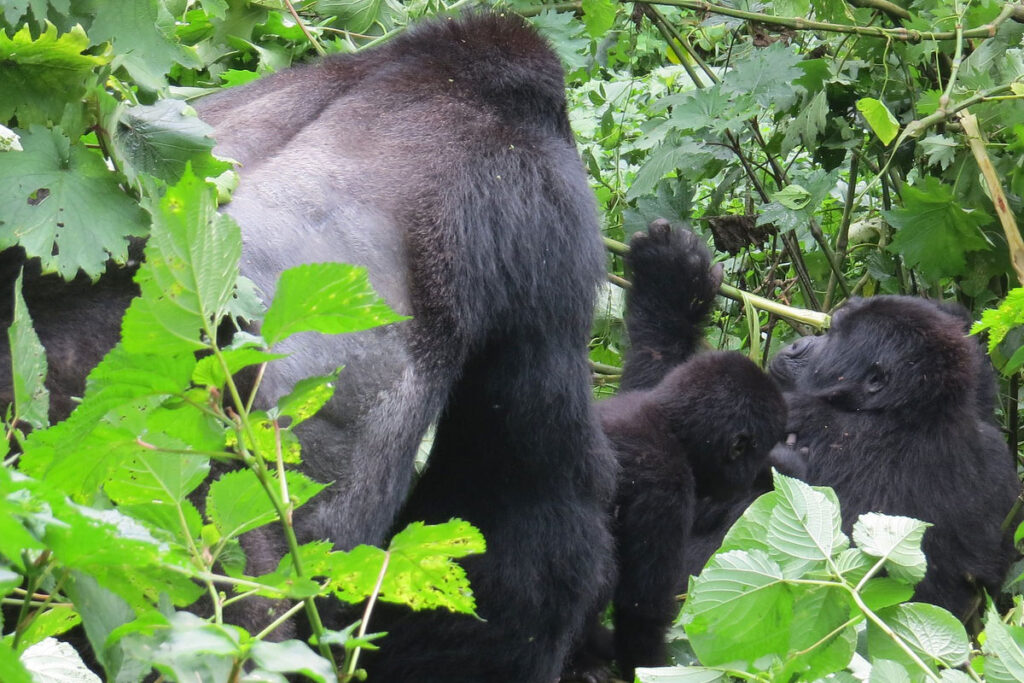
Ultimate Guide to Volcanoes National Park Gorilla Trekking.
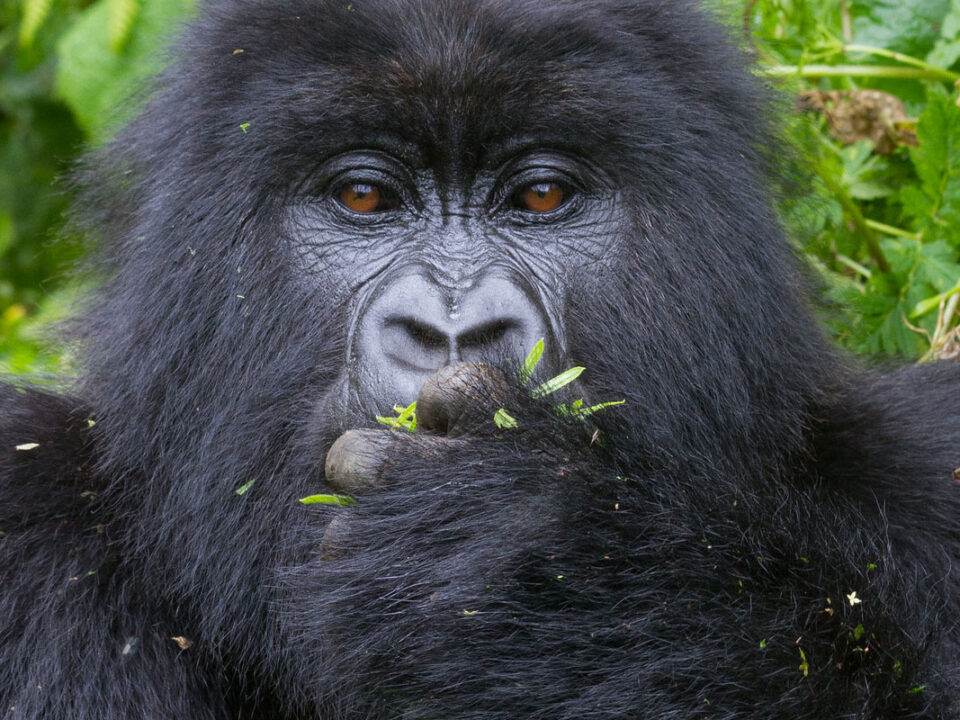
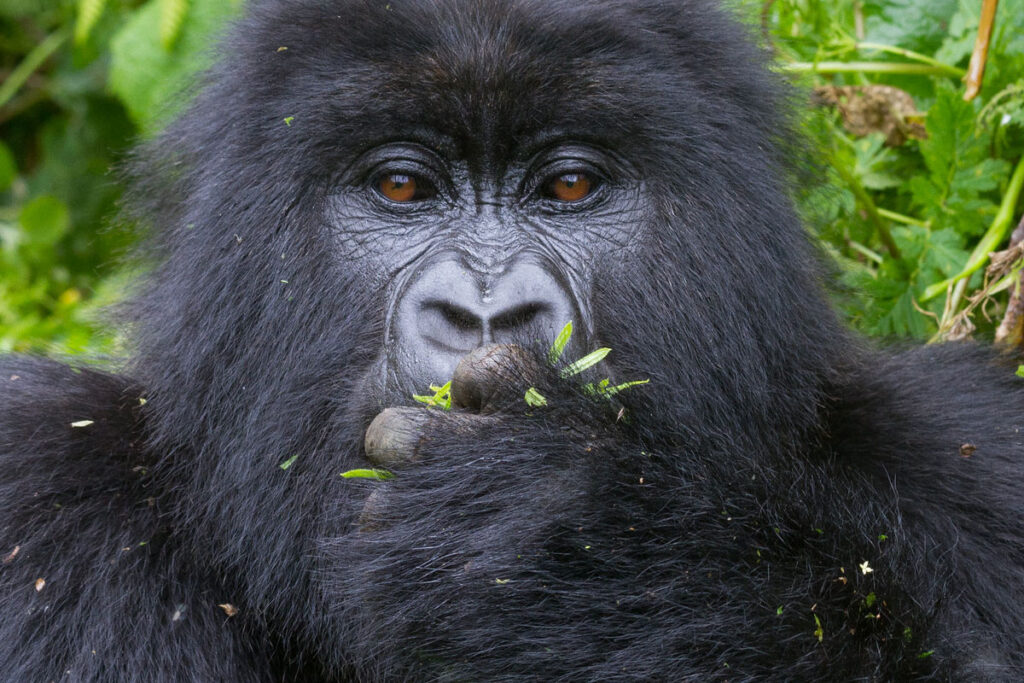
Ultimate guide to volcanoes National Park Gorilla Trekking, Few wildlife experiences compare to standing just a few meters away from a family of endangered mountain gorillas in their natural habitat. Hidden within Rwanda’s mist-covered Virunga Mountains, Volcanoes National Park offers one of the world’s most remarkable wildlife adventures. Every trek into the rainforest is an opportunity to witness these gentle giants as they feed, play, groom one another, and care for their young.
Whether you are planning your first African safari or adding Rwanda to an East African adventure, gorilla trekking in Volcanoes National Park promises unforgettable memories. The park combines breathtaking volcanic scenery, rich biodiversity, and world-class conservation efforts, making it one of Africa’s premier wildlife destinations.
This comprehensive guide explains everything you need to know before your trek, from permit information and what to expect on the day of your hike to the best time to visit and practical tips for making the most of your experience.
Why Visit Volcanoes National Park?
Located in northwestern Rwanda, Volcanoes National Park is one of Africa’s oldest protected areas. Established in 1925, it was originally created to protect the endangered mountain gorillas that inhabit the Virunga Massif. Today, the park remains one of the most successful conservation stories in the world.
Although the park covers approximately 160 square kilometers, it is home to an extraordinary variety of wildlife and landscapes. Dense bamboo forests gradually give way to montane rainforest, open grasslands, and volcanic slopes, creating diverse habitats that support hundreds of plant and animal species.
The park is famous for its population of mountain gorillas, but visitors may also encounter:
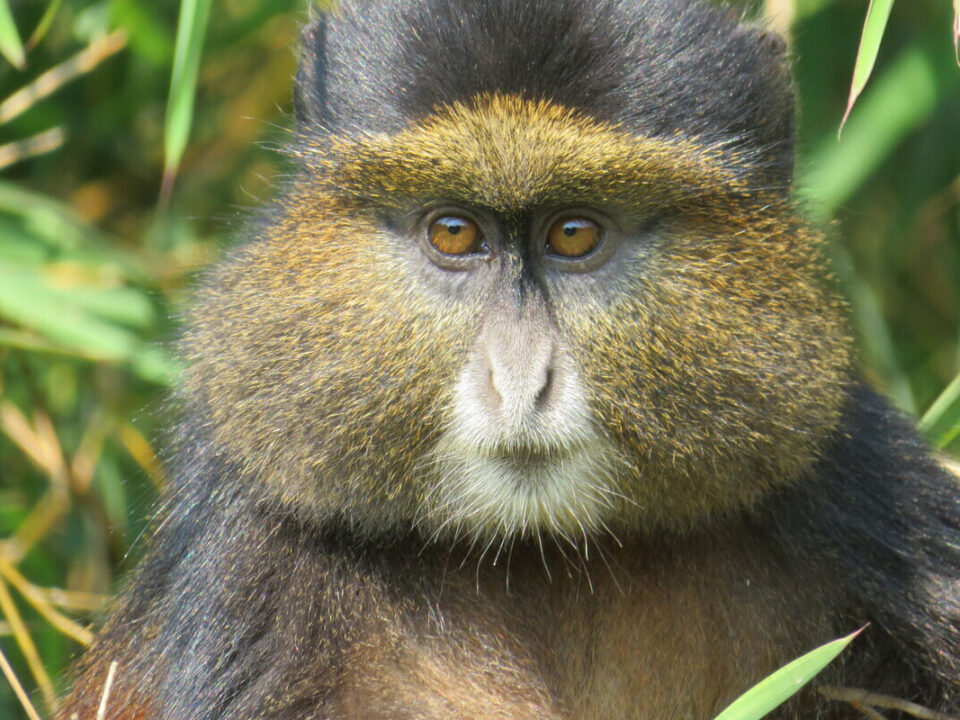
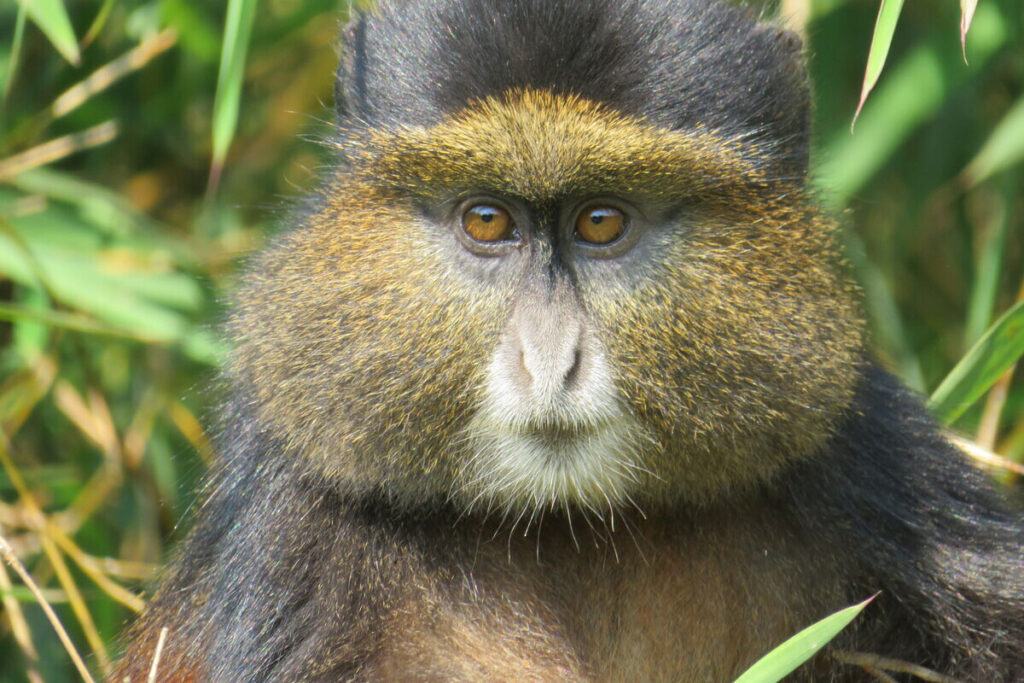
- Golden monkeys
- Forest elephants
- Buffaloes
- Bushbucks
- Giant forest hogs
- More than 200 bird species
- Numerous reptiles and butterflies
The dramatic backdrop of five volcanic peaks makes every trek even more spectacular, offering scenery unlike anywhere else in Africa.
Why Gorilla Trekking in Rwanda Is So Popular.
Rwanda has earned a reputation as one of the best destinations for gorilla trekking, thanks to its exceptional conservation efforts, excellent tourism infrastructure, and relatively accessible trekking routes.
Unlike many wildlife experiences where animals are viewed from vehicles, gorilla trekking is an intimate, guided hike through pristine rainforest. Visitors spend time searching for a habituated gorilla family before enjoying one unforgettable hour observing these incredible primates in their natural environment.
Several factors make Rwanda a preferred destination:
Easy Accessibility
Volcanoes National Park is only about a two-and-a-half-hour drive from Kigali International Airport. This short transfer allows many travelers to arrive in Rwanda and begin their gorilla adventure the very next day, Compared to destinations that require lengthy domestic flights or full-day road journeys, Rwanda offers unmatched convenience.
Well-Organized Tourism
The Rwanda Development Board has established an efficient permit system, experienced ranger teams, and high-quality visitor facilities. Treks are carefully managed to minimize environmental impact while ensuring visitors enjoy a safe and memorable experience.
Outstanding Conservation Success
Revenue generated from gorilla tourism directly supports conservation programs, anti-poaching patrols, veterinary care, habitat protection, and community development projects. By purchasing a gorilla permit, visitors actively contribute to protecting one of the world’s most endangered primates.
Where Is Volcanoes National Park?
Volcanoes National Park lies in Rwanda’s Musanze District, close to the borders of Uganda and the Democratic Republic of the Congo.
The park forms part of the larger Virunga Conservation Area, a chain of protected volcanic mountains shared by the three countries. This region is the only place on Earth where endangered mountain gorillas survive in the wild.
The park encompasses five magnificent volcanoes:
- Karisimbi
- Bisoke
- Muhabura
- Gahinga
- Sabyinyo
These towering mountains create dramatic scenery while providing the perfect habitat for mountain gorillas and countless other wildlife species.
Meet the Mountain Gorillas.
Mountain gorillas are among humanity’s closest relatives, sharing approximately 98% of our DNA. Despite their immense size, they are peaceful, intelligent, and highly social animals that live in family groups led by a dominant silverback.
A typical gorilla family consists of:
- One dominant silverback
- Several adult females
- Juveniles
- Blackbacks
- Curious infants
Watching gorillas interact with one another is an emotional experience. Young gorillas chase each other through the vegetation, mothers gently care for their babies, and the silverback calmly watches over the group.
Many visitors describe this hour with the gorillas as one of the most profound wildlife encounters of their lives.
Gorilla Families in Volcanoes National Park
Volcanoes National Park is home to several habituated gorilla families that visitors can track under the guidance of trained park rangers.
Each family has its own unique characteristics. Some are known for playful infants, while others feature massive silverbacks that have become famous among wildlife photographers.
Every morning, trekking groups are assigned to different gorilla families based on factors such as:
- Visitor fitness levels
- Group size
- Current gorilla locations
- Conservation management requirements
This system helps distribute visitors responsibly while minimizing pressure on individual gorilla groups.
What Happens During Gorilla Trekking?
Many first-time visitors wonder what the trekking experience actually involves. While every trek is different, the overall process follows a similar pattern.
Early Morning Briefing
Trekkers gather at the park headquarters early in the morning for registration and a briefing from experienced park rangers.
During this session, visitors learn:
- Gorilla behavior
- Safety guidelines
- Trekking expectations
- Conservation rules
- Group assignments
Porters are also available to assist with carrying backpacks and providing support during the hike.
Beginning the Trek
After the briefing, visitors drive to the starting point closest to their assigned gorilla family.
The hike then begins through farmland before entering the dense rainforest.
Depending on the gorillas’ movements, trekking can last anywhere from one to six hours. Rangers and trackers remain in constant communication to locate the gorilla family as efficiently as possible.
Along the way, guides share fascinating information about:
- Forest ecology
- Medicinal plants
- Birdlife
- Animal tracks
- Conservation projects
- Local communities
The journey itself becomes an important part of the overall experience.
The Magical Hour with the Gorillas
The moment you finally encounter a gorilla family is unforgettable.
Once the group is located, visitors are allowed exactly one hour to quietly observe the gorillas.
During this time, you may witness:
- Babies climbing trees
- Mothers nursing infants
- Juveniles wrestling
- Silverbacks displaying their strength
- Families feeding on leaves and bamboo
- Social grooming between group members
The experience is remarkably peaceful. Rather than feeling like spectators, visitors become silent guests in the gorillas’ world.
Professional photographers often describe the natural lighting, lush vegetation, and authentic wildlife interactions as some of Africa’s finest photographic opportunities.
Gorilla Trekking Permits
A gorilla trekking permit is mandatory for anyone wishing to visit a habituated gorilla family in Volcanoes National Park.
Because only a limited number of visitors are allowed to trek each gorilla family every day, permits often sell out well in advance, especially during the peak travel seasons.
Booking several months before your travel dates is highly recommended.
Your permit generally includes:
- Park entrance
- Ranger guides
- Gorilla tracking experience
- One hour with the gorillas
- Conservation contribution
Working with an experienced safari operator such as Bamba Safaris can simplify the booking process by arranging permits alongside accommodation, transport, and guided safari packages.
Best Time to Visit Volcanoes National Park
Gorilla trekking takes place throughout the year, making Rwanda an excellent destination in every season. However, weather conditions can influence trail accessibility and hiking comfort.
Dry Seasons
The dry months generally offer the most favorable trekking conditions:
- June to September
- December to February
During these periods, trails are usually firmer and less muddy, making hiking easier. Clearer skies also improve visibility for photography.
Because these months are highly popular, accommodation and gorilla permits should be booked early.
Green Seasons
The rainy seasons occur during:
- March to May
- October to November
Although trails become wetter and more challenging, the rainforest is exceptionally lush and beautiful. Wildlife photography benefits from vibrant green vegetation, while fewer visitors create a quieter trekking experience.
Some lodges may also offer attractive seasonal rates during these months.
How Difficult Is Gorilla Trekking?
Many travelers worry about whether they are fit enough for gorilla trekking. The good news is that people of varying fitness levels successfully complete the experience every year.
The difficulty depends largely on the location of the assigned gorilla family. Some groups remain relatively close to the park boundary, while others move higher into the mountains.
Treks may involve:
- Steep forest trails
- Uneven terrain
- Muddy slopes
- Dense vegetation
- High altitudes reaching over 2,500 meters
Hiring a porter is highly recommended. Besides supporting local livelihoods, porters can carry your daypack and provide assistance on steep sections of the trail, making the hike significantly more comfortable.