How to Plan a Gorilla Trekking Safari from Start to Finish.

Luxury Gorilla and Chimpanzee Safari in East Africa.
April 7, 2026
Best Time to Visit Uganda for Gorilla Trekking.
April 9, 2026
How to Plan a Gorilla Trekking Safari from Start to Finish.
Planning a gorilla trekking safari is an exciting journey that requires thoughtful preparation. From choosing the right destination to securing permits and packing the right gear, every step plays a crucial role in shaping your experience. If done well, your safari in Uganda or Rwanda can become one of the most unforgettable adventures of your life.
In this complete guide, you’ll learn exactly how to plan a gorilla trekking safari from start to finish, with practical tips, expert insights, and clear steps to ensure a smooth and rewarding journey.
Step 1: Choose the Best Destination
To begin with, the first and most important decision is selecting where to go gorilla trekking. In East Africa, there are three main destinations:
- Uganda
- Rwanda
- Democratic Republic of the Congo
However, most travelers choose Uganda or Rwanda due to accessibility, safety, and well developed tourism infrastructure.
Top Parks to Consider.
- Bwindi Impenetrable National Park , Best for variety and affordability
- Mgahinga Gorilla National Park , Ideal for exclusivity and scenic views
- Volcanoes National Park , Perfect for luxury and shorter treks
Ultimately, your choice will depend on your budget, travel style, and time available.
Step 2: Decide the Best Time to Travel.
Timing is equally important when planning your safari. Gorilla trekking is available all year round, but conditions vary depending on the season.
Dry Season (Best Time)
- June to September
- December to February
During these months, trails are drier and easier to navigate. As a result, trekking becomes more comfortable, especially for first time visitors.
Wet Season (Low Season Benefits)
- March to May
- October to November
Although trails can be muddy, the scenery is lush and permits are easier to secure. Therefore, this is a great option for budget travelers.
Step 3: Book Your Gorilla Permit Early.
A gorilla trekking permit is mandatory and one of the most critical parts of your planning process.
In Uganda, permits are issued by the Uganda Wildlife Authority.
Key Details:
- Cost: Approximately $800 per person
- Includes: Park entry, ranger guide, and one hour with gorillas
- Availability: Limited daily
Because permits sell out quickly, especially in peak season, it is highly recommended to book at least 3–6 months in advance.
Step 4: Choose the Right Safari Package.
Next, decide whether you want a budget, mid-range, or luxury safari.
Budget Safaris.
- Basic accommodation
- Shared transport
- Affordable pricing
Mid-Range Safaris.
- Comfortable lodges
- Balanced cost and quality
Luxury Safaris.
- High end lodges and private services
- Personalized experiences
- Premium transport options
Choosing the right package ensures your expectations match your experience.
Step 5: Plan Your Travel Logistics.
Once your permit and package are secured, it’s time to organize your travel.
Arrival Points.
Most safaris start from:
- Entebbe
- Kigali
Getting to the Parks.
You can travel by:
- Road (6–10 hours depending on location)
- Domestic flights (1–2 hours)
For example, flying saves time, while road trips offer scenic views of the countryside.
Step 6: Prepare for the Trekking Experience.
Understanding what to expect helps you prepare physically and mentally.
Trekking Overview:
-
- Duration: 1 to 6 hours
- Terrain: Steep,(forest) paths, sometimes muddy
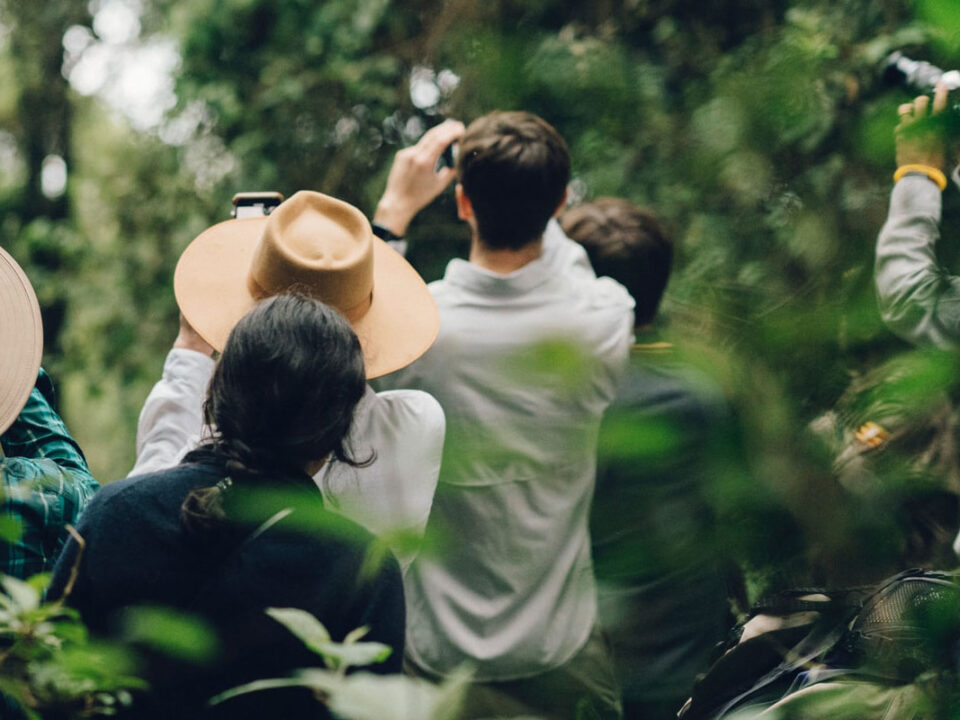
- Group size: Maximum of 8 people
Once you locate the gorillas, you will spend one hour observing them in their natural habitat.
Step 7: Pack the Right Gear.
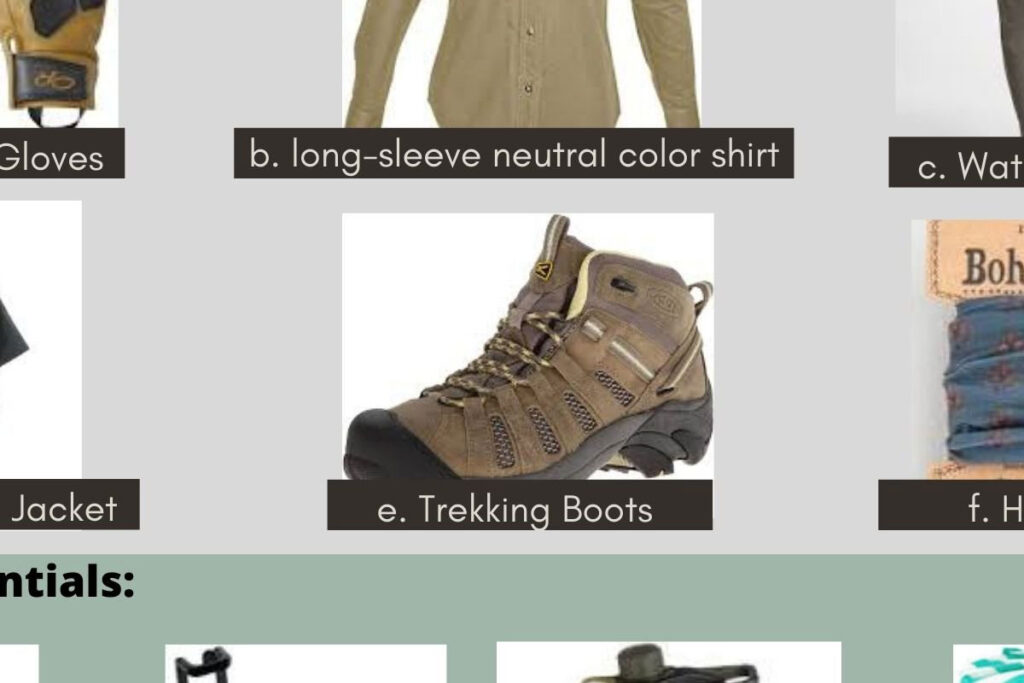
Proper packing is essential for a successful trek.
Must-Have Items:
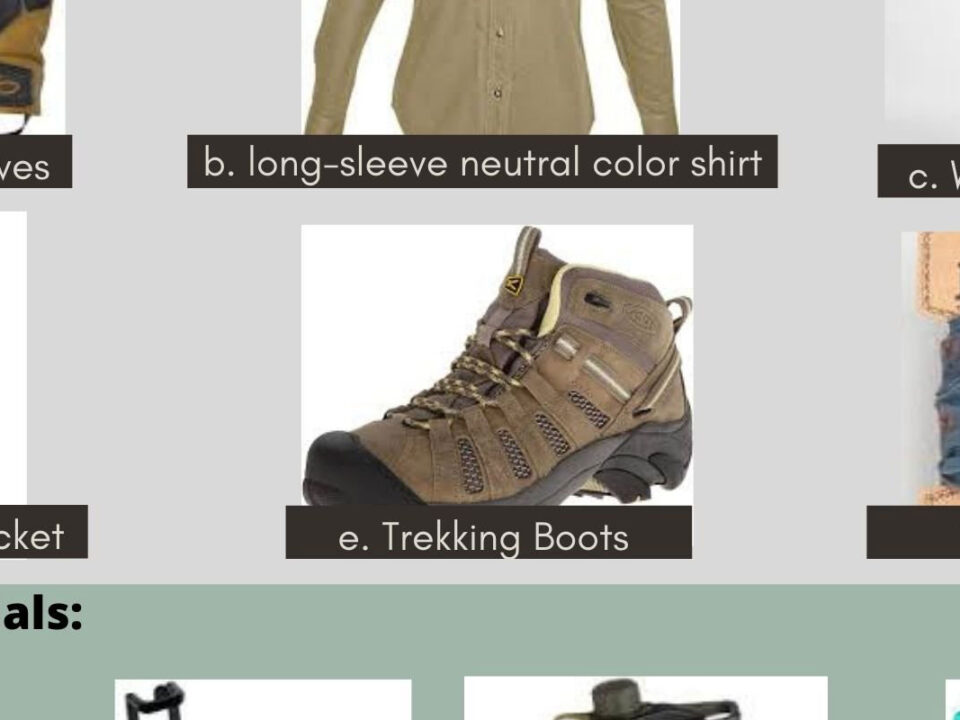
- Waterproof hiking boots
- Long-sleeved shirts and trousers
- Rain jacket
- Gloves for gripping vegetation
- Insect repellent
- Drinking water and snacks
Additionally, hiring a porter is highly recommended. Not only do they assist with carrying your bag, but they also help you navigate difficult terrain.
Step 8: Follow Gorilla Trekking Rules.
To protect both visitors and gorillas, strict guidelines are enforced.
- Maintain a distance of at least 7 meters
- Do not touch the gorillas
- Avoid flash photography
- Do not trek if you are sick
- Follow ranger instructions at all times
These rules ensure a safe and sustainable experience for everyone involved.
Step 9: Choose the Right Accommodation.
Accommodation plays a big role in your overall experience.
Options Include:
- Luxury lodges with premium services
- Mid-range lodges with great comfort
- Budget camps for cost conscious travelers
Staying near your trekking sector, especially in Bwindi Impenetrable National Park, helps reduce travel time on the day of your trek.
Step 10: Add Extra Safari Experiences.
To make your trip even more rewarding, consider combining gorilla trekking with other activities.
- Chimpanzee tracking in Kibale National Park
- Game drives in Queen Elizabeth National Park
- Boat safaris along the Kazinga Channel
- Cultural visits to local communities
These additions provide a more complete African safari experience.
Step 11: Budget for Your Safari.
Your total cost will depend on your travel style.
Estimated Costs:
- Budget: $1,200 – $1,800
- Mid-range: $2,000 – $3,500
- Luxury: $4,000+
This usually includes permits, accommodation, transport, meals, and guide services.
Step 12: Work with a Trusted Tour Operator.
Finally, partnering with a reliable tour operator like Bamba Safaris simplifies the entire process.
Benefits include:
- Expert itinerary planning
- Permit booking assistance
- Professional guides
- Seamless logistics
As a result, you can focus on enjoying your adventure rather than worrying about details
Planning a gorilla trekking safari may seem complex at first. However, by following these steps from choosing your destination to booking permits and preparing for the trek you can create a smooth and unforgettable experience.
Whether you explore the dense forests of Bwindi Impenetrable National Park or the scenic landscapes of Mgahinga Gorilla National Park, every moment brings you closer to nature in its purest form.
Start Your Gorilla Trekking Journey Today.
At Bamba Safaris, we specialize in crafting personalized gorilla trekking safaris tailored to your needs. From securing permits to arranging luxury lodges, we handle every detail with precision.
Now is the perfect time to plan your gorilla trekking safari, an adventure that promises breathtaking encounters, unforgettable memories, and a deep connection with the wild.