Best Time to Visit Uganda for Gorilla Trekking.

How to Plan a Gorilla Trekking Safari from Start to Finish.
April 9, 2026
Budget Gorilla Trekking Uganda.
April 9, 2026
Best Time to Visit Uganda for Gorilla Trekking: A Complete Safari Guide
Best time to visit Uganda for Gorilla Trekking, Planning a gorilla trekking safari in Uganda is one of the most exciting decisions any traveler can make. However, choosing the best time to visit is equally important. The timing of your trip affects everything from trail conditions and permit availability to photography and overall comfort.
Fortunately, Uganda offers year round gorilla trekking opportunities. Yet, each season comes with its own advantages. Therefore, understanding these seasonal differences will help you plan a smoother, more rewarding safari.
Understanding Uganda’s Climate and Trekking Seasons.
Uganda has a tropical climate with two main seasons: dry seasons and wet (rainy) seasons. Gorilla trekking mainly takes place in southwestern Uganda, particularly in Bwindi Impenetrable National Park and Mgahinga Gorilla National Park.
Because these parks are located in rainforest regions, expect some level of rainfall throughout the year. Nevertheless, seasonal patterns still play a major role in shaping your trekking experience.
Dry Season: The Best Time for Gorilla Trekking.
When It Occurs
- June to September
- December to February
Why It’s the Ideal Time
The dry season is widely considered the best time to visit Uganda for gorilla trekking, especially for first-time visitors.

To begin with, trekking trails are much easier to navigate. Because rainfall is minimal, paths are less muddy and more stable. As a result, hiking becomes more comfortable and less physically demanding.
In addition, visibility in the forest improves significantly. Thinner vegetation and brighter conditions make it easier to spot gorillas and take clear photographs.
Moreover, this season coincides with peak safari months. Therefore, lodges, guides, and services operate at full capacity, ensuring a well-organized experience.
Things to Keep in Mind.
On the other hand, demand is high during this period. Gorilla permits issued by the Uganda Wildlife Authority sell out quickly. Consequently, you should book at least 3–6 months in advance.
Prices for accommodation may also be higher. However, the overall ease and comfort often justify the cost.
Wet Season: A Hidden Opportunity.
When It Occurs
- March to May
- October to November
Why You Should Consider It.
Although often overlooked, the rainy season offers unique advantages for gorilla trekking.
First, the landscapes become incredibly lush and vibrant. The rainforest is at its most beautiful, providing a dramatic and photogenic backdrop.
Additionally, fewer tourists visit during this time. As a result, you enjoy a quieter, more intimate experience in the forest.
Another key benefit is availability. Gorilla permits are easier to secure, and some lodges offer discounted rates. Therefore, this season is ideal for budget conscious travelers seeking value.
Challenges to Expect.
However, trekking conditions can be more demanding. Trails are often muddy and slippery, which can make hiking more challenging.
Rain showers may occur unexpectedly. Even so, with proper gear and preparation, the experience remains equally rewarding.
Month-by-Month Guide.
To help you plan more precisely, here’s a breakdown of what to expect throughout the year:
January to February
These are dry months with excellent trekking conditions. Trails are manageable, and wildlife viewing is at its best.
March to May
This is the long rainy season. While trekking can be tougher, you benefit from fewer crowds and lower costs.
June to September
Peak season for gorilla trekking. Conditions are ideal, making it the most popular time to visit.
October to November
Short rains occur, but they are less intense. This period offers a good balance between affordability and manageable trekking conditions.
December
A festive travel month with favorable weather and high demand. Early booking is essential.
Choosing the Best Time Based on Your Travel Goals.
For Easy Trekking and Comfort
Without a doubt, the dry season is your best option. Trails are easier, and the overall experience is smoother.
For Budget Travelers
The wet season offers excellent value. Lower prices and fewer crowds make it an attractive choice.
For Photography Lovers
Both seasons have advantages. Dry months provide clear shots, while rainy months offer lush, dramatic scenery.
For Exclusive Experiences
Traveling during the rainy season ensures fewer tourists and a more private safari atmosphere.
How Weather Affects Gorilla Trekking.
Weather plays a significant role, but it rarely disrupts trekking completely. Gorilla trekking is conducted daily, regardless of rain.
Interestingly, gorillas tend to stay closer to lower altitudes during wet seasons where food is abundant. This can sometimes result in shorter trekking distances.
Temperatures remain fairly stable throughout the year, typically ranging between 10°C and 25°C. Therefore, layering your clothing is essential.
What to Pack for Different Seasons.
Packing correctly ensures a comfortable and successful trek.
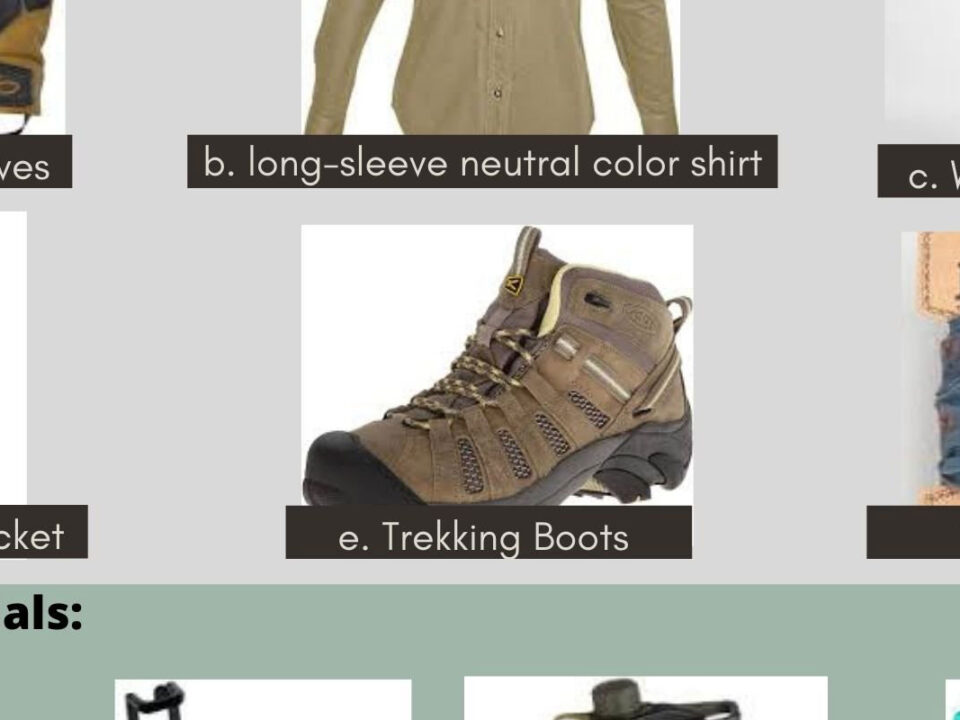
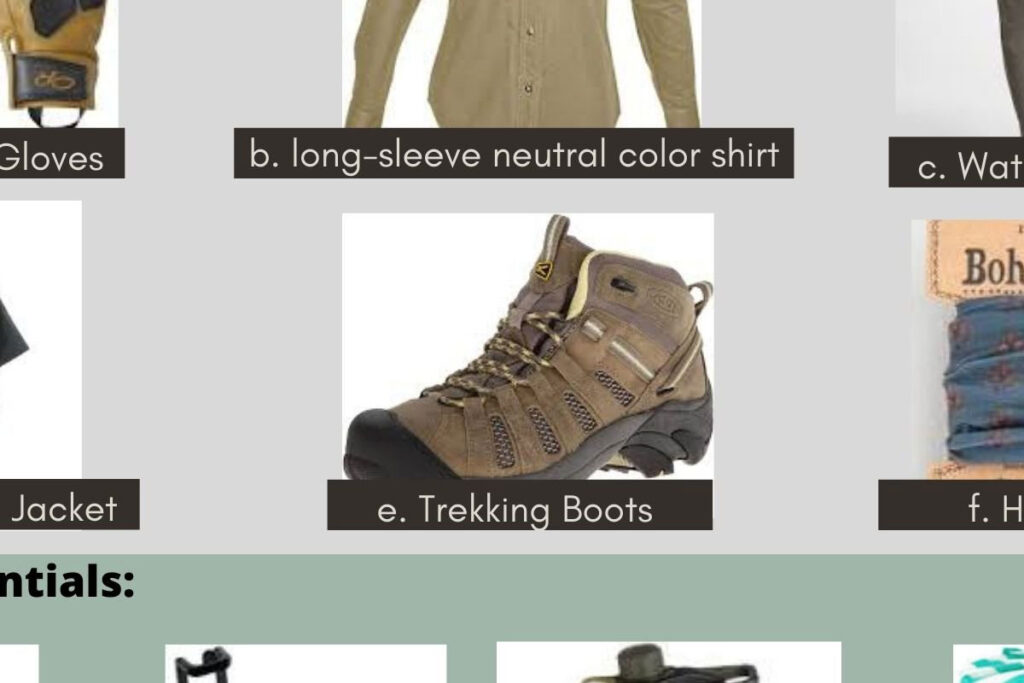
Essential Items.
- Waterproof hiking boots
- Long sleeved clothing
- Rain jacket (especially during wet months)
- Gloves for gripping vegetation
- Insect repellent
- Drinking water
During the rainy season, waterproof gear becomes even more important.
Combining Gorilla Trekking with Other Experiences.
Timing your visit also affects other safari activities.
For example:
- Game drives in Queen Elizabeth National Park are best during dry months when animals gather around water sources.
- Chimpanzee tracking in Kibale National Park is available year-round but easier in drier conditions.
Therefore, aligning your travel dates with multiple activities enhances your overall safari experience.
Important Travel Tips.
To make the most of your trip:
- Book permits well in advance
- Choose accommodation near your trekking sector
- Hire a porter for assistance during the trek
- Stay flexible with your itinerary
- Follow all park guidelines
These small steps can significantly improve your experience.
When is the Best Time?
In conclusion, the best time to visit Uganda for gorilla trekking depends on your preferences.
If you prioritize comfort, ease, and clear conditions, the dry season is the perfect choice. On the other hand, if you value fewer crowds, lush scenery, and better deals, the wet season offers incredible opportunities.
Regardless of when you visit Bwindi Impenetrable National Park or Mgahinga Gorilla National Park, the experience of encountering mountain gorillas in the wild is truly unforgettable.
Plan Your Gorilla Trekking Safari with Confidence.
At Bamba Safaris, we help you choose the perfect time based on your travel goals, budget, and expectations. From securing permits to arranging accommodation and transport, we ensure a seamless journey from start to finish.
Now that you understand the best time to visit, the next step is simple, start planning your gorilla trekking safari in Uganda and experience the magic of the wild.