Chimpanzee Civil War in Kibale Forest National Park.

Kigali to Volcanoes National Park: Complete Travel Guide for 2026.
September 7, 2026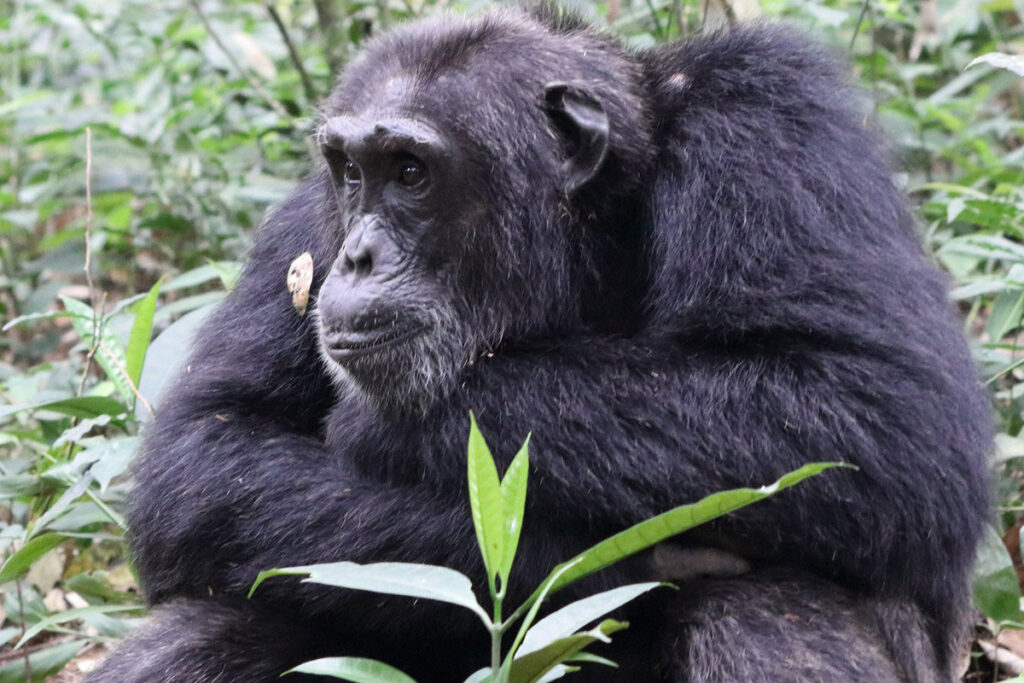
Chimpanzee Civil War in Kibale Forest National Park.
Chimpanzee civil war in Kibale Forest National Park is one of the most fascinating and complex wildlife stories in Uganda. Deep inside the forest chimpanzee communities compete for territory resources and social influence. These conflicts can become intense and may involve coordinated attacks between neighboring groups.
For travelers planning a chimpanzee trekking experience in Kibale Forest National Park this behavior adds another layer to understanding these remarkable primates. Chimpanzees are not simply peaceful forest animals. They live in highly organized communities with strong social relationships and complicated territorial behavior.
Kibale Forest is particularly important for studying chimpanzees because it supports one of Africa’s most significant populations of these great apes. Researchers have spent decades observing their relationships movement communication reproduction and territorial conflicts.
Understanding chimpanzee warfare helps visitors appreciate why conservation is so important. It also reveals just how closely chimpanzee societies can resemble some aspects of human social behavior.
What Is Chimpanzee Civil War?
Chimpanzee civil war refers to prolonged territorial conflict between neighboring chimpanzee communities. Unlike a human war the conflict does not involve formal armies or weapons. Instead male chimpanzees may patrol the boundaries of their territory and confront members of rival communities.
These patrols can become dangerous when one group encounters a vulnerable member of another group.
Male chimpanzees often form strong alliances. They may travel together along territorial boundaries and respond collectively when they detect neighboring chimpanzees.
The main goal is usually territorial control.
A community with access to a larger or more productive territory may have better access to food water nesting sites and opportunities for reproduction. As a result territory can have a direct impact on the survival and reproductive success of a chimpanzee community.
Why Do Chimpanzees Fight?
Chimpanzee conflicts are driven by several factors. Territory is one of the most important.
A chimpanzee community needs enough forest to support its members. When neighboring groups compete for the same resources tension can increase.
Food availability also plays a role. Kibale Forest provides chimpanzees with fruits leaves seeds insects and other foods. When resources are abundant communities may have fewer reasons to enter dangerous confrontations. However competition can become more intense when food resources are limited.
Reproduction is another major factor.
Male chimpanzees may gain reproductive opportunities by controlling territory and forming strong social alliances. By defending their community they can protect access to females and resources.
Therefore chimpanzee warfare is not caused by a single issue. It results from a combination of territory resources social relationships and reproductive competition.
The Ngogo Chimpanzees of Kibale Forest.
The chimpanzees at Ngogo are among the best studied wild chimpanzees in the world. Ngogo is located within Kibale Forest National Park and has attracted researchers because of its unusually large chimpanzee community.
Long-term research at Ngogo has provided valuable information about chimpanzee society and behavior.
Researchers have observed male alliances territorial patrols hunting social relationships and conflicts between neighboring communities.
The Ngogo chimpanzees demonstrate how complex chimpanzee societies can become. Males often cooperate closely with one another even though they also compete for status and reproductive opportunities.
This combination of cooperation and competition is one of the most interesting features of chimpanzee society.
How Chimpanzee Territorial Patrols Work.
Territorial patrols are an important part of chimpanzee life.
A group of males may leave the main community and move quietly through the edges of their territory. Unlike ordinary movement through the forest a patrol can be highly focused.
The chimpanzees may listen carefully for sounds from neighboring communities. They may also inspect signs of other chimpanzees.
If they encounter members of another community the situation can quickly become tense.
The patrolling males may display aggressive behavior such as loud vocalizations charging or physical confrontation.
In some cases a patrol may encounter a single chimpanzee that has moved away from its community. This can create a particularly dangerous situation for the isolated individual.
Why Male Chimpanzees Lead the Conflict.
Male chimpanzees usually play the most prominent role in territorial defense.
This is connected to the social structure of chimpanzee communities. Males generally remain in the community where they were born while females often transfer to other communities after reaching maturity.
Because males remain together for much of their lives they develop strong relationships with one another.
These relationships can become powerful alliances.
A male chimpanzee may cooperate with other males to patrol territory defend the community and compete for social status.
This cooperation is one reason chimpanzees are so interesting to researchers studying the origins of human social behavior.
Do Chimpanzees Actually Kill Each Other?
Yes. Chimpanzees can kill members of neighboring communities during territorial conflicts.
However this does not mean that every encounter between chimpanzee communities becomes violent.
Most encounters do not necessarily result in a fatal attack. Chimpanzees often use vocalizations displays and intimidation to establish dominance and defend their territory.
The greatest danger can occur when several males have a numerical advantage over an isolated chimpanzee.
Researchers have documented lethal intercommunity aggression in wild chimpanzees. Such observations have helped scientists understand the serious consequences of territorial competition.
What Happens During a Chimpanzee Attack?
Chimpanzee attacks can be sudden and highly coordinated.
A group of males may surround or chase a rival. Several individuals can participate while others remain nearby.
Chimpanzees have considerable physical strength. They also possess powerful jaws and sharp canine teeth.
However attacks are not simply random acts of aggression. They are often connected to the broader social and territorial structure of the community.
After an encounter the winning group may strengthen its control over part of the disputed territory.
Over time these repeated interactions can influence the size and boundaries of chimpanzee communities.
Chimpanzee Warfare and Human Evolution.
One reason chimpanzee civil war attracts so much scientific interest is its possible connection to understanding human evolution.
Humans and chimpanzees share a common ancestor. Therefore studying chimpanzee behavior can provide researchers with clues about the social behavior of our ancient relatives.
Chimpanzees demonstrate cooperation conflict reconciliation political alliances and territorial defense.
At the same time humans and chimpanzees are very different. Chimpanzee behavior should not be treated as a direct explanation for human warfare.
Instead it offers researchers another perspective on how cooperation and competition may have developed in primate societies.
The Role of Alliances in Chimpanzee Society.
Chimpanzee communities are built around relationships.
Male chimpanzees frequently cooperate with one another. They groom each other share social space and support one another during conflicts.
These relationships can influence social rank.
A chimpanzee with strong allies may have greater influence within the community. Consequently social relationships can be just as important as physical strength, This makes chimpanzee society remarkably sophisticated.
A male may cooperate with another chimpanzee during a territorial patrol while competing with the same individual for access to females or social status.
This balance between cooperation and competition is a defining feature of chimpanzee social life.
How Kibale Forest Supports Chimpanzee Populations.
Kibale Forest National Park provides critical habitat for chimpanzees and many other wildlife species.
The forest contains diverse vegetation that provides food and shelter throughout the year. Its extensive woodland also gives chimpanzee communities enough space to establish territories.
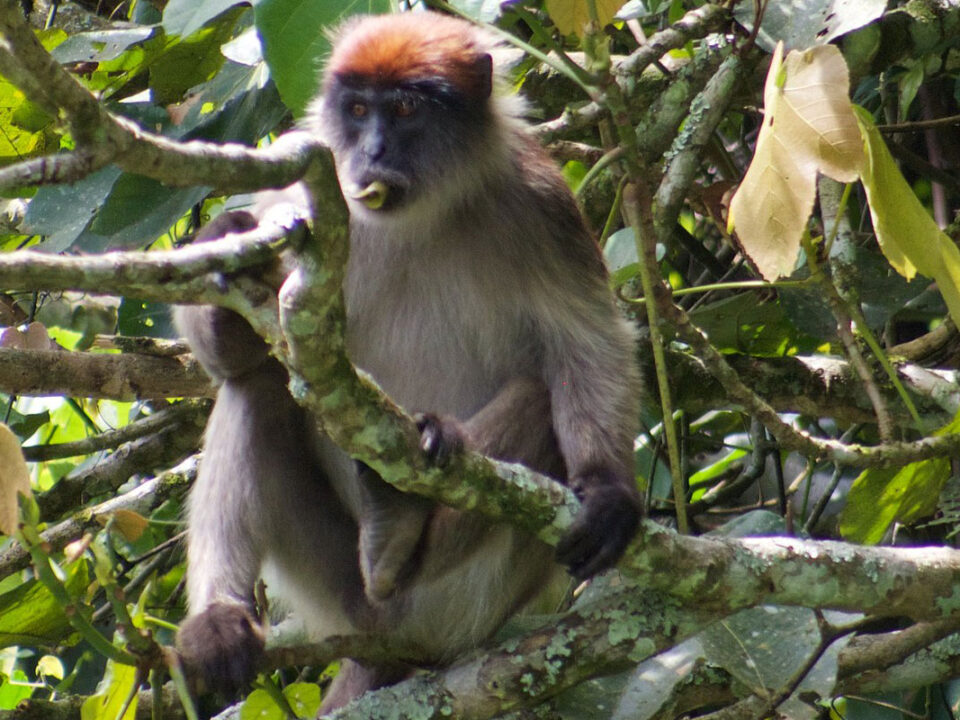
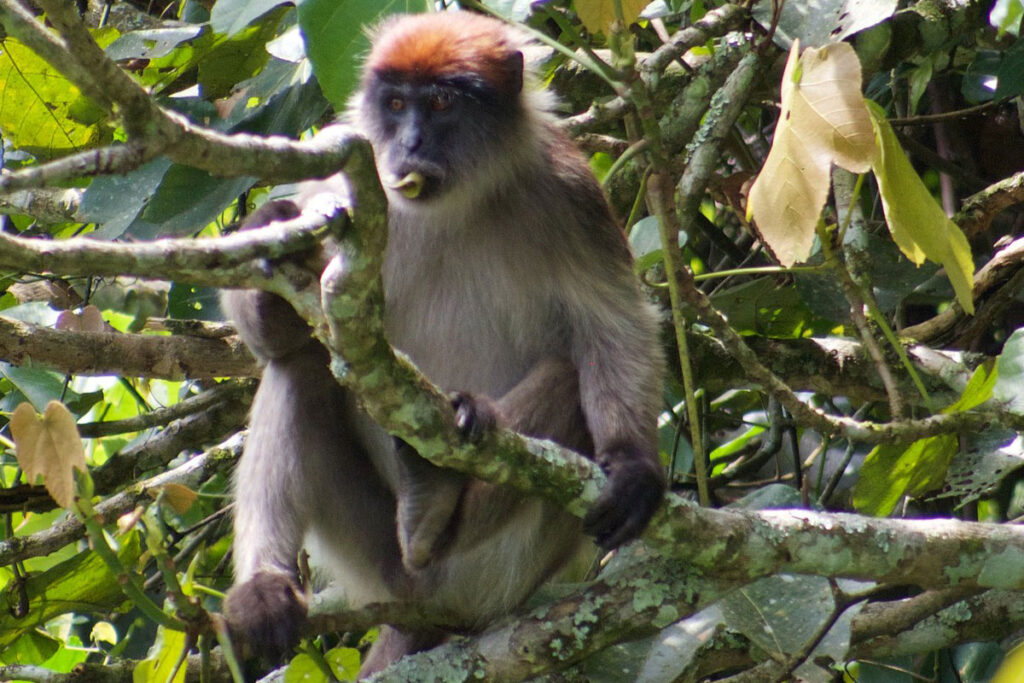
Kibale is home to several primate species. In addition to chimpanzees visitors may encounter red colobus monkeys black-and-white colobus monkeys blue monkeys and L’Hoest’s monkeys.
The forest is therefore much more than a destination for chimpanzee trekking. It is an important ecosystem that supports exceptional biodiversity.
Protecting this habitat is essential for the long-term survival of chimpanzees.
Chimpanzee Research in Kibale Forest.
Long-term research has transformed our understanding of chimpanzees in Kibale.
Researchers have spent years following individual chimpanzees and recording their behavior. Over time they can identify individuals understand family relationships and track changes within communities.
This type of research is especially valuable because chimpanzee behavior cannot be fully understood through short visits.
Long-term observations reveal patterns that may take years to become clear.
Research at places such as Ngogo has contributed significantly to scientific knowledge about chimpanzee social behavior territoriality hunting cooperation and reproduction.
For visitors this research creates an opportunity to see wildlife from a deeper perspective.
Can Tourists See Chimpanzee Civil War?
Visitors taking part in chimpanzee trekking in Kibale may observe social interactions between chimpanzees. However witnessing an actual territorial conflict is uncommon.
Chimpanzees move through a large natural forest and their behavior cannot be predicted.
A typical trek may involve watching chimpanzees feed climb trees groom each other communicate or move through the canopy.
Sometimes visitors may hear loud chimpanzee calls from a distance. These vocalizations can reveal important information about what is happening elsewhere in the forest.
Even without witnessing a conflict the experience provides valuable insight into chimpanzee society.
Chimpanzee Trekking in Kibale Forest.
Chimpanzee trekking is one of the most popular activities in Kibale Forest National Park.
Visitors enter the forest with trained guides and search for habituated chimpanzee communities.
Unlike gorilla trekking chimpanzee trekking can involve fast movement because chimpanzees are highly active. They may travel through the forest floor or move quickly through the trees.
The experience can therefore feel dynamic and unpredictable.
Once the chimpanzees are located visitors can observe their behavior while following park guidelines.
Your guide will explain the sounds movements and interactions you encounter during the trek.
Best Time to See Chimpanzees in Kibale.
Chimpanzee trekking is possible throughout the year.
However many travelers prefer the drier periods because forest trails are generally easier to navigate.
The months from June to August and December to February are often popular for wildlife activities in Uganda.
The wetter months can also be rewarding. The forest becomes lush and food availability may influence chimpanzee movements.
Since chimpanzees remain in Kibale throughout the year your choice of travel season can depend on your wider Uganda safari itinerary.
How to Prepare for Chimpanzee Trekking.
Proper preparation can make your experience more enjoyable.
Wear comfortable hiking shoes because trails can become muddy and slippery.
Long trousers and long-sleeved clothing can help protect you from vegetation and insects. A lightweight rain jacket is also useful because Kibale is a rainforest environment.
Bring drinking water and a small backpack for personal items.
A camera with extra batteries is recommended because you may encounter chimpanzees in different parts of the forest.
Most importantly follow the instructions provided by your guide.
Wild chimpanzees are powerful animals. Maintaining a respectful distance protects both visitors and wildlife.
Why Chimpanzee Conservation Matters.
Chimpanzees face several threats across their natural range.
Habitat loss remains one of the biggest challenges. Forests are increasingly affected by agriculture settlement infrastructure development and other human activities.
Hunting and illegal wildlife trade can also threaten wild chimpanzee populations.
Conservation therefore requires more than protecting individual animals. It requires protecting entire ecosystems.
Kibale Forest National Park plays a major role in this effort by preserving important chimpanzee habitat.
Tourism can contribute to conservation when it is managed responsibly. Park fees support protected areas while local employment and tourism businesses create economic benefits for surrounding communities.
How Tourists Can Support Chimpanzee Conservation.
Visitors can contribute to conservation in several ways.
First choose a responsible safari operator that follows wildlife regulations.
Second respect the instructions of park guides during chimpanzee trekking.
Third avoid purchasing wildlife products made from protected animals.
You can also support community tourism initiatives and businesses that contribute to local livelihoods.
Finally share accurate information about chimpanzee conservation with other travelers.
Small responsible choices can make a meaningful difference when thousands of visitors travel through the region each year.
Chimpanzee Civil War Shows the Complexity of Wildlife.
Chimpanzee civil war in Kibale Forest National Park reveals just how complex wild chimpanzee societies can be.
These great apes form strong friendships and alliances. They cooperate to defend territory while competing for food social status and reproductive opportunities.
Their conflicts may appear surprising to visitors. However these behaviors are part of a sophisticated social system that has developed over generations.
For anyone planning chimpanzee trekking in Kibale understanding this behavior can make the experience much more meaningful.
You are not simply entering a forest to look for monkeys. You are entering the world of one of our closest living relatives.
Plan Your Chimpanzee Experience in Kibale.
Kibale Forest National Park is one of the best places in Africa to experience wild chimpanzees.
Whether you are interested in primate photography wildlife research or simply want an unforgettable forest adventure the park offers an exceptional experience.
Chimpanzee civil war is only one part of the story. The forest also reveals cooperation parenting communication friendship hunting and reconciliation.
Therefore a chimpanzee trek should be viewed as more than a wildlife encounter. It is an opportunity to understand the remarkable social lives of chimpanzees while supporting the conservation of one of Uganda’s most important forests.
If you are planning a Uganda safari that includes chimpanzee trekking consider adding Kibale Forest to your itinerary. The experience can be combined with other destinations such as Queen Elizabeth National Park Bwindi Impenetrable National Park or the Rwenzori Mountains.
With good planning Kibale can become one of the most memorable stops on your Uganda safari.