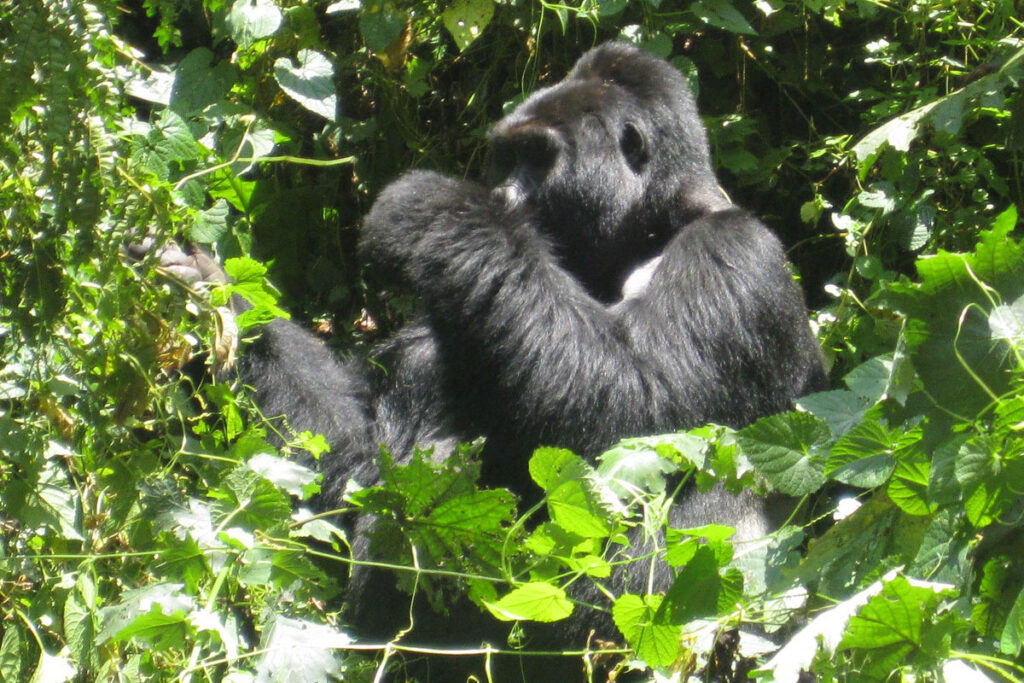
Photography Tips for Capturing Bwindi’s Wildlife.

Guide to the Best Lodges and Camps Near Bwindi National Park.
May 25, 2026
Cultural Experiences with Indigenous Batwa People in Bwindi.
June 6, 2026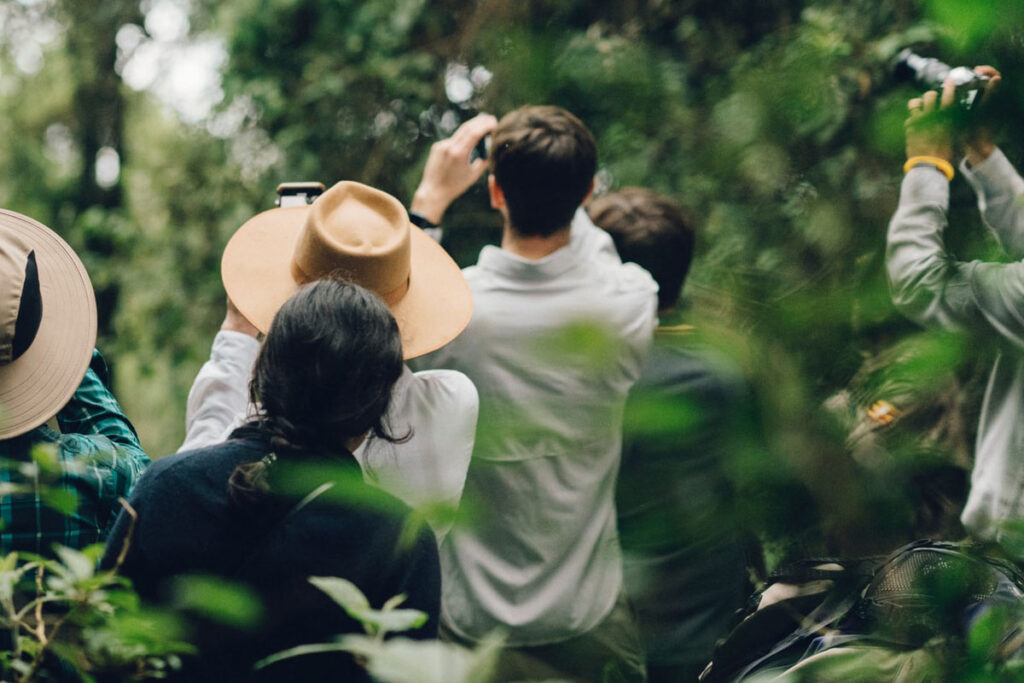
Photography Tips for Capturing Bwindi’s Wildlife: A Complete Guide for Stunning Shots.
If you’ve ever dreamed of photographing wildlife in one of Africa’s most breathtaking forests, Bwindi Impenetrable National Park should be at the top of your list. Known for its dense vegetation and incredible biodiversity, Bwindi offers a rare opportunity to capture everything from elusive forest birds to the majestic mountain gorillas. However, photographing in this environment comes with unique challenges and that’s exactly why preparation matters.
In this guide, you’ll learn practical, field tested photography tips to help you capture powerful, professional quality wildlife images in Bwindi. Whether you’re a beginner or an experienced photographer, these insights will elevate your results.
1. Understand Bwindi’s Unique Environment.
Before you even pick up your camera, it’s essential to understand what makes Bwindi different. The forest is thick, humid, and often dimly lit. As a result, lighting conditions can change rapidly, especially under the dense canopy.
Because of this, you’ll need to adapt quickly. For example, low light means slower shutter speeds or higher ISO settings. At the same time, moving animals demand sharp focus. Balancing these factors is key to getting a great shot.
Additionally, the terrain is uneven and sometimes slippery. Therefore, stability and mobility should always be part of your shooting strategy.
2. Choose the Right Camera Gear.
The gear you bring can make or break your photography experience. While you don’t need the most expensive equipment, having the right tools will significantly improve your results.
Essential Equipment:
- DSLR or Mirrorless Camera: Offers better control over settings
- Telephoto Lens (200mm–400mm): Perfect for wildlife at a distance
- Fast Lens (f/2.8 – f/4): Helps in low-light conditions
- Extra Batteries: Cold and humidity drain power quickly
- Weather Protection: Rain covers or waterproof bags
Moreover, avoid carrying too much gear. Since trekking through Bwindi can be physically demanding, a lighter setup will help you stay focused and agile.
3. Master Your Camera Settings
In Bwindi, auto mode often won’t deliver the best results. Instead, you should take control of your camera settings.
Key Settings to Adjust:
- ISO: Start around 800–1600 due to low light
- Aperture: Use a wide aperture (f/2.8–f/5.6) for better light intake
- Shutter Speed: Keep it above 1/250s for moving subjects
- Focus Mode: Continuous autofocus (AI Servo / AF-C) works best for wildlife
Because lighting changes frequently, it’s important to adjust these settings quickly. Practice beforehand so you can react without hesitation.
4. Use Natural Light to Your Advantage.
Lighting in Bwindi can be tricky, but it can also be incredibly rewarding. Soft, filtered light through the forest canopy often creates a magical atmosphere.
Instead of fighting the light, work with it:
- Shoot during early morning or late afternoon
- Position yourself so light falls on your subject’s face
- Avoid harsh midday light when possible
In addition, try using backlighting creatively. For example, sunlight filtering through leaves can create dramatic silhouettes or glowing effects around animals.
5. Focus on Composition and Storytelling
A technically correct photo isn’t always a compelling one. To truly stand out, your images should tell a story.
Composition Tips:
- Use the rule of thirds to frame your subject
- Include natural elements like branches or leaves for depth
- Capture eye contact to create emotional impact
- Shoot from different angles don’t always stay at eye level
Furthermore, think beyond a single shot. Try to capture a sequence an animal feeding, moving, or interacting. This adds narrative value to your photography.
6. Be Patient and Observant.
Wildlife photography in Bwindi is not about rushing. In fact, patience is one of your most valuable tools.
Animals won’t always appear immediately. However, if you stay quiet and observant, you’ll start noticing subtle movements rustling leaves, distant calls, or shifting shadows.
Because of this, always keep your camera ready. The best moments often happen unexpectedly.
7. Respect Wildlife and Follow Guidelines.
While capturing incredible images is exciting, it should never come at the expense of wildlife safety.
In Bwindi Impenetrable National Park, especially during gorilla trekking, strict rules are in place:
- Maintain a safe distance (usually 7 meters)
- Avoid using flash photography
- Stay calm and quiet
- Follow your guide’s instructions at all times
Not only do these rules protect animals, but they also ensure your safety. Ethical photography always leads to more authentic and meaningful images.
8. Stabilize Your Shots
Given the low light and long lenses, camera shake can easily ruin your photos. Therefore, stability is crucial.
Ways to Improve Stability:
- Use a monopod instead of a tripod for mobility
- Lean against trees for support
- Control your breathing when shooting
- Use image stabilization features on your lens
Even small adjustments can make a big difference in sharpness.
9. Capture More Than Just Gorillas
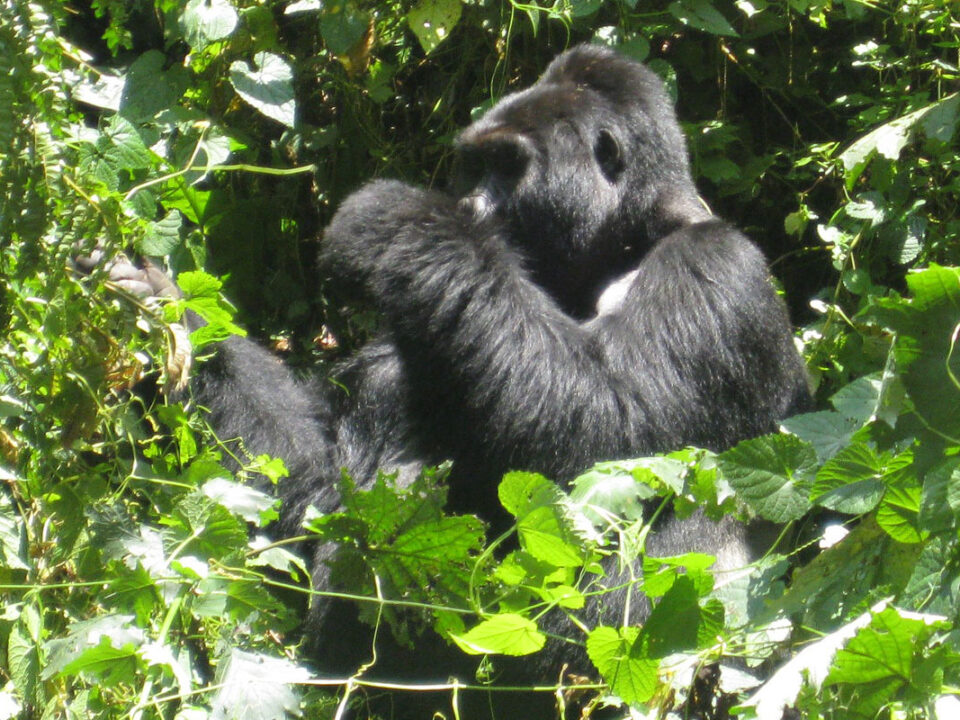
Although mountain gorillas are the main attraction, Bwindi is home to many other fascinating species. Expanding your focus will enrich your portfolio.
Look out for:
- Colorful forest birds
- Butterflies and insects
- Monkeys and small mammals
- Unique plant life
By diversifying your subjects, you not only improve your skills but also tell a fuller story of the ecosystem.
10. Edit Your Photos Thoughtfully
Post-processing is where your images truly come to life. However, the goal is to enhance not overdo.
Editing Tips:
- Adjust exposure and contrast carefully
- Enhance colors while keeping them natural
- Reduce noise from high ISO shots
- Crop for better composition if needed
Tools like Adobe Lightroom or Capture One can help you refine your images efficiently.
11. Prepare Physically and Mentally
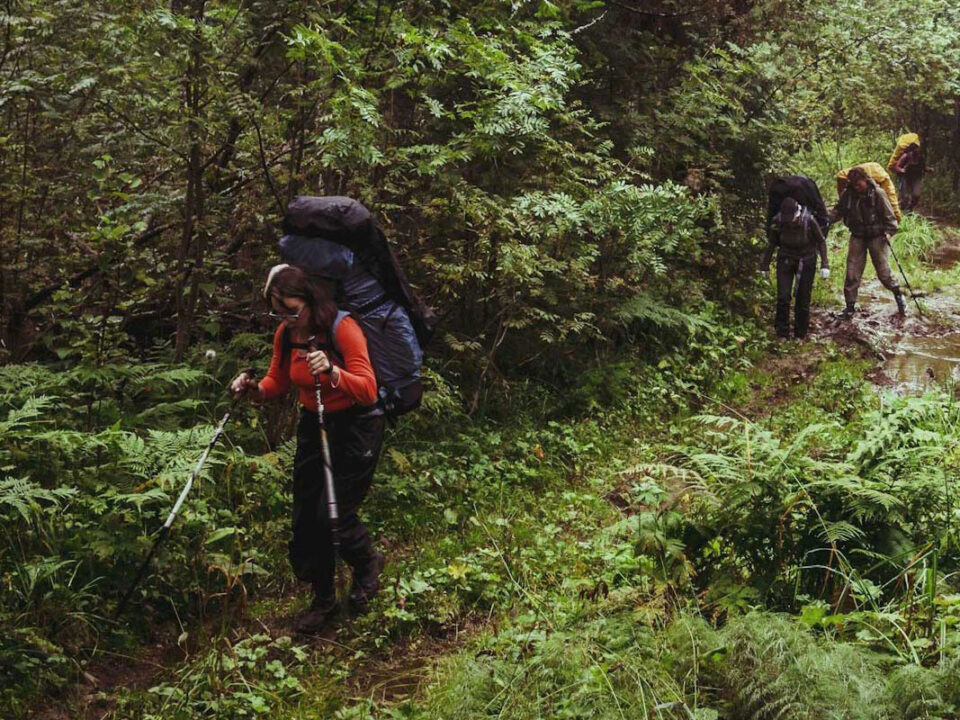
Photographing in Bwindi isn’t just about skill it’s also about endurance. Trekking can last several hours through dense forest.
Therefore:
- Wear comfortable hiking gear
- Stay hydrated
- Protect your equipment from moisture
- Keep a positive mindset
When you’re physically prepared, you can focus fully on capturing great shots.
12. Work with Local Guides
Finally, never underestimate the value of local knowledge. Guides in Bwindi Impenetrable National Park understand animal behavior and know the best spots for sightings.
Because of their expertise, you’ll:
- Find wildlife faster
- Learn about animal habits
- Position yourself better for photography
In many cases, the difference between an average and an extraordinary shot comes down to being in the right place at the right time.
Final Thoughts
Photographing wildlife in Bwindi Impenetrable National Park is both challenging and deeply rewarding. With the right preparation, patience, and technique, you can capture images that not only look stunning but also tell powerful stories.
To summarize, focus on mastering your camera settings, adapting to the environment, and respecting the wildlife around you. At the same time, don’t forget to enjoy the experience because sometimes, the most unforgettable moments aren’t just captured through the lens, but lived in real time, So pack your gear, step into the forest, and let Bwindi inspire your next masterpiece.