Gorilla Trekking vs Gorilla Habituation in Uganda.

Gorilla and Chimpanzee Trekking Safari in Uganda.
April 26, 2026
Why Plan a Gorilla and Wildlife Safari in Uganda.
April 28, 2026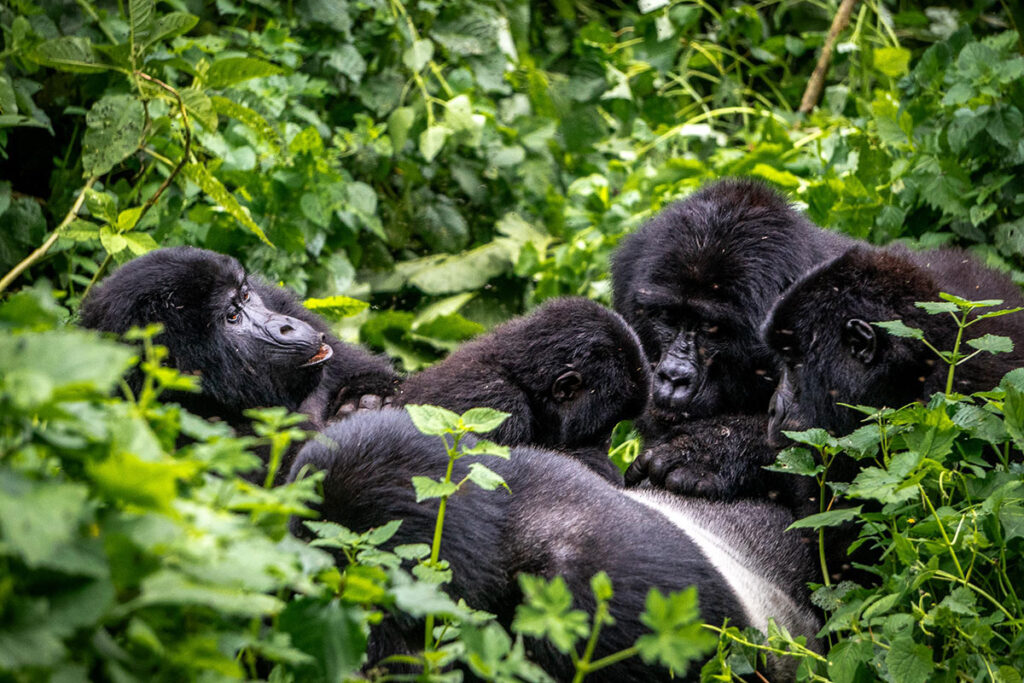
Gorilla Trekking vs Gorilla Habituation in Uganda: Which Experience Is Right for You?
Gorilla trekking vs Gorilla habituation in Uganda, Uganda is one of the best places in the world to encounter endangered mountain gorillas in their natural habitat. For travelers planning a once-in-a-lifetime safari, one common question comes up: Should you choose gorilla trekking or gorilla habituation in Uganda?
Both experiences are unforgettable, emotional, and deeply rewarding. However, they are very different in terms of time spent with gorillas, cost, exclusivity, and overall adventure level.
At Bamba Safaris, we help travelers choose the perfect gorilla safari based on their budget, interests, and travel style. In this guide, we’ll break down the differences between gorilla trekking and gorilla habituation in Uganda so you can decide which experience is best for you.
What Is Gorilla Trekking in Uganda?
Gorilla trekking is Uganda’s most popular wildlife adventure. It involves hiking through the dense forests of Bwindi Impenetrable National Park or Mgahinga Gorilla National Park in search of a fully habituated gorilla family.
A habituated gorilla family is already accustomed to human presence, meaning they are comfortable being observed at a safe distance.
Once you find the gorillas, you are allowed to spend one magical hour watching them interact, feed, groom, and play.
This one hour often becomes the highlight of an entire African safari.
What to Expect During Gorilla Trekking.
Your day begins early in the morning with a briefing by park rangers. You’ll then be assigned a gorilla family and begin trekking through thick forest, steep hills, and muddy trails.
The trek can last anywhere from 1 to 6 hours or more, depending on the location of the gorilla family.
Once located, you’ll spend one hour with them before hiking back.
Gorilla Trekking Permit Cost in Uganda.
As of 2026, gorilla trekking permits in Uganda cost approximately:
- USD 800 per person for foreign non-residents
- USD 700 for foreign residents
- UGX 300,000 for East African citizens
Permits are issued by the Uganda Wildlife Authority and should be booked several months in advance.
What Is Gorilla Habituation in Uganda?
Gorilla habituation is a more immersive and exclusive experience. Instead of visiting a fully habituated family, you join researchers, trackers, and conservationists to spend time with a semi-habituated gorilla group that is still getting used to human presence.
Habituation is the gradual process of making wild gorillas comfortable around people. This process can take 2 to 5 years.
Unlike regular trekking, gorilla habituation allows you to spend up to four hours with the gorillas once they are found.
This gives you more time to observe natural behaviors such as:
- Feeding
- Nest building
- Climbing trees
- Communicating
- Silverback leadership behavior
- Mother-infant interactions
For photographers and wildlife enthusiasts, this is a dream experience.
Where Gorilla Habituation Takes Place.
In Uganda, gorilla habituation is only offered in the Rushaga Sector of Bwindi Impenetrable National Park.
This exclusivity makes it highly sought after.
Gorilla Habituation Permit Cost.
As of 2026, gorilla habituation permits cost approximately:
- USD 1,500 per person for foreign non-residents
- USD 1,000 for foreign residents
- UGX 750,000 for East African citizens
Only 8 permits are available per day, making it more exclusive and harder to secure.
Gorilla Trekking vs Gorilla Habituation: Key Differences.
Here is a quick comparison:
| Feature | Gorilla Trekking | Gorilla Habituation |
|---|---|---|
| Time with gorillas | 1 hour | Up to 4 hours |
| Gorilla family type | Fully habituated | Semi-habituated |
| Group size | 8 visitors | 4 visitors |
| Permit cost | Lower | Higher |
| Availability | More permits | Very limited permits |
| Location | Bwindi & Mgahinga | Rushaga sector only |
| Experience style | Standard safari | Immersive & exclusive |
| Best for | First-timers | Photographers & enthusiasts |
Which Experience Is Better?
The answer depends on what kind of traveler you are.
Choose Gorilla Trekking If:
You should choose gorilla trekking if you:
- Are visiting gorillas for the first time
- Have a smaller budget
- Want a shorter wildlife encounter
- Are combining gorillas with other safari activities
- Want more permit availability
Gorilla trekking offers incredible value and remains one of Africa’s best wildlife experiences.
Choose Gorilla Habituation If:
You should choose gorilla habituation if you:
- Want more time with gorillas
- Love photography or videography
- Prefer smaller groups
- Want a more intimate and educational experience
- Don’t mind paying more for exclusivity
The extra time in the forest can create a deeper connection with these incredible primates.
Is Gorilla Habituation Harder Than Gorilla Trekking?
In many cases, yes.
Because the gorillas are semi-habituated and can move deeper into the forest, the trek may be longer and more physically demanding.
The terrain in Bwindi can be steep, muddy, and slippery.
Travelers should have a moderate fitness level for both activities, but habituation can be more challenging because of the longer tracking and observation time.
Hiring a porter is highly recommended. It supports local communities and makes the trek easier.
Best Time for Gorilla Trekking and Habituation in Uganda.
Both experiences are available year-round, but the best time is during Uganda’s dry seasons:
- June to September
- December to February
During these months, trails are less muddy and hiking is easier.
The rainy seasons (March to May and October to November) can still offer great sightings, and sometimes permits are easier to get.
Gorilla Trekking and Habituation for Photography.
If photography is a priority, gorilla habituation wins.
Why?
Because you get more time to adjust your settings, capture different behaviors, and wait for perfect moments.
You can photograph:
- Playful juveniles
- Close-up silverback portraits
- Family interactions
- Gorillas feeding in natural light
With only one hour during trekking, photographers often feel rushed.
Conservation Impact of Gorilla Tourism.
Both gorilla trekking and gorilla habituation contribute significantly to conservation.
Permit fees help fund:
- Anti-poaching patrols
- Veterinary care
- Habitat protection
- Ranger salaries
- Community development projects
By booking your gorilla safari with Bamba Safaris, you directly support sustainable tourism and conservation efforts in Uganda.
Can You Combine Gorilla Trekking and Habituation?
Yes and many travelers do.
Combining both experiences gives you the best of both worlds:
- A classic gorilla trek with a fully habituated family
- A deeper, longer encounter during habituation
This is ideal for wildlife lovers and photographers.
A 3 to 5-day safari can easily include both experiences in Bwindi.
Final Verdict: Gorilla Trekking vs Gorilla Habituation in Uganda.
Both gorilla trekking and gorilla habituation in Uganda are extraordinary adventures.
If you’re looking for an affordable, iconic, and unforgettable wildlife experience, choose gorilla trekking.
If you want an exclusive, immersive, and longer encounter, choose gorilla habituation.
No matter which you choose, seeing mountain gorillas in the wild is an emotional and life changing experience you’ll never forget.
At Bamba Safaris, we specialize in tailor made gorilla safaris in Uganda, including trekking permits, luxury lodges, transport, and expert guides.
Book Your Gorilla Safari with Bamba Safaris Today.
Ready to experience Uganda’s mountain gorillas? Contact Bamba Safaris today to book your unforgettable gorilla trekking or gorilla habituation safari in Uganda.