Why Kibale Forest National Park Is Africa’s Primate Capital.

Budget Gorilla Trekking Itineraries Uganda & Rwanda
April 18, 2026
Fly-in Gorilla Trekking and Wildlife Safari in Uganda.
April 18, 2026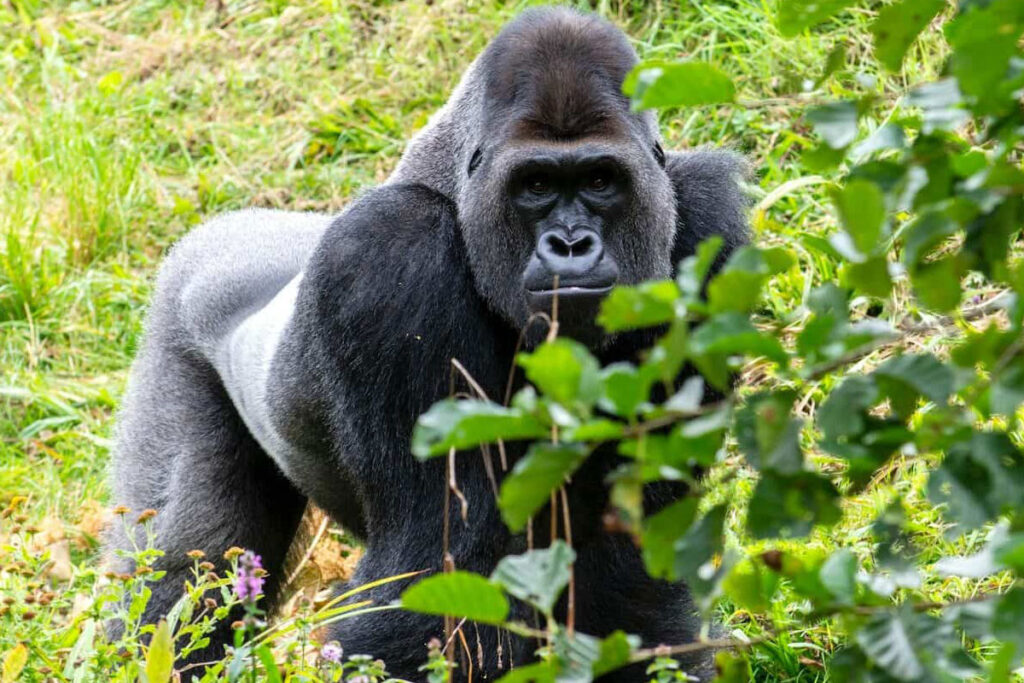
Why Kibale Forest National Park Is Africa’s Primate Capital.
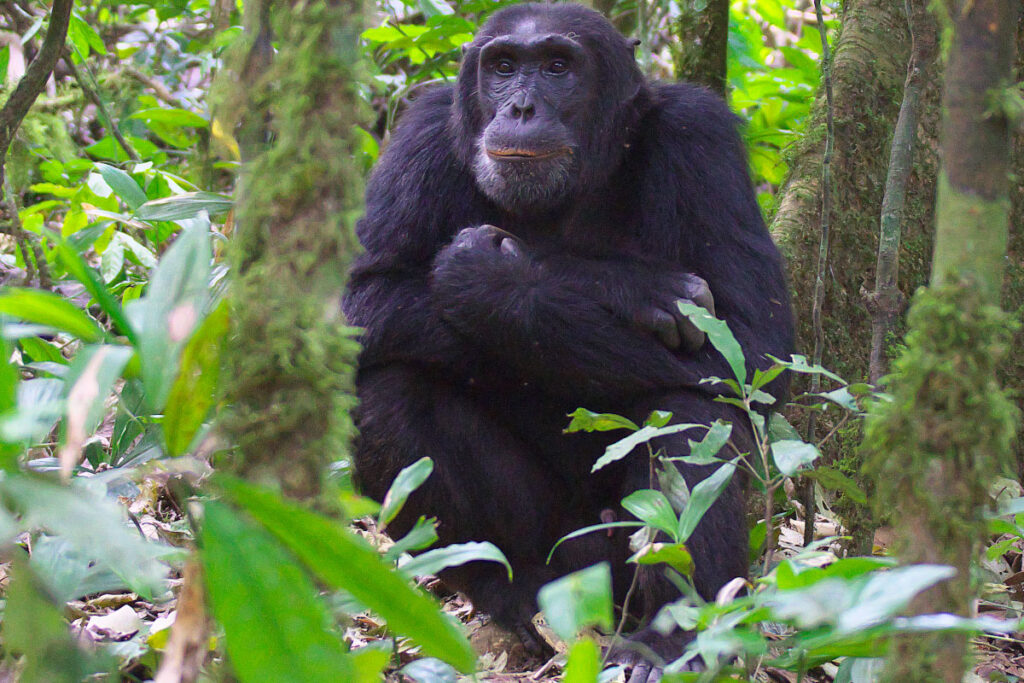
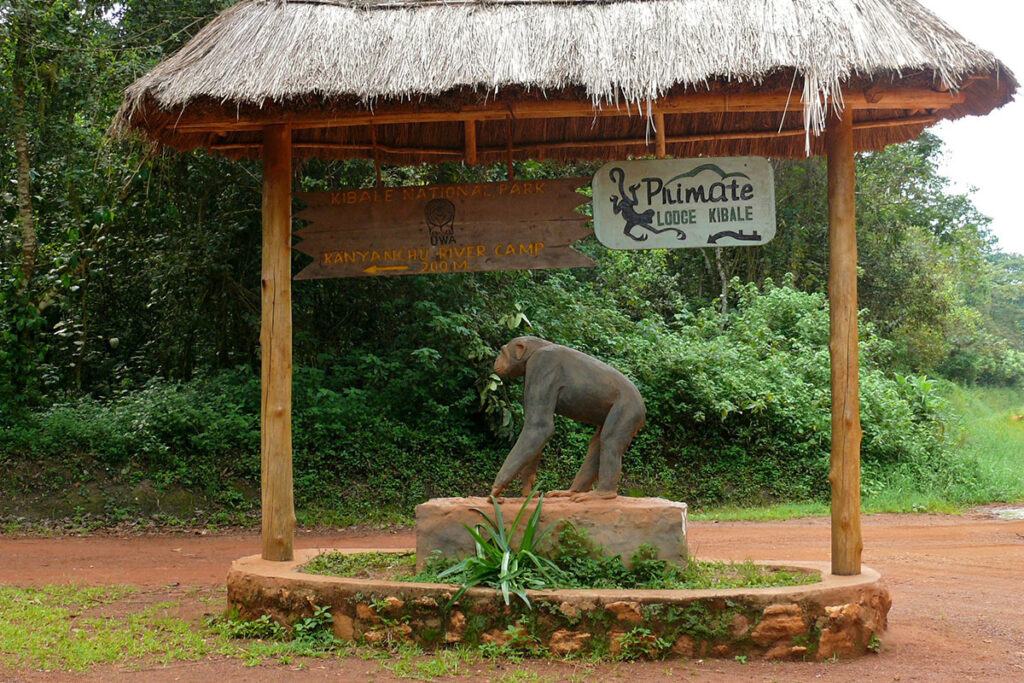
When it comes to primate experiences in Africa, few places rival the richness and diversity of Kibale National Park. Often referred to as Africa’s Primate Capital, Kibale Forest National Park stands out for its incredible concentration of primate species, accessible tracking experiences, and breathtaking rainforest environment.
But what exactly makes Kibale deserve this prestigious title? In this comprehensive guide, we explore the reasons why this Ugandan park is considered the ultimate destination for primate lovers and wildlife enthusiasts alike.
A Remarkable Diversity of Primate Species.
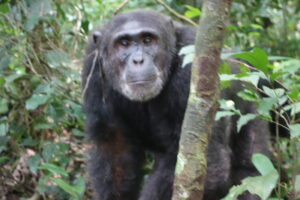
To begin with, Kibale Forest is home to one of the highest concentrations of primates in Africa. In fact, the park hosts 13 different primate species, making it one of the most biodiverse rainforest ecosystems on the continent.
Some of the most notable species include:
- Chimpanzees (the star attraction)
- Red colobus monkeys
- L’Hoest’s monkeys
- Grey-cheeked mangabeys
- Black-and-white colobus monkeys
- Olive baboons
- Vervet monkeys
Because of this diversity, visitors are almost guaranteed to encounter multiple primate species during a single visit. Consequently, Kibale offers a richer and more varied experience compared to many other parks.
The Best Place for Chimpanzee Tracking in Africa.
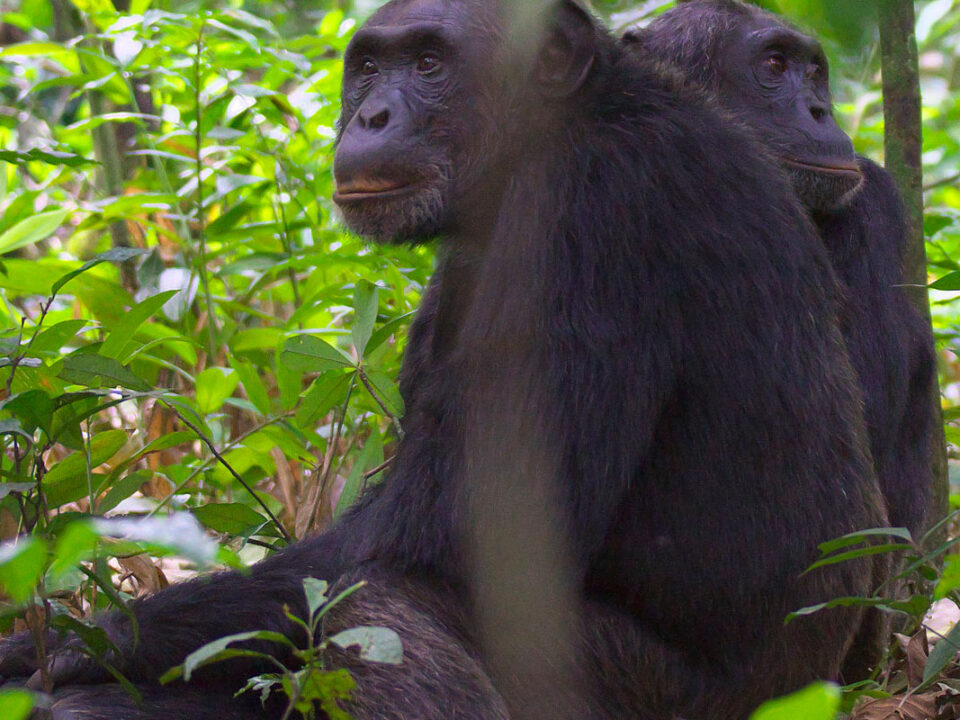
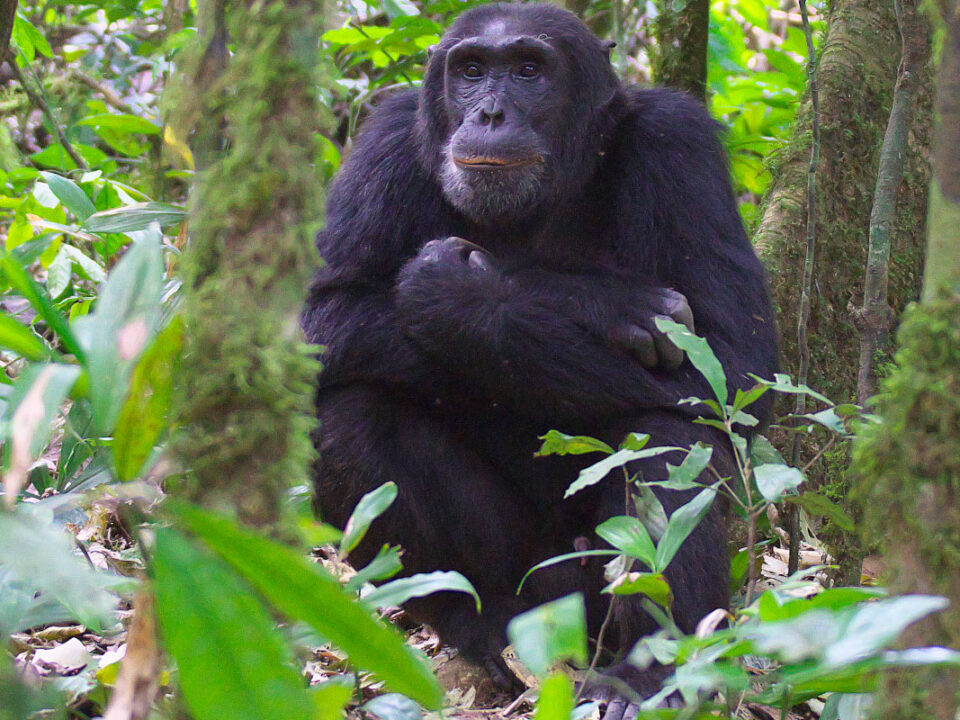
Another key reason why Kibale National Park is called Africa’s Primate Capital is its world class chimpanzee tracking experience.
Kibale is home to over 1,500 chimpanzees, and several groups are habituated for tourism. This means visitors can safely observe them in their natural environment while guided by experienced rangers.
What Makes Kibale Unique for Chimp Tracking?
- High success rate (over 90% chances of sightings)
- Well-maintained trails and experienced guides
- Opportunity for both standard tracking and extended habituation experiences
Moreover, the chimpanzee habituation experience allows visitors to spend more time with chimps, observing their behavior from dawn to dusk. As a result, this creates a deeper understanding of their social structure and daily life.
A Rich and Thriving Rainforest Ecosystem.
Beyond primates, Kibale’s ecosystem is exceptionally rich. The park features a mix of tropical rainforest, swamp, and grassland habitats, which support a wide range of wildlife.
For instance, the nearby Bigodi Wetland Sanctuary is a haven for bird lovers and nature enthusiasts. Here, visitors can spot rare birds, butterflies, and smaller primates in a peaceful community-managed environment.
Additionally, Kibale is home to forest elephants, bush pigs, and various antelope species. Although these animals are harder to spot, their presence contributes to the park’s ecological balance.
Easy Accessibility Compared to Other Primate Destinations.
Accessibility is another major factor that makes Kibale so popular. Unlike some remote national parks, Kibale is relatively easy to reach.
From Kampala, the journey takes about 5–6 hours by road. Alternatively, travelers can combine the visit with other nearby attractions such as:
- Queen Elizabeth National Park
- Rwenzori Mountains National Park
Because of this convenience, Kibale fits perfectly into a multi-destination safari itinerary.
High Success Rate and Year-Round Experiences.
One of the biggest advantages of visiting Kibale National Park is the consistency of wildlife sightings.
Unlike some parks where animal encounters can be unpredictable, Kibale offers:
- A high chance of seeing chimpanzees
- Frequent sightings of multiple monkey species
- Year-round accessibility
Even during the rainy season, primate tracking remains possible. In fact, the forest becomes even more vibrant and lush, enhancing the overall experience.
Cultural Encounters and Community Tourism.
Kibale is not just about wildlife; it also offers meaningful cultural experiences. The communities around the park actively participate in tourism, providing visitors with authentic insights into local life.
For example, the Bigodi community offers guided walks, traditional performances, and craft demonstrations. These activities not only enrich your visit but also support local livelihoods.
Therefore, a trip to Kibale becomes both an ecological and cultural journey.
Ideal for Both Budget and Luxury Travelers.
Another reason why Kibale stands out is its flexibility in catering to different travel budgets.
Budget Travelers
- Affordable lodges and guesthouses
- Group chimpanzee tracking options
- Community-based tourism experiences
Luxury Travelers
- High-end eco-lodges
- Private guided tours
- Premium forest experiences
Because of this range, Kibale attracts a diverse group of travelers from backpackers to luxury safari seekers.
Perfect Addition to Uganda Safaris.
Kibale is often combined with other top Ugandan destinations to create a well-rounded safari experience.
For instance, many travelers pair chimpanzee tracking in Kibale with gorilla trekking in Bwindi Impenetrable National Park. This combination offers the ultimate primate adventure.
Additionally, adding a wildlife safari in Queen Elizabeth National Park allows visitors to experience both forest and savannah ecosystems in one trip.
Conservation Efforts and Sustainable Tourism.
Kibale plays a crucial role in primate conservation. The park’s management, alongside organizations and local communities, works tirelessly to protect endangered species and their habitats.
Tourism revenue supports:
- Wildlife conservation programs
- Anti-poaching efforts
- Community development initiatives
As a result, every visit contributes to preserving this unique ecosystem for future generations.
A True Primate Paradise.
In conclusion, Kibale National Park truly earns its title as Africa’s Primate Capital. With its unmatched diversity of primates, exceptional chimpanzee tracking experiences, and rich rainforest environment, it offers something truly special.
Moreover, its accessibility, high success rates, and combination of wildlife and cultural experiences make it a must-visit destination in Uganda with Bamba safaris .
Whether you are a nature enthusiast, wildlife photographer, or adventure traveler, Kibale Forest promises an unforgettable journey into the heart of Africa’s primate world.