The Best Time for Gorilla Trekking in Uganda.

Gorilla and Chimpanzee Trekking in Uganda.
March 28, 2026
Luxury Gorilla Safari Uganda: Guide to Exclusive Adventure.
April 1, 2026
The Best Time for Gorilla Trekking in Uganda: A Complete Guide for Travelers.
The Best time for Gorilla trekking in Uganda is a once-in-a-lifetime adventure that brings you face to face with endangered mountain gorillas in their natural habitat. However, choosing the best time to go can make a significant difference in your overall experience. Weather conditions, trail accessibility, permit availability, and even photography opportunities all vary throughout the year.
In this comprehensive guide, you’ll discover the ideal seasons for gorilla trekking, what to expect each month, and how to plan your trip for the most rewarding experience possible.
Understanding Gorilla Trekking Seasons in Uganda.
Uganda experiences a tropical climate with two main seasons: dry seasons and wet (rainy) seasons. Each offers unique advantages, depending on your travel preferences and expectations.
The two primary trekking destinations Bwindi Impenetrable National Park and Mgahinga Gorilla National Park are located in southwestern Uganda, where weather patterns are fairly similar.
Dry Season: The Best Time for Gorilla Trekking.
When It Happens
- June to September
- December to February
Why It’s the Best Time.
The dry season is widely considered the best time for gorilla trekking in Uganda, and for good reason.

First, the trekking trails are much easier to navigate. Because there is less rainfall, paths are drier, less slippery, and safer especially for first-time trekkers. As a result, hikes tend to be more enjoyable and less physically demanding.
Additionally, visibility in the forest is better. Thinner vegetation and clearer skies improve your chances of capturing excellent photographs. This is particularly important if you want high quality wildlife shots without obstruction.
Moreover, the dry season coincides with peak tourism months. Therefore, you can expect a lively atmosphere and well-organized trekking schedules.
Things to Consider
However, peak season comes with higher demand. Gorilla trekking permits issued by the Uganda Wildlife Authority often sell out quickly. Consequently, you should book at least 3 to 6 months in advance.
Accommodation prices may also rise due to increased demand. Nevertheless, the overall experience is often worth the extra cost.
Wet Season: A Hidden Gem for Budget Travelers.
When It Happens.
- March to May
- October to November
Why You Should Consider It.
Although many travelers avoid the rainy season, it can actually be a fantastic time for gorilla trekking especially for those seeking fewer crowds and lower costs.
To begin with, the forests are incredibly lush and vibrant. The rain transforms the landscape into a rich green paradise, creating stunning scenery that many photographers love.
In addition, gorilla permits are often easier to secure. Some lodges even offer discounted rates, making this season ideal for budget conscious travelers.
Another advantage is that gorillas tend to stay closer to lower slopes where food is abundant. This can sometimes result in shorter trekking times, which is a big plus.
Challenges to Expect.
On the other hand, the trails can be muddy and slippery, making trekking more physically demanding. Rain showers may occur at any time, so proper gear is essential.
Even so, with the right preparation, the experience remains just as magical.
Month-by-Month Breakdown.
To help you plan better, here’s a quick overview of what to expect throughout the year:
January_February.
These are dry months with excellent trekking conditions. Trails are manageable, and wildlife viewing is superb.
March_May.
This is the long rainy season. While trekking becomes more challenging, you’ll enjoy fewer crowds and discounted safari packages.
June _September.
Peak trekking season. Conditions are ideal, making this the most popular time for visitors.
October_November
Short rains return, but they are less intense than earlier in the year. This is a good balance between affordability and manageable conditions.
December
A festive and popular travel month with favorable weather and high demand.
Best Time for Gorilla Trekking Based on Travel Goals.
1. For Easy Hiking and Comfort.
Choose the dry season. Trails are safer, and the experience is more relaxed.
2. For Budget Travelers.
Opt for the wet season. You’ll find better deals on permits and accommodation.
3. For Photography Enthusiasts.
Both seasons have benefits. Dry season offers clear shots, while wet season provides dramatic, lush backgrounds.
4. For Fewer Crowds.
Rainy months are your best bet. You’ll enjoy a more intimate experience with nature.
How Weather Affects Gorilla Trekking.
Weather plays a crucial role in shaping your trekking experience. However, it’s important to note that gorilla trekking is possible all year round.
Rain can make trails more difficult, but it rarely cancels treks. In fact, many travelers find that the mist and light rain add a mystical atmosphere to the forest.
Temperatures in gorilla habitats remain fairly consistent, typically ranging between 10°C and 25°C. Therefore, layering your clothing is key.
What to Pack Depending on the Season.
Regardless of when you travel, packing appropriately ensures a smooth experience.
Essential Items.
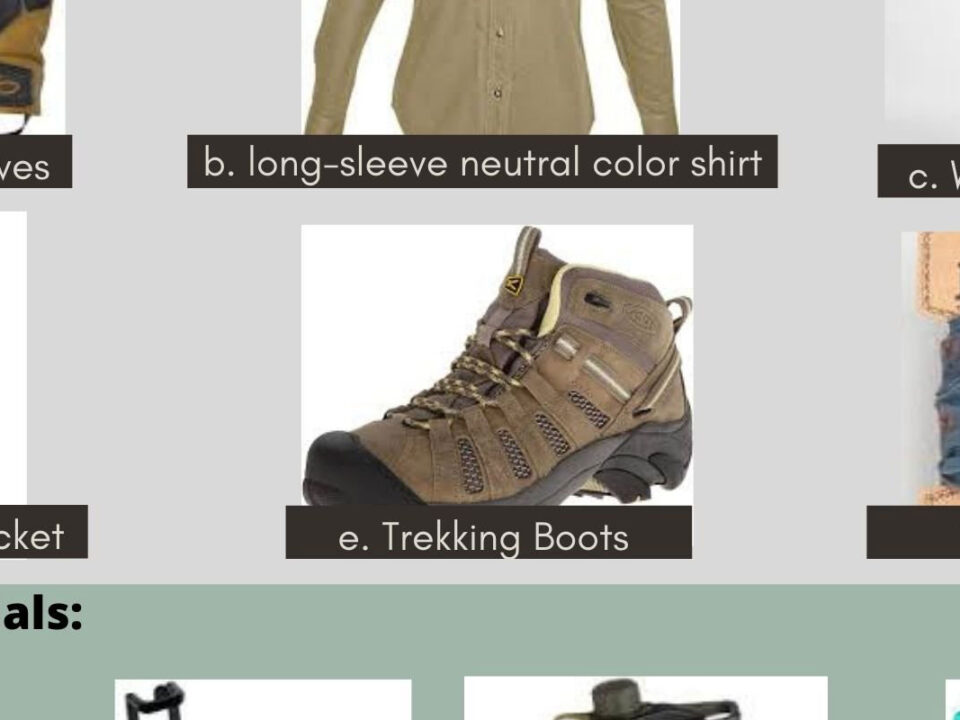
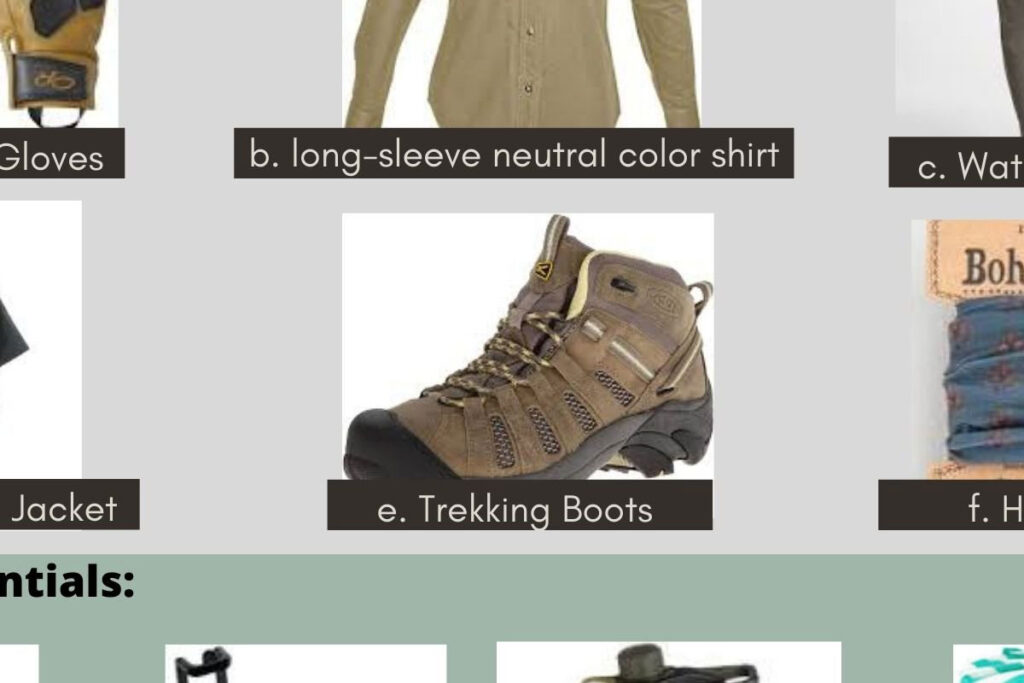
- Waterproof hiking boots
- Long-sleeved shirts and trousers
- Rain jacket (especially in wet season)
- Gardening gloves
- Insect repellent
- Drinking water and snacks
During the rainy season, waterproof gear becomes even more critical.
Combining Gorilla Trekking with Other Activities.
Timing your gorilla trek can also affect other safari experiences. For example:
- Game drives in Queen Elizabeth National Park are best during dry months when animals gather around water sources.
- Chimpanzee tracking in Kibale National Park is possible year-round but easier in drier conditions.
Therefore, aligning your itinerary with favorable weather enhances your overall safari.
Travel Tips for First Time Visitors.
To make the most of your gorilla trekking adventure:
- Book your permits early, especially for peak season
- Choose accommodation close to your trekking sector
- Hire a porter for support on steep trails
- Follow all guidelines provided by park rangers
- Stay flexible nature is unpredictable
When Should You Go?
Ultimately, the best time for gorilla trekking in Uganda depends on your priorities.
If you value comfort, ease, and clear conditions, the dry season is your best choice. On the other hand, if you prefer fewer crowds and lower costs, the wet season offers incredible value and equally memorable experiences.
No matter when you visit Bwindi Impenetrable National Park or Mgahinga Gorilla National Park, one thing is certain you’ll leave with unforgettable memories of standing among the gentle giants of the forest.
Plan Your Gorilla Trekking Safari with Confidence.
At Bamba Safaris, we specialize in creating personalized gorilla trekking experiences tailored to your travel goals. Whether you’re visiting in peak season or exploring during the quieter months, we ensure a seamless, safe, and enriching journey.
Now that you know the best time to go, the next step is simple start planning your gorilla trekking safari in Uganda today and experience the magic for yourself.